
 Updated 14/08/2026
Read Time 8 mins
Updated 14/08/2026
Read Time 8 mins

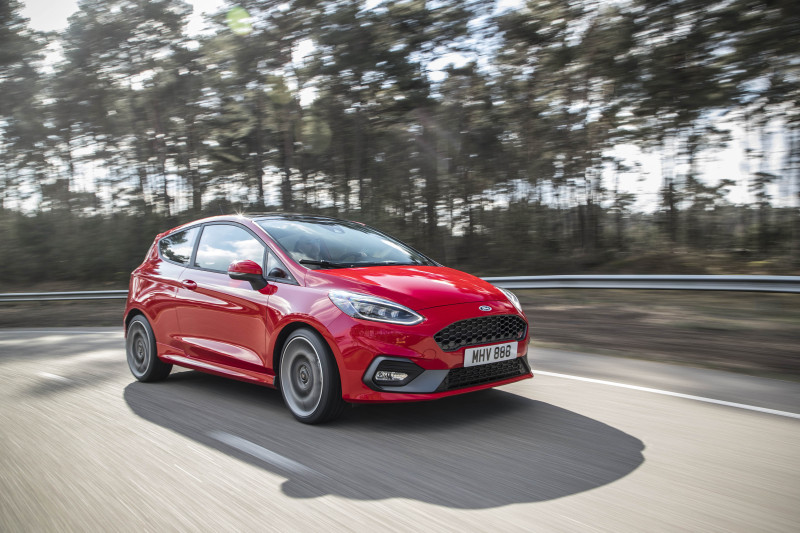
The Ford Fiesta is a great option for all types of drivers. Whether you’re a first-time motorist who has just ripped up their L-plates or a more seasoned driver looking for a no-frills runabout, the Fiesta is the kind of car that can fit into all types of scenarios. Find a car built between 2008 and 2017 and it could prove very cheap to tax, too. Opt for a diesel-powered model made during this period and, because of its low emissions, it could cost as little as £35 to tax for the entire year. Couple exceptional fuel efficiency, and the Fiesta will make for a very cost-effective way of getting about.
While in previous years there were some cars which qualified for free road tax, a shake-up of the rules in 2024 means that it’s only a very small number of vehicles that this applies to. These include historic vehicles over 40 years old and vehicles used by a disabled person, or cars which are used by organisations providing transport for disabled people. However, opting for a used car made before 2017 can be a great way to get a car with a very low rate of tax.
There might be more of these cars to choose from than you might expect. Let’s take a look at them.
1. Ford Fiesta
Pros
- Sharp, enjoyable handling
- Low everyday running costs
- Easy to drive and park
Cons
- Smaller boot than key rivals
- Rear cabin feels fairly tight
- Wet-belt engines need careful checks
2. Hyundai i10
Pros
- Spacious and comfortable cabin
- Strong build quality
- Low everyday running costs
Cons
- Base engines feel underpowered
- Noisy at motorway speeds
- Less engaging than key rivals
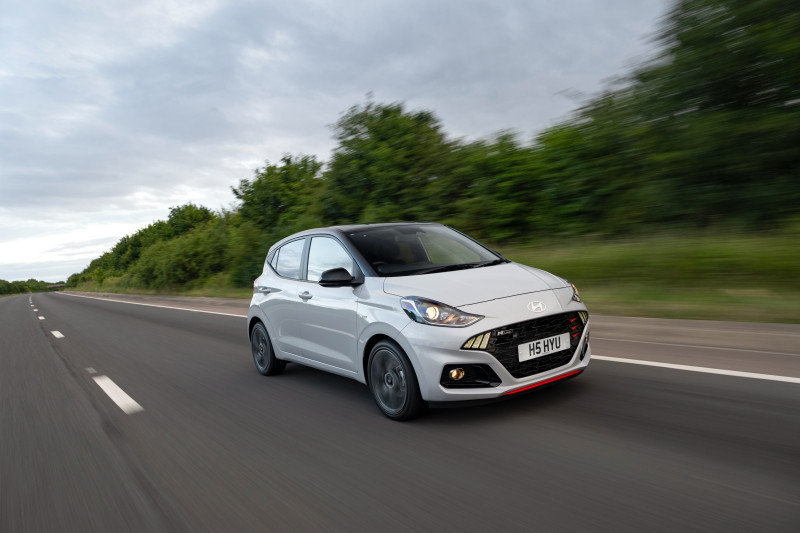
In a similar vein to the Fiesta, Hyundai’s i10 is a compact car which excels in its user-friendliness. In typical Hyundai fashion, it’s very solidly made and has a great reputation for reliability, too, so when kept properly maintained, it’s a car that’ll go on and on. Go for a super-efficient 1.0 SE Blue model from early 2017 and it’ll cost just £20 to tax for the year, while other models within the range will incur a £35 tax cost for the year. Despite being frugal, the i10 is still great fun to drive, too.
3. Volkswagen Golf
Pros
- Smooth, comfortable ride
- Smart, upmarket interior
- Broad choice of efficient engines
Cons
- Costs more than some rivals
- Cabin could be more spacious
- Reliability record is mixed
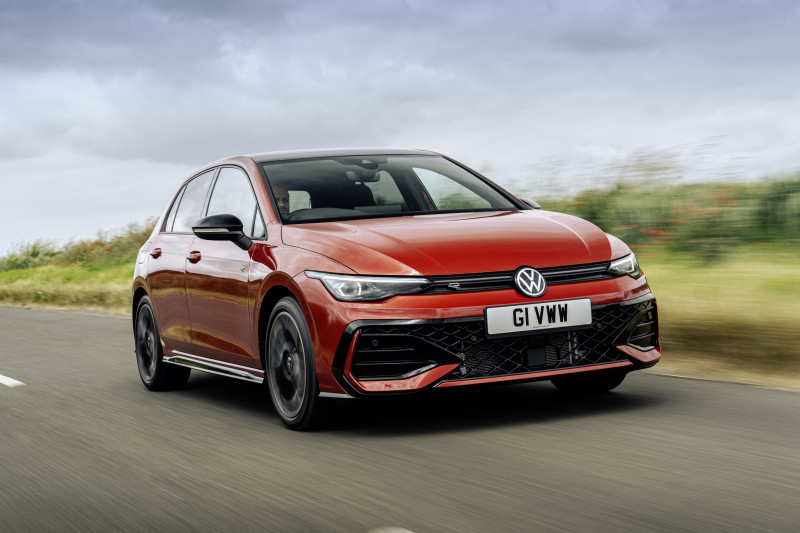
Made between 2013 and 2020, the seventh-generation Golf is seen as one of the best versions of this practical hatchback to date. With good dynamics and a smart-looking interior, the Golf is great for all types of drivers and thanks to its great refinement, it’ll handle long-distance trips easily too. Find a Golf made between 2013 and 2017 and many examples will cost just £20 to tax for the year. However, many examples made during this period will still only cost £35 in annual tax, including some of the punchier diesel models.
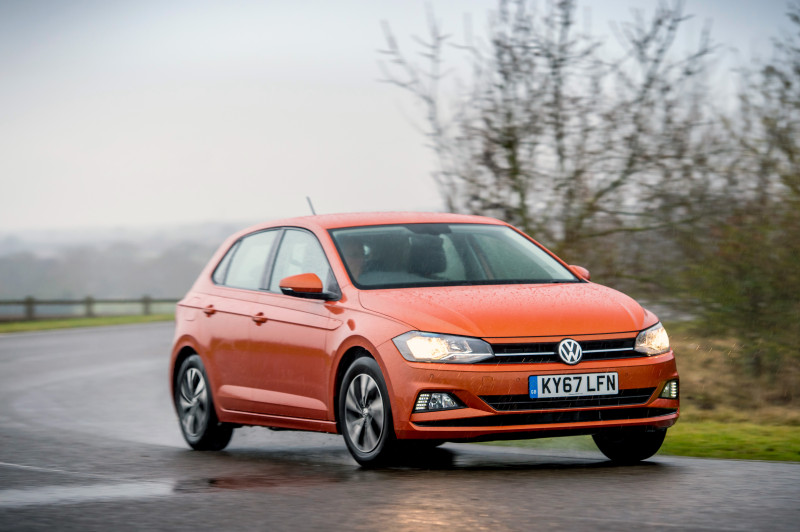
4. Volkswagen Polo
Pros
- Mature, comfortable driving experience
- Solid, well-finished cabin
- Wide choice of efficient engines
Cons
- Pricier than many supermini rivals
- Diesel engines can sound gruff
- Performance is often fairly leisurely
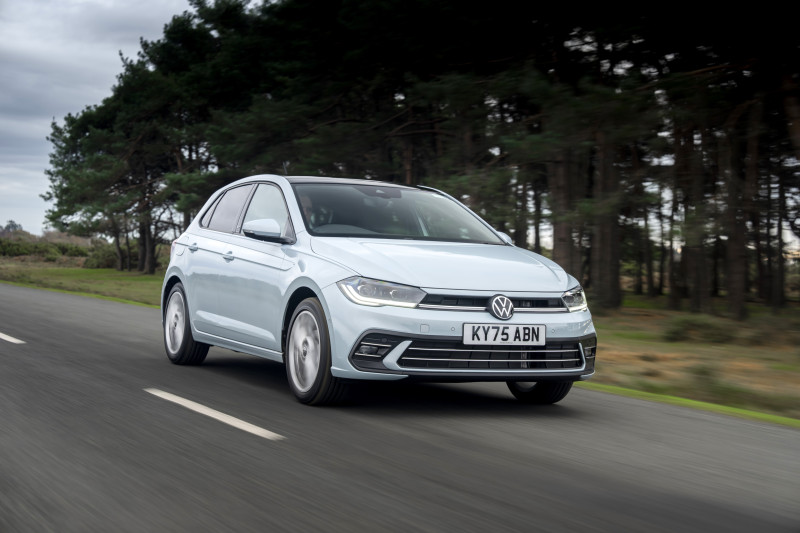
If you fancy something a little smaller, then consider the Volkswagen Polo. It’s got a lot of the same great traits as the Golf, but is more compact and, as a result, easier to live with - particularly if you’re short on space. Like the Golf, the Polo can also prove to be inexpensive to run providing you choose a model built before 2017.
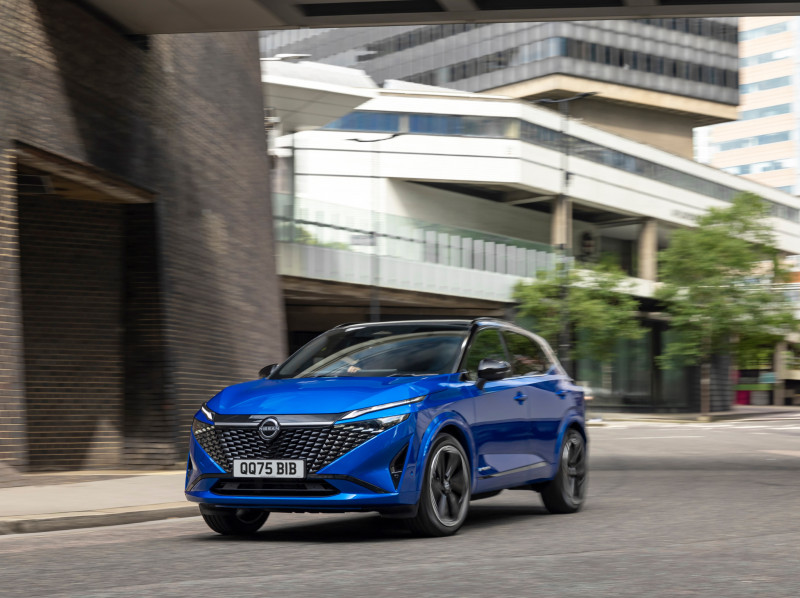
5. Nissan Qashqai
Pros
- Strong fuel economy
- Refined, easy driving experience
- Spacious, well-finished interior
Cons
- Reliability trails several key rivals
- Ride can feel slightly fidgety
- Minor switchgear quality niggles
Want a family-focused crossover with loads of space and practicality? One of the main contenders in this area has always been the Nissan Qashqai, which remains a popular option for families looking for a reliable way to get around. The Qashqai is also great to drive with decent handling which ensures the person behind the wheel will have a great time, too. Qashqai models made from 2017 will cost upwards of £195 to tax, which still isn’t bad considering the size of the vehicle. However, opt for a version made before 2017, and you could be looking at an annual tax payment of just £20, making the Qashqai great value overall.
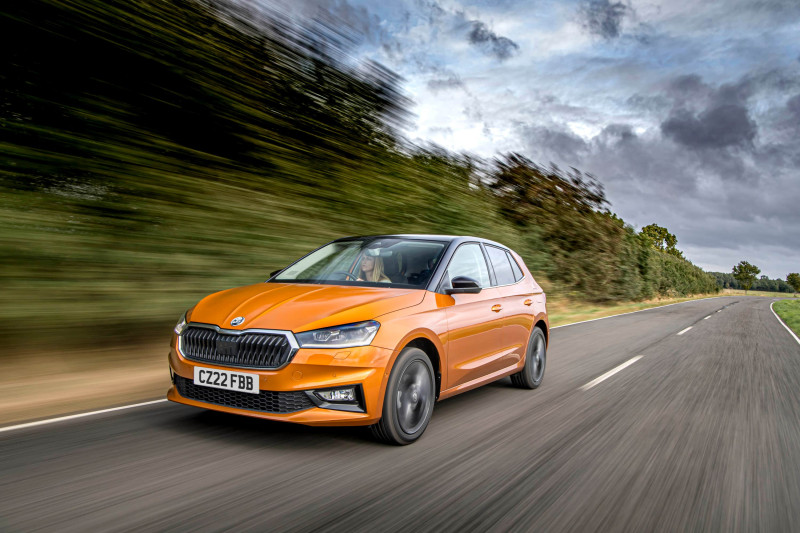
6. Skoda Fabia
Pros
- Spacious cabin and large boot
- Cheap to run and maintain
- Comfortable, composed ride
Cons
- Basic models lack useful equipment
- Entry engines feel underpowered
- Cabin noise rises at speed
The Skoda Fabia brings a combination of spaciousness and robust build quality that helps to make it a very appealing option. In usual Skoda fashion, the Fabia is a no-frills affair, but there are lots of nice materials inside to help lift the overall feeling of quality. Models made after 2017 will cost the usual flat rate of £195 to tax for the year, though versions made before 2017 can be taxed for as little as £20 if you pick a particularly low-emitting model. The Fabia is also well-known for its reliability and when well maintained, this is another car which should prove to be very robust mechanically.
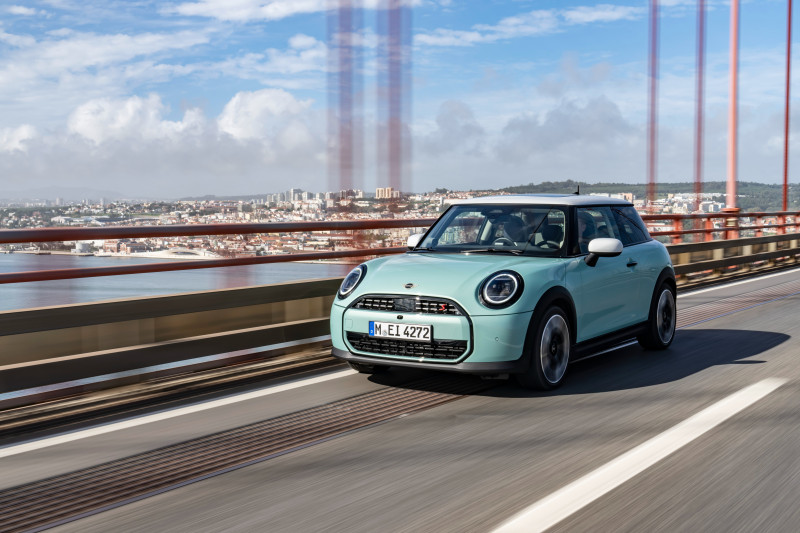
7. Mini Hatch
Pros
- Agile and enjoyable to drive
- Smart, high-quality interior
- Strong used-car reliability record
Cons
- Firm ride on rough roads
- Less practical than key rivals
- Used prices remain relatively high
Want a little bit of style to go with that low rate of tax? That’s where the Mini Hatch comes into play. Popular for its retro-infused look and smart, BMW-sourced cabin the Mini remains a sought-after model to this day, while second-hand examples traditionally hold their values for longer than many key rivals can. Opt for a car made before 2017 - such as the diesel Cooper D - and you’ll find that a year’s tax could cost as little as £20. Even more powerful versions will still only incur a £35 yearly tax charge, making this into a stylish way to pay less road tax.
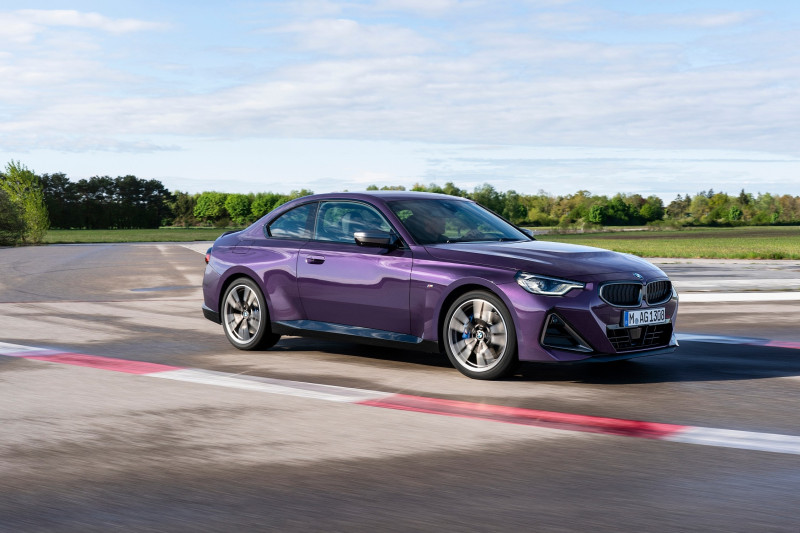
8. BMW 2 Series
Pros
- Balanced rear-wheel-drive handling
- Strong performance and economy
- Appealing, driver-focused interior
Cons
- Diesel engines lack refinement
- Standard equipment can feel sparse
- Options can be expensive
The BMW 2 Series doesn’t seem like the kind of car that would qualify for low rates of tax, but 218d and 220d models made before April 1, 2017 buck the trend. In fact, you’ll pay just £20 or £35 respectively for these cars thanks to their low emissions. The 2 Series also has a great coupe design which still looks fresh today while inside it’s got all of the premium features and materials that you’d expect from a BMW. It’s great to drive, too, with sharp handling and steering which feels a cut above the rest.
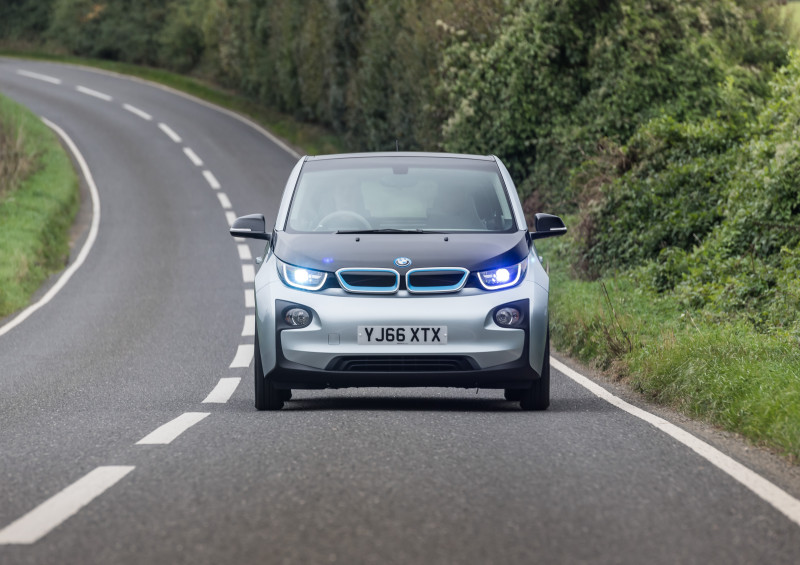
9. BMW i3
Pros
- Quick, responsive urban performance
- Distinctive, high-quality cabin
- Compact and easy to manoeuvre
Cons
- Early models have limited range
- Rear doors are awkward
- Ride can feel unsettled
Though electric models no longer qualify for road tax, they do get a very low rate. Take the BMW i3, for instance, which was an iconic EV thanks to its clever rear-hinged back doors and space-age interior. The i3 still looks great today, in fact, and if you get a model made before April 1, 2017, it’ll cost just £20 to tax for the year. The interior of the i3 still feels fresh today thanks to its large infotainment system and clever gearstalk which is mounted up on the steering wheel rather than between the front seats to help boost space. If you look at the sills inside the car, too, you’ll see some of the carbon fibre that the i3 is made from, too.
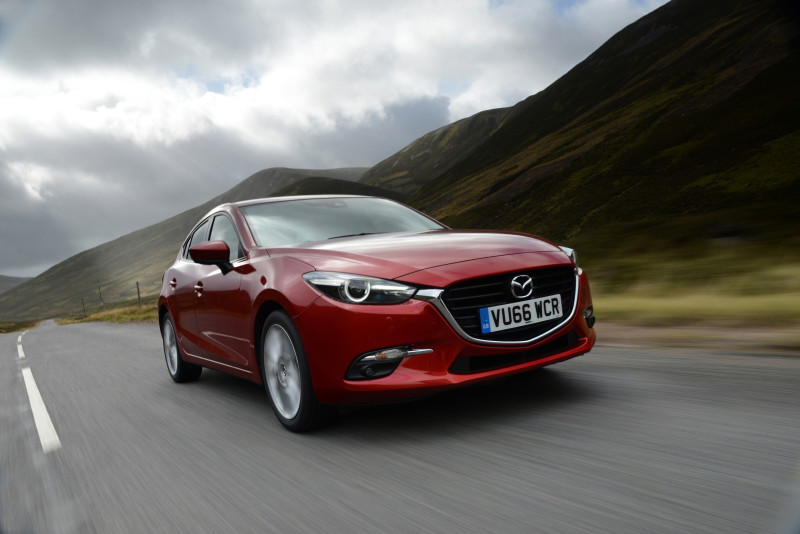
10. Mazda 3
Pros
- Sharp, balanced handling
- Efficient petrol and diesel engines
- Well-designed, quality interior
Cons
- Firm ride on larger wheels
- Rear visibility is restricted
- Diesels dislike repeated short trips
Mazda is well-known for making cars which deliver incredible efficiency and the 3 is no different. While it may not be as recognisable as something like a Volkswagen Golf, the 3 offers great driving dynamics which make it a lot of fun to pilot. It’s well-made inside, too, and has a reasonable amount of boot space to offer. Those cars made before 2017 will prove cheap to tax, too. In fact, 1.5- and 2.2-litre diesel models will cost just £20 to tax for a whole year, while even more powerful 2.0-litre petrol cars will still only incur a £35 yearly tax cost.


