
 Updated 23/07/2026
Read Time 5 mins
Updated 23/07/2026
Read Time 5 mins

On the surface, SUVs and crossovers can look very similar. Both usually offer a higher driving position, practical interiors and family-friendly versatility. Look a little closer, though, and the difference in how they are built can affect how they feel to drive, how much space they offer, and how well they cope with tougher jobs.
This guide explains the key differences between SUVs and crossovers, what each type of car is best suited to and how to decide which one could work better for your lifestyle. You can also use AA Cars to search by body style, make, model, fuel type, transmission and budget when you are ready to compare used cars.
What is an SUV?
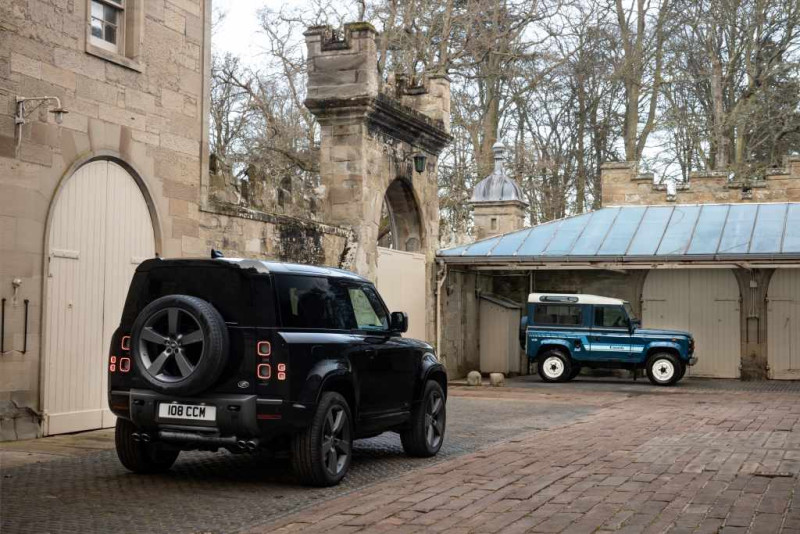
SUV stands for Sport Utility Vehicle. Traditionally, an SUV is a larger car built with strength, practicality and off-road-style capability in mind. Many classic SUVs use a body-on-frame construction, where a separate body is mounted onto a dedicated chassis or frame. This is similar in principle to the way some pickup trucks are built.
That robust construction helps explain why SUVs have long been associated with towing, rougher terrain and a more commanding presence on the road. They often have higher ground clearance, a taller body shape and a higher driving position, which can give drivers a clearer view of the road ahead.
Modern SUVs are often far more refined and family-focused than older, more utilitarian models. Many are designed for everyday driving as much as weekend trips, and some larger models offer seven seats for extra practicality. Even if most drivers will not use their full off-road ability, SUVs remain popular with people who want space, strength and a reassuring driving position.
What is a crossover?
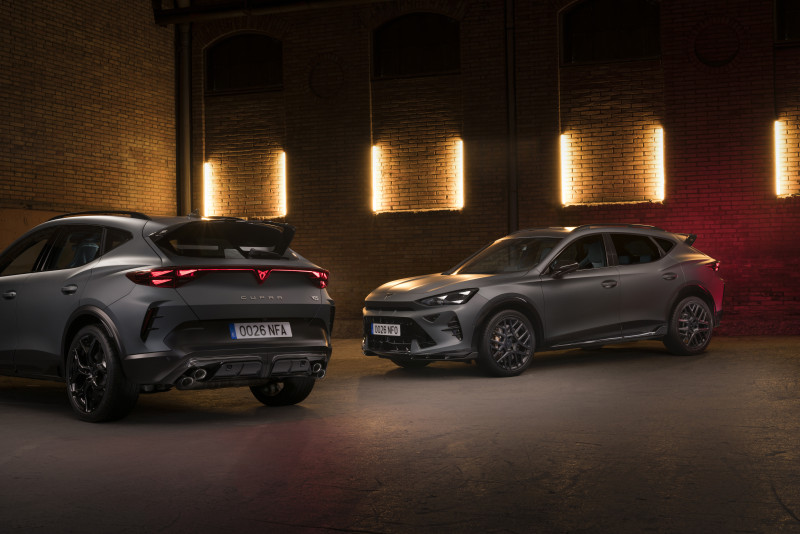
A crossover is usually built on a unibody platform, where the body and chassis are integrated into one structure. In simple terms, many crossovers are closely related to regular passenger cars such as hatchbacks, but with a taller stance, extra visibility and more SUV-inspired styling.
This construction can make crossovers lighter and easier to drive than traditional SUVs. Most crossovers are designed to prioritise everyday comfort, quiet cabins, efficient motoring and manageable running costs. Many come with front-wheel drive as standard, although some models may offer four-wheel drive or all-wheel drive depending on specification.
Crossovers are popular with families, commuters and drivers who want more space and a higher driving position without moving into a larger, more rugged SUV. They can range from compact models that work well in towns and cities through to larger options with more passenger and boot space.
SUV vs Crossover: the key difference
The main difference between an SUV and a crossover is how the car is built. That construction then influences almost every part of the ownership experience, from ride comfort and fuel economy to towing strength and off-road capability.
| Feature | SUV | Crossover |
|---|---|---|
| Construction | Traditionally body-on-frame, although modern SUV designs vary. | Usually unibody, with body and chassis integrated. |
| Driving feel | Often larger, heavier and more commanding. | Usually more car-like, lighter and easier to manoeuvre. |
| Best suited to | Towing, rougher terrain, bigger loads and extra passenger space. | Commuting, school runs, urban driving and everyday family use. |
| Strengths | Space, ground clearance, towing ability and rugged capability. | Comfort, efficiency, easier parking and lower everyday running costs. |
| Things to consider | May cost more to run and can feel less agile in town. | May not match an SUV for towing or challenging terrain. |
In a traditional SUV, the stronger body-on-frame design is better suited to demanding use, including towing and driving away from smooth tarmac. SUVs also tend to offer more ground clearance, sturdier suspension and a more rugged character.
A crossover takes a different approach. Because it is usually based on a unibody structure, it tends to feel more like a conventional car. That can make it smoother, quieter and easier to drive, especially in city traffic or on regular commutes. For many drivers, a crossover gives them the raised driving position and practicality they want without the size or running costs of a larger SUV.
Is a crossover better than an SUV?
Neither type of car is automatically better. The right choice depends on how and where you drive.
A crossover may be the better fit if most of your driving involves commuting, school runs, shopping trips and town or city roads. Its lighter, more car-like structure can make it easier to park and more comfortable in everyday traffic. Crossovers can also be a sensible choice if you want a practical family car but do not need serious towing ability or off-road performance.
An SUV may be the better option if your lifestyle involves towing trailers, carrying lots of passengers, taking regular long trips with bulky luggage or driving on rough, uneven or unpaved roads. Larger SUVs can also offer generous cabin space, which may be useful for bigger families or drivers who regularly carry sports kit, pushchairs, pets or other bulky items.
How to choose between an SUV and a crossover
Before choosing between an SUV and a crossover, think about the way the car will fit into your everyday life. The questions below can help narrow down your search:
- Do you mainly drive in towns, cities or on motorways?
- Do you need seven seats, or is a five-seat car enough?
- Will you tow a trailer, caravan or heavy load?
- How important are fuel costs, insurance and maintenance?
- Do you need four-wheel drive, or will front-wheel drive suit your driving?
- How much boot space do you need for family trips, luggage or work equipment?
- Will the car need to fit comfortably into tight parking spaces?
If efficiency, comfort and everyday usability are your biggest priorities, a crossover could be the stronger choice. If you want extra strength, more space and greater capability on tougher surfaces, an SUV is likely to make more sense.
Which used SUV or crossover models should I consider?
Once you have decided which body style suits you, there are plenty of used cars to compare. In the crossover market, examples such as the Ford Puma, Nissan Juke, Renault Captur, Skoda Kamiq, Lexus LBX and Volkswagen T-Cross are often considered by drivers who want a compact, practical car with a raised driving position.
For buyers looking at SUVs, the choice ranges from more affordable, no-frills models such as the Dacia Bigster to larger and more premium options such as the Range Rover, BMW X5 and Bentley Bentayga. The best model for you will depend on budget, running costs, space requirements, fuel type, transmission and how much capability you genuinely need.
So, which one should you choose?
Choose a crossover if you want a practical, comfortable and easy-to-drive car for everyday use. It will usually suit commuting, school runs and family life without feeling too large or costly to run.
Choose an SUV if you need more space, more strength or more capability. It is likely to be the better fit for towing, rougher roads, larger families or drivers who regularly carry heavy or bulky loads.
Both types of car can make sense. The best choice is the one that matches your driving habits, budget and lifestyle, not simply the one that looks bigger or more rugged.
AA Cars lets you search used cars by make, model, body style, fuel type, transmission, location and price. You can also read our expert reviews, compare cars, contact dealers and look for vehicles from AA approved dealers, helping you buy with more confidence.


