
 Updated 03/09/2026
Read Time 6 mins
Updated 03/09/2026
Read Time 6 mins

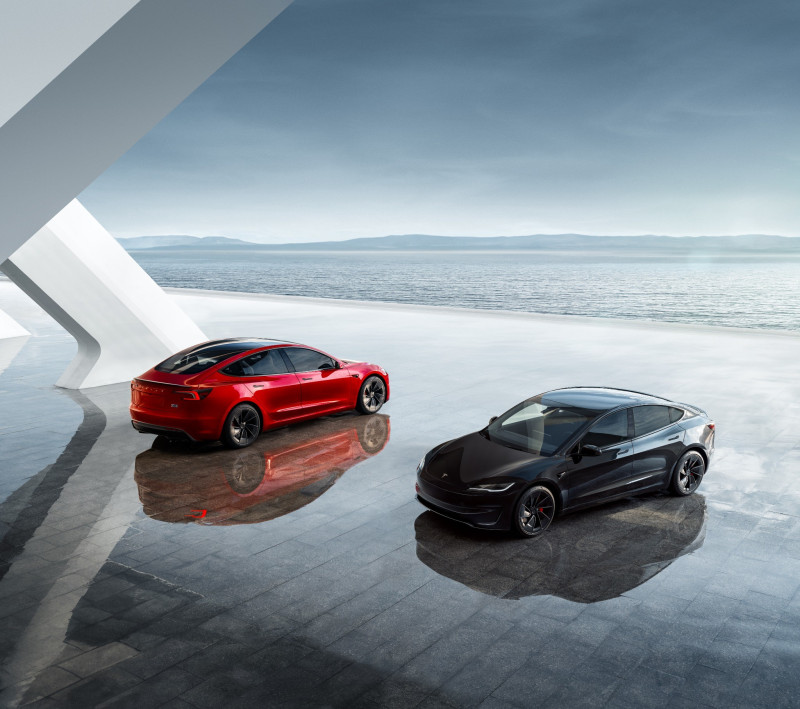
The Model 3 gives buyers a lower, more traditional saloon shape with strong range and performance potential. The Model Y takes much of the same Tesla engineering and adds the practicality and higher driving position of an SUV-style crossover.
Both remain popular choices in the UK used electric car market. They share a lot of technology, but they suit slightly different drivers. This guide compares price, design, practicality, driving experience, range, charging and everyday usability to help you decide which Tesla fits your lifestyle.
Tesla Model 3 vs Model Y at a glance
| Category | Tesla Model 3 | Tesla Model Y |
|---|---|---|
| Best for | Long-distance commuting, efficiency and a lower driving position | Family use, extra boot space and SUV-style practicality |
| Body style | Compact executive electric saloon | Electric SUV-style crossover |
| Boot space | 594 litres, plus 88-litre frunk | 822 litres, rising to around 2,022 litres, plus 116-litre frunk |
| Range focus | Stronger WLTP range potential, up to 466 miles in the original article | Still strong, up to 387 miles in the original article |
| Driving feel | Lower, lighter and more agile | Comfortable, practical and composed |
| Best choice if | You value efficiency, performance and a sleeker shape | You need more space for family life, luggage or pets |
Price and availability
Tesla pricing can change quickly, with figures often adjusted depending on demand, stock and specification. At the time of writing, the original article states that the Model 3 starts at around £39,990 for the rear-wheel-drive standard range variant in the UK, with up to 323 miles of WLTP range. It also notes a Long Range rear-wheel-drive model with up to 466 miles of WLTP range and a Performance model with strong acceleration and up to 354 miles of WLTP range.
The Model Y line-up sits slightly higher in price. The original article states that the Standard model starts from around £41,990 with up to 314 miles of WLTP range, while the Premium Long Range rear-wheel-drive version is priced from around £48,990 with up to 387 miles of WLTP range. All-wheel-drive and Performance versions usually cost more.
For used buyers, both models are widely available. The Model 3 will usually be the more affordable route into Tesla ownership, while the Model Y tends to command higher prices because it offers more family-friendly space and SUV-style practicality.
Design and styling
The Tesla Model 3 is the smaller and sleeker of the two. It has a compact executive saloon shape, a low roofline and a smooth aerodynamic profile designed to maximise efficiency. Its proportions make it feel more like a conventional car, and it will appeal to drivers who prefer a lower driving position and a more understated look.
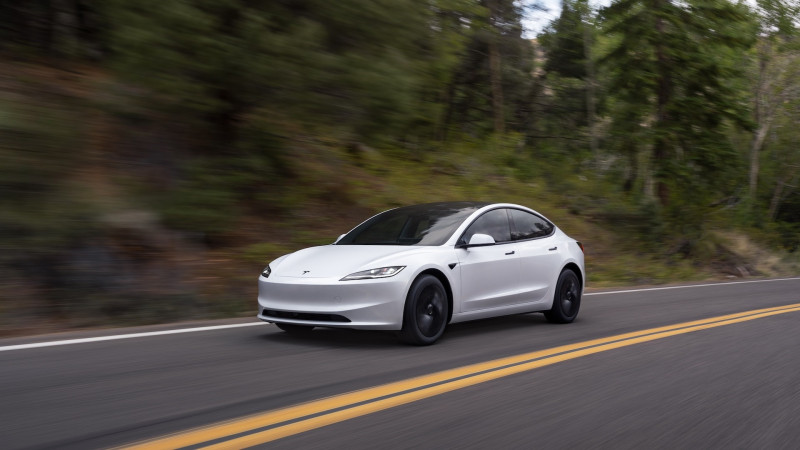
The Model Y uses the same basic approach, but wraps it in a taller SUV-style body. It sits higher from the road, has a more upright stance and gives the driver a more commanding view ahead. It is easier to get in and out of, which can make a real difference if you regularly carry children, pets or bulky items.
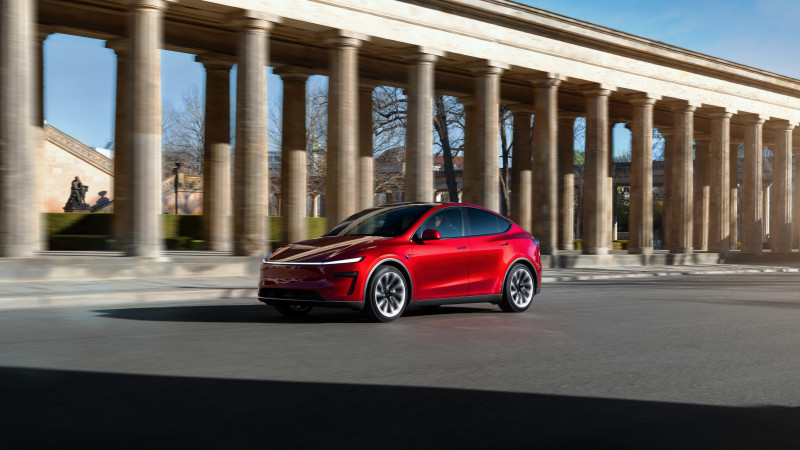
Both cars have a minimalist Tesla identity, with clean exterior surfaces and a simple interior layout. The recent updates referenced in the original article brought cleaner exterior styling, revised lighting and a more polished cabin feel, helping both models feel more current.
Interior, comfort and practicality
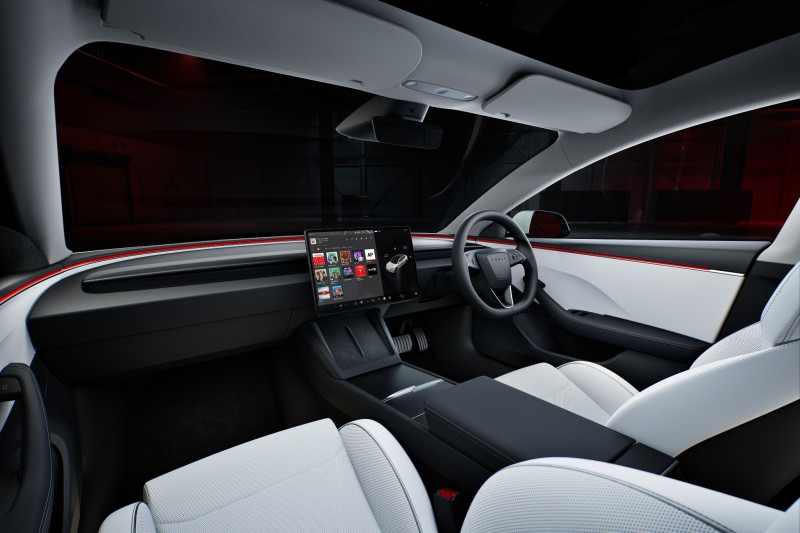
All Tesla models are known for roomy cabins and a simple dashboard dominated by a central touchscreen. The Model 3 feels spacious for a saloon, with good visibility, a light cabin and useful storage. It is more practical than its shape might suggest, with 594 litres of boot space and an additional 88-litre front boot, often called a frunk.
The Model Y is comfortably the more practical car. Its taller roofline, larger tailgate opening and longer wheelbase make it better suited to family life. The original article states that the Model Y offers 822 litres of boot space behind the rear seats, rising to around 2,022 litres with the rear seats folded. It also has a larger front boot of roughly 116 litres.
Rear-seat passengers are likely to be more comfortable in the Model Y, especially adults. The taller cabin gives more headroom, while many versions also include an 8-inch rear touchscreen for media and entertainment. The Model 3 is still usable for families, but the Model Y is the stronger option if space is one of your main priorities.
Technology and infotainment
Both cars are built around Tesla’s central touchscreen. It controls most of the car’s main functions, from climate settings and navigation to media, charging information and vehicle settings. The system takes some getting used to, especially if you are coming from a car with more physical controls, but it is a key part of the Tesla experience.
The Model 3 and Model Y both offer the same broad technology-led approach, including connected services, over-the-air software updates and access to Tesla’s charging information through the car’s navigation system. The Model Y has the edge for passengers where fitted with the rear screen, while the Model 3 feels slightly more driver-focused because of its lower seating position and saloon layout.
Driving experience and performance
Because the Model 3 and Model Y share much of their platform and electric powertrain technology, they feel broadly similar in everyday driving. Both deliver instant electric response, smooth acceleration and a quiet cabin at cruising speeds.
The Model 3 is the more engaging car to drive. Its lighter, lower stance gives it a sharper feel on country roads, and the Performance version can accelerate from 0 to 60mph in around 2.9 seconds, according to the original article. It feels more agile than the Model Y and is better suited to drivers who value efficiency and performance over maximum practicality.
The Model Y is still quick, especially in Performance form, where the original article quotes a 0 to 60mph time of about 3.3 seconds. It does not feel quite as agile as the Model 3 because it is taller and heavier, but it remains composed, easy to drive and well suited to family use.
Neither car feels as naturally communicative as some driver-focused rivals from brands such as BMW or Porsche. The steering and brake feel are efficient rather than emotional. For most buyers, though, the blend of strong acceleration, calm cruising and low-effort driving will be more important than sports car-style feedback.
Range, charging and efficiency
Range is one of the biggest reasons buyers consider Tesla. The Model 3 has the advantage for outright efficiency. In the original article, the Long Range rear-wheel-drive Model 3 offers up to 466 miles of WLTP range, making it the stronger option for long-distance commuters and drivers who want to reduce charging stops.
The Model Y is less efficient because of its taller body and extra weight, but it still offers strong range for a family-sized electric SUV. The original article states that the Long Range rear-wheel-drive Model Y delivers up to 387 miles of WLTP range.
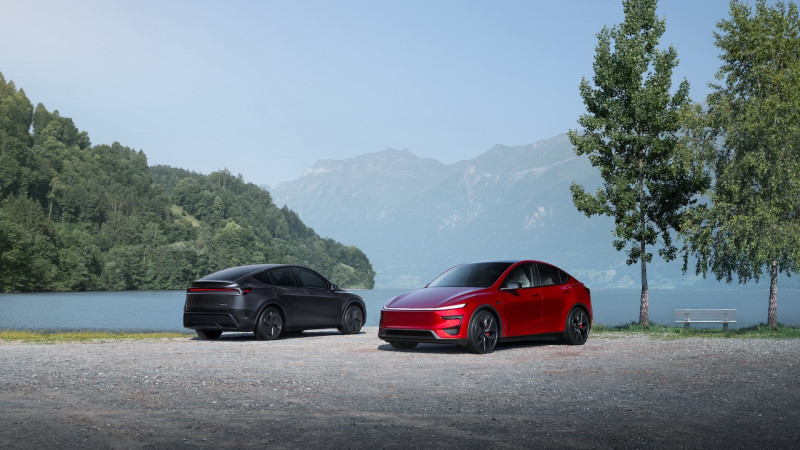
Both cars benefit from Tesla’s charging network, which remains a major part of the ownership experience. For buyers moving into an electric car for the first time, route planning, home charging access and public charging habits should be part of the decision. The right choice is not only about maximum range, but how the car fits your weekly mileage and charging routine.
Running costs and everyday usability
Both the Model 3 and Model Y can offer low day-to-day running costs compared with petrol or diesel cars, especially if you can charge at home. There are fewer routine service items than on a combustion-engined car, but used EV buyers should still check condition, tyres, brakes, charging history and battery health where possible.
The Model 3 is likely to be the more efficient and more affordable car to run, helped by its lower weight and better aerodynamic profile. It will suit drivers who mainly cover longer commutes, motorway trips or regular solo journeys.
The Model Y is likely to use slightly more energy, but it gives you more space in return. If you regularly carry family, luggage, pets or sports equipment, the extra practicality may be worth the higher purchase price and running costs.
Which Tesla is best for you?
The choice between the Tesla Model 3 and Model Y comes down to how you use your car. Choose the Model 3 if you want the sleeker, more efficient option with stronger range potential and a lower, more car-like driving experience.
Choose the Model Y if you need more space, easier access and a bigger boot. It is the better fit for families, outdoor lifestyles and drivers who want the practicality of an SUV without moving away from Tesla’s electric car technology.
Both cars offer strong electric performance, modern software and access to one of the most recognisable charging networks. The Model 3 is the better choice for efficiency and driving feel. The Model Y is the better all-round family car.


