
 Updated 03/09/2026
Read Time 6 mins
Updated 03/09/2026
Read Time 6 mins

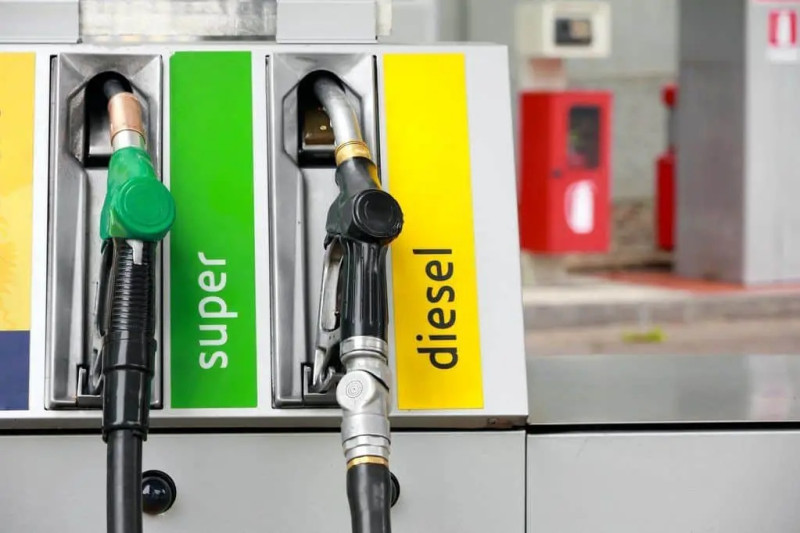
Each fuel type has its own advantages and disadvantages, from purchase price and fuel economy to performance, emissions, maintenance and suitability for different journeys.
So, if electric power is not the right fit for you at the moment, should you choose a petrol or diesel car? Here’s what to consider before you buy.
Petrol vs diesel cars at a glance
Both petrol and diesel cars can make sense, but they suit different types of driving. This quick comparison shows where each one tends to work best.
| What matters most | Petrol cars | Diesel cars |
|---|---|---|
| Best suited to | Short trips, town driving and lower annual mileage | Longer journeys, motorway driving and higher annual mileage |
| Driving feel | Usually quieter and smoother at low speeds | Strong low-speed pulling power, but often noisier |
| Fuel economy | Typically less efficient on longer journeys | Usually more fuel-efficient on longer trips |
| Maintenance | Often simpler and cheaper to maintain | Can cost more to maintain, especially emissions systems |
| Towing and heavy loads | Suitable for lighter use, depending on the model | Often better for towing and heavier loads because of stronger torque |
| Used car choice | Wide choice across small cars, hatchbacks and performance models | Good choice among larger cars, SUVs, estates and motorway-focused cars |
How do petrol and diesel engines work?
Petrol and diesel engines operate in different ways. Petrol engines use spark ignition, where a spark plug ignites a mixture of petrol and air.
Diesel engines use compression ignition. Air is compressed to a high temperature, then fuel is injected and ignites under pressure. This difference helps explain why petrol and diesel cars feel different to drive, and why they vary in efficiency, emissions and maintenance needs.
Advantages of petrol cars
One of the main benefits of petrol engines is their quieter performance and reduced vibration compared with diesel engines. That generally means a more refined and comfortable drive, especially when idling or travelling at lower speeds.
Petrol cars are usually cheaper to buy, particularly on the used market and in smaller segments. The difference in initial cost can be noticeable in city cars, superminis and entry-level family cars, making petrol a strong choice for budget-conscious buyers.
Petrol engines are also generally less exposed to some of the costly faults associated with modern diesels, such as diesel particulate filter (DPF) problems or complex high-pressure fuel system issues. Routine servicing can be cheaper too, although this will always depend on the car, its age and how well it has been maintained.
Petrol cars are often better for short journeys. They warm up faster than diesels and are less affected by frequent stop-start driving, which can cause diesel emissions systems to struggle if the engine does not regularly reach the right operating temperature.
There is also a broad selection of petrol cars available, from affordable small hatchbacks to sporty and high-performance models. For many drivers, that makes petrol the easiest and most flexible option to shop for.
Disadvantages of petrol cars
Petrol engines are typically less fuel-efficient than diesels, especially on longer journeys or regular motorway driving. That can mean higher fuel costs over time for drivers who cover a lot of miles.
They also tend to produce more CO2 than comparable diesel models. This can affect running costs, including vehicle tax, depending on the age and emissions rating of the car.
Petrol engines usually produce less low-end torque than diesels, which means they may not feel as strong when towing, carrying heavy loads or climbing steep hills. If you drive a larger SUV, estate or towing vehicle, this is one reason diesel may still be worth considering.
Advantages of diesel cars
Diesel engines generally deliver better fuel economy than petrol engines, especially on longer journeys and at steady speeds. For drivers who regularly cover substantial distances, this can help reduce day-to-day running costs.
Diesel cars are also known for strong torque. In simple terms, they often feel more muscular from low revs, which makes them well suited to towing caravans or trailers, transporting heavy loads and driving through hilly areas.
Provided they are properly maintained, diesel engines can be long-lasting. Their strength and efficiency are part of the reason they have traditionally been popular in large estates, SUVs, executive cars and vehicles used for high-mileage driving.
Diesel models can also make sense on the used market if they match your driving pattern. A well-maintained diesel that regularly gets longer runs may be a sound choice for motorway commuters, business users and drivers who need dependable long-distance economy.
Disadvantages of diesel cars
Diesel cars are often more expensive to buy than equivalent petrol models, especially when they are newer. Their engines and emissions systems are more complex, which can also make maintenance and repairs more expensive.
Modern diesels use emissions-control technology such as diesel particulate filters and selective catalytic reduction systems. These systems are designed to reduce harmful emissions, but they need the right driving conditions to work properly. Frequent short journeys can lead to issues such as a blocked DPF, which can be costly to fix.
Although diesel engines can emit less CO2 than comparable petrol engines, they can produce higher levels of nitrogen oxides (NOx) and particulates. This is one reason some urban areas apply stricter rules to older diesel vehicles.
Diesels can also feel noisier and less smooth than petrol cars at low speeds, particularly in older models. If refinement, quietness and short urban journeys are priorities, petrol may be the better fit.
Petrol or diesel for city driving?
If most of your driving is in town, petrol will usually be the more suitable choice. Short trips, traffic and regular stop-start driving suit petrol engines better than diesels, because they warm up faster and do not rely on diesel emissions systems reaching high operating temperatures.
A petrol car may also be cheaper to buy and maintain, which matters if you drive fewer miles each year. If you do most of your driving locally, it is also worth considering whether a hybrid or electric car could suit your routine, especially if you have access to charging.


Petrol or diesel for long journeys?
If you regularly cover long distances, diesel can still make sense. Diesel engines are often at their best on motorways and A-roads, where their efficiency and torque help them feel relaxed and economical.
For higher-mileage drivers, the extra fuel economy can offset the higher purchase and maintenance costs, although this depends on how many miles you cover, the car’s condition and the price difference between comparable petrol and diesel models.
Which is better for towing?
Diesel is often the stronger option for towing because diesel engines usually produce more low-end torque. That makes them well suited to caravans, trailers and larger cars carrying heavier loads.
That does not mean a petrol car cannot tow. Many petrol models can, but you’ll need to check the manufacturer’s towing limit, the weight of what you plan to tow and whether the car has enough power for the job. For frequent towing, a diesel SUV or estate may still be the more confident choice.
What about emissions and clean air zones?
Both petrol and diesel vehicles have environmental impacts, but in different ways. Petrol cars tend to produce more CO2, while diesel cars can produce more NOx and particulates, especially older models.
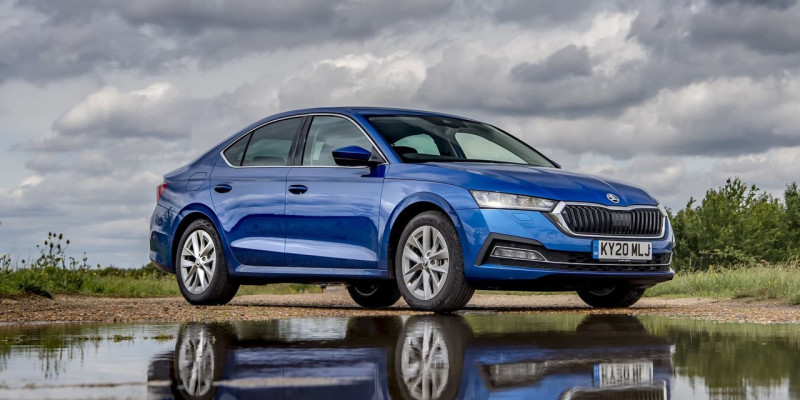
Clean air and low-emission zone rules can vary by location, so it is important to check whether a car meets the standards for the areas where you drive. As a general used-car buying point, newer petrol and newer diesel cars are more likely to meet modern emissions standards than older vehicles.
The move towards hybrid and electric cars will continue to affect the future of petrol and diesel, but used petrol and diesel cars will remain part of the market for years. The right choice should be based on how and where you drive now, as well as how long you plan to keep the car.
Total cost of ownership
Purchase price is only one part of the decision. You should also think about fuel costs, servicing, repairs, insurance, tax and resale value.
Petrol cars often have lower purchase and maintenance costs, which can make them a sensible choice for lower-mileage drivers. Diesel cars can cost more to buy and service, but may save money for drivers who cover long distances because of their stronger fuel economy.
Condition and service history matter whichever fuel type you choose. For diesels, look for evidence of regular maintenance and check that the car has been used in a way that suits its emissions systems. For petrol cars, the same basic checks apply, including oil changes, timing belt or chain history and evidence of regular servicing.
Which should I choose?
The choice between petrol and diesel depends on your driving habits, budget and future plans.
Choose petrol if you mostly drive in towns, cover lower annual mileage, want a quieter drive and prefer lower purchase and servicing costs. Petrol is also likely to suit you if you want a small hatchback, city car or a wider choice of sportier models.
Choose diesel if you regularly drive long distances, spend a lot of time on motorways, tow heavy loads or want strong fuel economy from a larger car. Diesel can still be a practical choice, but it works best when the car regularly gets longer runs and has been properly maintained.
For many buyers, the best answer is the car that fits your real routine rather than the one that looks cheapest at first glance. Think about where you drive, how often you drive, what you carry and how long you plan to keep the car.
Find your next petrol or diesel car with AA Cars
Ready to compare your options? Browse used petrol cars on AA Cars or used diesel cars on AA Cars to find the right match for your mileage, budget and lifestyle.


