
 Updated 03/09/2026
Read Time 6 mins
Updated 03/09/2026
Read Time 6 mins

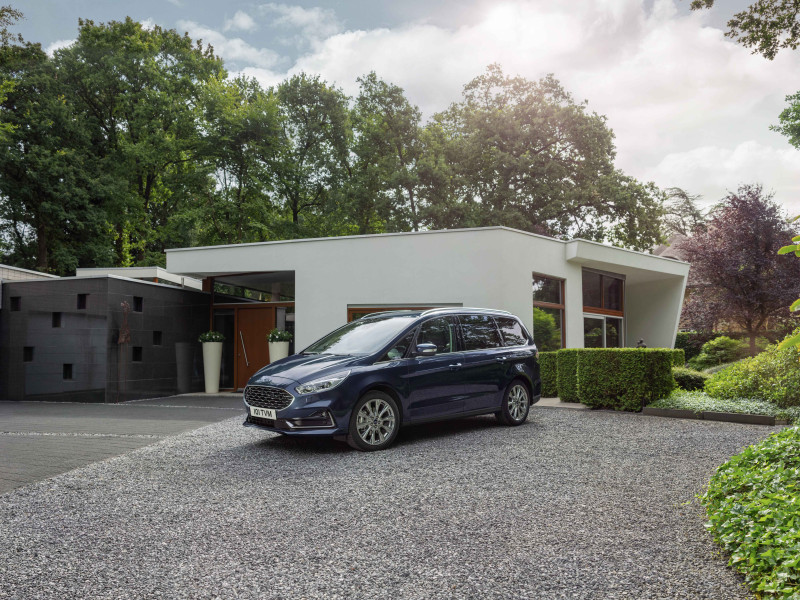
But look a little closer and the differences become clearer. An MPV is designed around passenger space and everyday usability. An SUV gives you a higher stance, a more rugged image and, in some cases, extra capability for rougher roads or towing.
This guide explains the difference between an MPV and an SUV, where each one works best, and what to think about if you are choosing your next family car.
MPV vs SUV: Quick comparison
Both body styles can work well for families, but they solve different problems. This table gives a simple overview before we look at the details.
| Area | MPV | SUV |
|---|---|---|
| Best for | Maximum passenger space and easy access | Higher driving position, style and versatility |
| Seating | Often available with seven seats and flexible layouts | Many five-seat models, with seven seats on larger SUVs |
| Boot and load space | Usually easier to load, with a low floor and tall cabin | Often practical, but boot access and floor height can vary |
| Driving position | Raised, but usually more car-like | Higher and more commanding |
| Driving feel | Comfort-focused and easy to use | More varied, from compact crossovers to capable four-wheel-drive SUVs |
| Running costs | Often efficient for the space they offer | Can cost more to run, especially larger or heavier models |
| Image | Practical and family-focused | Rugged, stylish and popular |
What is an SUV?
SUV stands for Sport Utility Vehicle. SUVs have become one of the most popular types of car in the UK, with appeal across everything from compact city-friendly models to large seven-seat family cars.
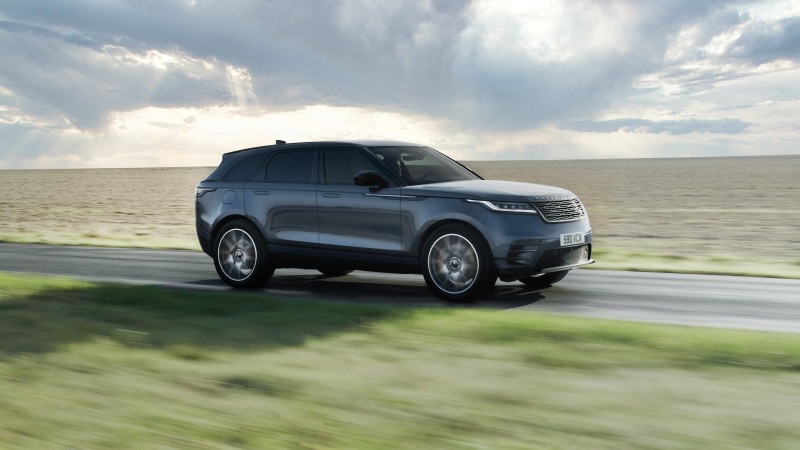
Traditionally, SUVs were associated with off-road ability, extra ground clearance and a tougher construction than a standard passenger car. Many modern SUVs are now more refined and family-focused, but the same basic idea remains. They sit higher from the road, usually have a more rugged shape, and are designed to mix comfort, practicality and capability.
Some SUVs are available with four-wheel drive, while others are front-wheel drive and built mainly for town, motorway and family use. The higher driving position is a big part of the appeal, giving many drivers a better view of the road ahead. Larger SUVs can also offer strong towing ability and seven-seat layouts.
What is an MPV?
MPV stands for multi-purpose vehicle. They are also known as people carriers, which tells you a lot about their main strength.
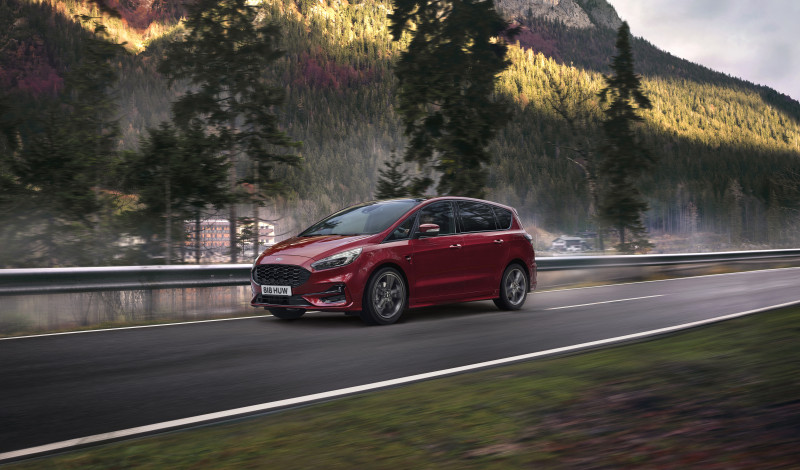
An MPV puts people, seats and interior flexibility first. These cars usually have a tall, boxy roofline, a spacious cabin and a layout designed to make family life easier. Many MPVs offer seven seats, generous headroom and useful storage areas, while some also have sliding rear doors to make access easier in tight parking spaces.
MPVs may not have the same fashionable image as SUVs, but they remain a strong choice for larger families. If you regularly carry children, grandparents, friends, pushchairs, school bags and shopping, an MPV can make more sense than an SUV.
What is the main difference between an MPV and an SUV?
The biggest difference is purpose. MPVs are designed from the inside out, with space, access and passenger comfort as the main priorities. SUVs are designed to offer a broader mix of practicality, road presence and, depending on the model, tougher capability.
Most MPVs are based on standard car platforms and are commonly front-wheel drive. They often have a lower floor than SUVs, which makes it easier to load heavy items or help younger children get in and out. Their tall rooflines also make the cabin feel open and useful.
SUVs usually sit higher from the road. This gives them a more commanding driving position and a stronger image. Some SUVs also offer four-wheel drive, more ground clearance and better towing ability, although many modern SUVs are used mainly as family cars rather than off-road vehicles.
Which is more practical?
If you are judging on pure practicality, an MPV will usually have the edge. Their shape is built around people and luggage, so the space is often easier to use. A wide tailgate, low loading lip and flexible seating can make everyday jobs simpler, from fitting child seats to loading a pushchair.
That makes MPVs especially useful for larger households. If you often carry six or seven people, or need to move between passenger space and luggage space quickly, a good people carrier is hard to beat.
SUVs can still be very practical. Many offer large boots, folding rear seats and family-friendly cabins. Larger SUVs may also offer seven seats. The difference is that the boot floor can be higher, and the styling may reduce how easy the space is to use compared with a boxier MPV.
Which is easier to drive?
MPVs tend to feel closer to conventional cars. They are often built to be smooth, predictable and easy to drive, with good visibility and light controls. For school runs, supermarket trips and family weekends, that straightforward character can be a real benefit.
SUVs give you a higher view of the road, which many drivers prefer. Compact SUVs can feel easy to place in town, while larger SUVs can feel more secure and stable on longer journeys. Some models are also better suited to rough lanes, rural roads and towing.
However, bigger SUVs can be heavier and less easy to park than an equivalent MPV or hatchback. If most of your driving is in tight streets or busy car parks, size matters as much as body style.
Which has lower running costs?
Running costs depend on the exact model, engine, age and condition, but MPVs can be efficient for the amount of space they offer. Many were built with family use in mind, so you can often find practical diesel, petrol and hybrid options on the used market.
SUV running costs vary more widely. A compact SUV may be economical and affordable to insure, while a large seven-seat SUV with four-wheel drive can cost more in fuel, tyres, servicing and insurance. That does not make an SUV the wrong choice, but it does make it worth checking the details before you buy.
When comparing used cars, look beyond body style. Check the service history, MOT record, tyre condition, insurance group and fuel type. The AA Cars used car checklist can help you work through the essentials before arranging a test drive.
Should I choose an MPV or an SUV?
The right choice depends on how you use your car. If you have a big family and regularly carry children, friends, grandparents and luggage, an MPV is likely to be the more sensible option. Their seating systems, easy access and generous interior room make them a natural fit for busy households.
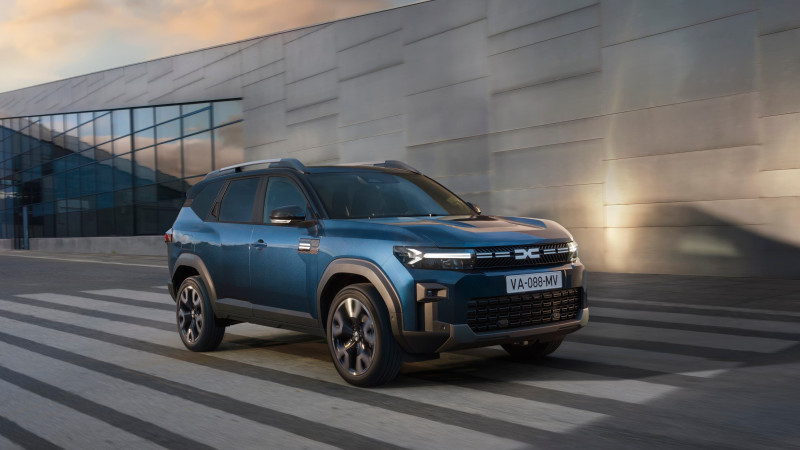
An SUV could be the better fit if you want practicality with more road presence. The higher stance, stronger styling and available four-wheel-drive systems make SUVs appealing to drivers who live in rural or hilly areas, tow caravans or trailers, or simply prefer the way an SUV looks and feels.
There is no one-size-fits-all answer. MPVs excel in pure practicality, while SUVs offer a wider blend of comfort, versatility and style. A test drive is the best way to see which layout feels right for you.
MPV and SUV models to consider
There are plenty of used MPVs and SUVs to choose from. For years, the MPV market included popular family cars such as the Ford S-Max, Ford Galaxy, Volkswagen Touran, Citroën Berlingo Multispace and Seat Alhambra. Many of these remain strong used choices if you want seating flexibility and everyday practicality.
In the SUV market, there is a wide range of choice, from compact models to large seven-seat cars. Options such as the Toyota RAV4 and Hyundai Tucson offer a strong balance of comfort and family usability, while more premium SUVs such as the Range Rover focus on luxury and capability.
The best model will depend on your budget, mileage, seating needs and running costs. Use AA Cars to compare used SUVs, people carriers and seven-seat cars from trusted dealers, then narrow your shortlist by age, fuel type, gearbox, mileage and location.
Buying a used MPV or SUV through AA Cars
AA Cars can help you compare used MPVs and SUVs from approved and independent dealers across the UK. Listings on AA Cars include used SUVs, used people carriers and used seven-seater cars, so you can search by the body style that works for your life.
Before you buy, take time to check the car properly. Service history, MOT history, tyre condition, warning lights and signs of heavy family use all matter. For extra confidence, you can also read The AA’s used car checklist or arrange an AA vehicle inspection before you commit.


