
Specifications
- Fuel types
- Petrol
- No of seats
- 5
- Boot space
- 395 litres
- Dimensions
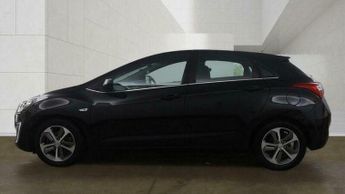
- 4,340 mm x 1,795 mm x 1,455 mm
- Fuel economy
- 42.1 - 47.8mpg
- Acceleration (0-62mph)
- 9.3 seconds
- Insurance group
- 8 - 18
- Body style
- Hatchback
- CO2 emissions
- 130 - 152g/km


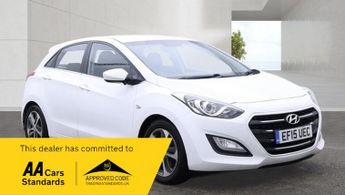
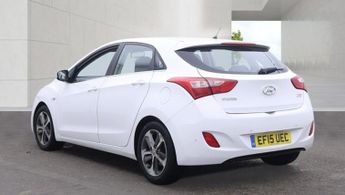
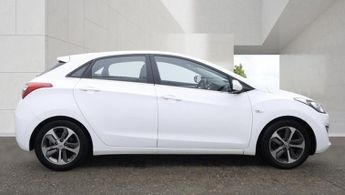
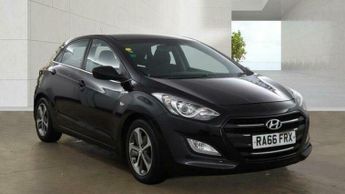
Honest and reliable, the Hyundai i30 is what you’d call a ‘traditional’ hatchback. While it might not have the glitzy styling of its crossover cousins, the i30 is all about intuitive design and zero-fuss motoring which, for many people, could make it the ideal everyday car.
AA Cars Rating: 4/5
How we test carsThe Hyundai i30 may not blow you away with styling or tech features, but what it lacks in character it more than makes up for with its sheer dependability. A solidly made interior and loads of space make this an excellent all-rounder.

Jack is an experienced motoring journalist who has been covering the latest new-car releases for the last 10 years.
Read bioThe Hyundai i30 range kicks off with the entry-level Advance trim, which starts at £24,755. From there, you’ve got mid-range N Line - for £27,390 - and then range-topping N Line S, at £29,410. All cars get loads of equipment as standard, too, and all share the same 1.5-litre engine, too.
Switch to the used market and there’s plenty of choice as well as more options in terms of powertrain. While the facelifted i30 - launched in 2023 - features a slimmer range of engines, older cars can be had with diesel as well - though these tend to be from around 2018. However, we found a 2022 model with 22,000 miles on the clock for £16,490 in popular N Line trim, showing that there are savings to be made if you’re happy to compromise on vehicle age. You’ll also find the performance i30 N with its turbocharged 2.0-litre engine on the used market, having been discontinued over the last few years.
At present, the current i30 is offered with just a single engine option. It’s a turbocharged 1.5-litre petrol engine with 138bhp and 253Nm of torque, enabling a 0-60mph time of 9.3 seconds and a top speed of 122mph. Against the competition, this setup is pretty level. All versions power the front wheels through a six-speed manual gearbox, too. The fitment of a 48-volt mild-hybrid system helps to boost efficiency and reduce emissions, too.
As mentioned, if you’re looking for more powertrain options, then the used market is your best bet, though this 1.5-litre setup is quite a good all-rounder.
The i30 offers the kind of no-frills driving experience that Hyundai has become known for. It’s comfortable and easy-going, with the 1.5-litre petrol engine providing decent enough performance. The clutch has quite a high biting point, mind you, so newer drivers may find it a bit of a challenge. However, you soon get used to it.
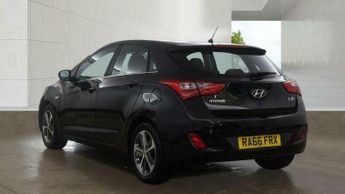
Visibility is good, too - aside from a slightly small rear window - and because of the i30’s regular hatchback design, it’s ideal for nipping through traffic or using to navigate a tighter multi-storey car park. There’s also plenty of adjustability to both the steering wheel and the driver’s seat, so getting comfortable is easy.
The i30 brings an easy-going character which ensures it’ll suit all types of uses. While earlier versions were available with a smaller 1.0-litre engine, the 1.5-litre-powered i30 feels like a sweet spot thanks to its more plentiful power, which gives it more punch, particularly when you’re on the motorway. This setup also makes overtaking in the i30 much easier.
There’s a comfortable ride quality to enjoy, too, and though the steering might be quite light, it’s at least accurate. While the i30 may not be as involving to drive as a Ford Focus or Volkswagen Golf, it’s still very agreeable. Overall, the i30 is the kind of car that can be whisked along quietly and effortlessly, no matter what kind of drive it’s being used for.
Again, the interior of the i30 isn’t going to send shockwaves through the motoring industry for its design flair, but you can’t fault the level of fit-and-finish throughout the cabin. There are soft-touch materials for the dashboard and though some of the plastics feel a little cheaper lower down the car, it’s all put together very well.
It’s also pleasing to see that the i30 gets a range of physical controls for many aspects, such as the ventilation, seat heating - where available - and volume. As a result, changing certain settings is much easier than a touchscreen-only alternative. All models of i30 get a multifunction steering wheel as standard, too, which means you can easily change the radio station, adjust the volume or set the cruise control without having to look away from the road.
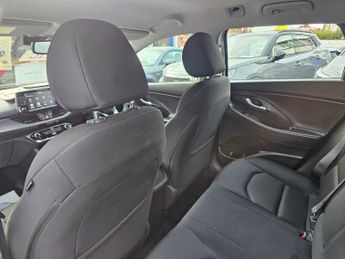
Space throughout the i30 is good, with both front and rear-seat occupants treated to plenty of room. Even taller passengers should be able to get comfortable in the back seats thanks to decent levels of both headroom and legroom, though sitting three abreast may prove to be a bit of a squeeze. You’ll also find ISOFIX points for mounting child seats on the two outer chairs as well.
In terms of boot space, the i30 offers up a very usable 395 litres. The area is square and easy to access, though, because it’s quite deep, retrieving heavier items from inside could prove more challenging. If you need space, then Hyundai also offers a Tourer version of the i30 with an even larger boot.
All cars get a 10.25-inch infotainment system and though it might not be the most feature-packed, it’s easy to navigate and responsive. All cars get wireless smartphone charging as standard, too, alongside a wide variety of USB-C charging points.
Helpful features such as front and rear parking sensors, an around-view parking camera and cruise control come equipped on all models, too. They’re bits of equipment that we’d expect to see on far more premium models, let alone a ‘standard’ hatchback for under £25,000. It does mean that you don’t need to go for the top-whack trim level in order to get lots of handy features.
At present, the i30’s range of specifications is divided into three - Advance, N Line and N Line S.
With Advance, you’re still getting a high level of standard equipment with features such as a 10.25-inch touchscreen included alongside wireless smartphone charging, a multifunction steering wheel and cruise control. On the outside, this grade brings 16-inch alloy wheels as well as LED rear lights and body-coloured door mirrors which are both electronically foldable and heated, too. Advance brings more than enough equipment as standard for most people.
Step up to the sporty N Line and you’re getting a more dynamic-looking version of the i30. Drawing inspiration from Hyundai’s performance ‘N’ vehicles, this model receives a full N Line styling pack with redesigned front and rear bumpers as well as a wider stance on the road, alongside more intricate alloy wheels. Bright LED headlights and daytime running lights are included at this grade, too.
Finally, you’ve got N Line S. This also gets a sporty exterior styling package alongside a rear spoiler with an F1-inspired integrated brake light, helping the i30 to stand out from the crowd at night. A full leather steering wheel helps to make things feel more upmarket inside, too, while dual-zone climate control will make things more comfortable. Keyless entry is another handy addition brought with N Line S specification, too.
From new, there aren’t too many exterior colours to choose from with the i30, with just some rather subdued greys to choose from. N Line cars do get a more exciting green shade to choose from, but if you want more options, then the used market could provide a wider colour palette.
All Hyundai i30 models come equipped with ‘smart’ safety features such as lane keep assistance, lane follow assist and a dedicated eCall system which can automatically contact the emergency services if the car detects an incident. It’s also got a good range of airbags equipped to protect both forward and rear occupants of the car. The i30 was crash-tested by Euro NCAP back in 2017, too, where it was awarded five stars. However, bear in mind that since this examination took place, the tests have become more stringent, meaning that this five-star could actually be four by modern standards.
The good news is that the i30 has an excellent reliability record, buoyed by Hyundai’s own expertise in this area. New cars are backed by an impressive five-year, unlimited-mileage warranty, too, and this is transferable between owners, so even if you’re shopping for a nearly-new mode,l you could still get some coverage intact.
The i30 is quite a clean-running car across the board, so it shouldn’t cost too much to run. Hyundai claims up to 47.8mpg from the latest models and while that can’t quite match diesel or full-hybrid alternatives, it’s still respectable for a standard hatchback. Emissions of between 130-152g/km CO2 are quite standard for the segment, too, particularly given the i30 only has mild-hybrid assistance, rather than full hybrid technology.
Expect to pay the standard £195 annual road tax amount of the i30, too.
 London

London
London
Connect with us


