
Specifications
- Fuel types
- Petrol, Diesel
- No of seats
- 5
- Boot space
- 580 litres
- Dimensions
- 4,960mm x 2,004mm x 1,700mm
- Fuel economy
- 23.5-39.2 mpg
- Acceleration (0-62mph)
- 4.0-5.9 seconds
- Insurance group
- 49-50
- Body style
- SUV
- CO2 emissions
- 195-267g/km


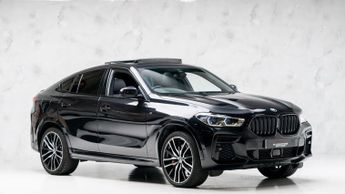
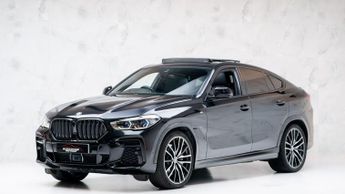
BMW kicked off the trend for the coupe-inspired SUV when it launched the original X6. Now into its third generation, this style-conscious high-rider remains a popular choice. Bringing the space, you’d expect from an SUV but with an extra dose of character, the X6 is aimed at drivers who want an SUV with a bit of flair.
AA Cars Rating: 4.1/5
How we test carsWhen buying a used BMW X6, focus on condition, service history and signs of expensive wear. The 2020-onwards G06 model feels like a big step forward over the earlier F16, with a modern cabin, improved technology and stronger overall refinement. Specifically check for oil or coolant leaks, uneven tyre wear, brake condition and any suspension knocks.

Alexander Gur is a Roadside Patrol at The AA, with more than 20 years of hands-on experience across garage and roadside roles, as well as a strong personal interest in performance cars.
Read bioThe BMW X6 is a premium SUV with strong engines and a high-quality interior, but repairs tend be expensive because of its size, weight and complexity.
Common issues include:
The 30d diesel is a strong everyday option, while the 40i petrol with BMW’s B58 engine is a good choice for buyers who want smoother petrol performance. The X6 M Competition is much more powerful but running costs and wear items are significantly higher as it is a high performance variant.
Most BMW X6 models need servicing every 12 months or around 10,000 miles, depending on the engine, age and condition-based service display.
Key maintenance to keep on top of includes:
Tyres and brakes are the main costs buyers often underestimate for the X6. Many examples also use large run-flat tyres with a staggered setup, meaning the rear tyres can be wider and more expensive. Brakes are also costly because the X6 is a heavy, and powerful SUV.
The BMW X6 holds up well if it’s maintained properly, and well-cared-for. After many years, expect wear around suspension, tyres, brakes and cooling system parts with mileage.
If you see yourself behind the wheel of a stylish SUV, then the BMW X6 should be on your list. With punchy engines and solid build quality, this has all the tell-tale signs of a premium SUV, and with its sloping roofline and futuristic design touches, it’s a car that’ll turn heads too.

Jack is an experienced motoring journalist who has been covering the latest new-car releases for the last 10 years.
Read bioThe BMW X6 is a premium SUV and, as a result, commands a premium price tag. New models start at £82,045 and rise as high as £103,735 for range-topping ‘M’ performance models. However, you’ll find that all versions of the X6 come well equipped, so this goes some way to offsetting the price tag.
On the used market, there are some big savings to be had. For instance, you can find a popular 30d diesel model in M Sport trim with just 2,500 miles on the clock for £74,995 on AA Cars, which represents quite a saving over that £82,045 you’ll pay for a brand-new version.
All of the engines available with the X6 feel quite old-school in the days of electrification. You’ve got the entry-level diesel 30d, which uses a 3.0-litre straight-six unit which provides a good slug of power and smooth, refined propulsion, while the more powerful 40d uses the same engine but with a slightly higher output. Both get an eight-speed automatic gearbox as standard, too.
Petrol-wise, things start with the 40i, which uses a straight-six turbocharged engine which, again, uses an automatic transmission. At the top of the tree is the M60i, which uses a 4.4-litre twin-turbocharged V8 engine for the highest level of performance within the X6 range. Of course, running costs and fuel bills will be higher with this variant.
The X6 brings with it a sporty design and some of these filters through into the way the car drives, too. Opt for a diesel-powered model and you’ll get a smooth and refined experience, with both road and wind noise kept to a minimum at speed. Bear in mind that there is a small amount of tyre roar, mind you, which is generated by the huge tyres which come equipped on all models.
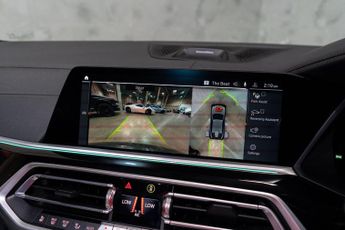
Visibility up front is good and you’ve got nice, large wing mirrors to help out further. However, with that sloped roofline comes thicker rear pillars and a smaller rear screen, which combine to make over-the-shoulder visibility not as good as that which you’d find in a ‘regular’ SUV with the X6’s stablemate, the X5. That said, you’ve got a great range of cameras and sensors equipped as standard to help out.
There’s definitely a sporty edge to the way the X6 goes down the road. While this does mean that the ride feels noticeably firm - and more so on versions equipped with large alloy wheels - it also means that the X6 corners nicely, with body roll being kept in check for nearly all of the time. When you engage sport mode in the X6, there’s a noticeable grumble through the speakers as the sound of the exhaust is amplified and piped into the cabin. It’s quite exciting, though it can get a little wearing after a while.
However, get the X6 on a twisty road and it’s noticeably more exciting to drive than rival offerings, while its steering is weighty and inspires confidence. The good news, however, is that the X6 is also comfortable and refined at a cruise, so those long-distance trips won’t be wearing.
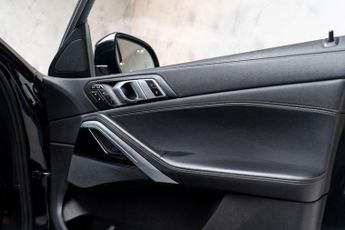
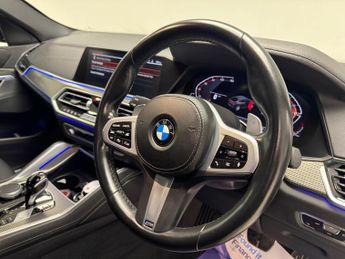
It’s a solidly made thing, the X6’s cabin. There are plush-feeling materials across the board, from the soft-touch dashboard to the areas around the switches, and it’s all brought together with a really close attention to build quality. As a result, everything inside the X6 feels built to last and will live up to the car’s premium price tag. All cars come with electrically-adjustable front seats, too, so it’s easy to get your driving position spot-on the first time.
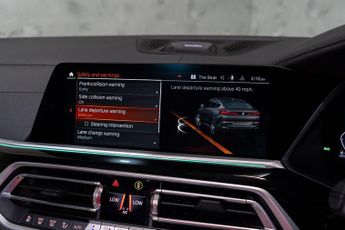
Ergonomically, the interior of the X6 is sound, too. You’ve got a large touchscreen ahead of you, but it’s also controlled by a rotary dial as part of BMW’s iDrive system. It means that you can easily access various functions of the infotainment, and there are some handy shortcut buttons on either side of the gear selector for drive modes and suspension settings, too.
With its sloping roofline, the X6 isn’t quite as practical as the X5 with which it shares so many features. Headroom isn’t too bad but watch out for cars with a panoramic sunroof as this eats into space further. Legroom is about what you’d expect, too, though there’s not much room for the feet of those sitting in the back. A large transmission hump means whoever is sitting in the middle is likely to feel quite cramped, too.
Boot space stands at a very usable 580 litres, and you can, of course, fold down the rear seats to expand this. However, because of the car’s roofline and coupe-inspired shape, the boot opening isn’t all that large and this could make loading more awkwardly shaped items a chore.
As a premium car, the X6 comes with all of the bells and whistles you could want. There’s a large central infotainment system and handy digital dial setup ahead of the driver, alongside heated seats and automatic climate control. Those previously-mentioned electric seats have a memory function, too, allowing you to save a number of seat locations that can easily be returned to depending on who is behind the wheel.
You’ve also got M Sport Pro specification, which is great for fans of BMW’s performance division. It adds M seat belts with classic red and blue colourways, as well a M Sport brakes with red or blue calipers. An upgraded M Sport exhaust system is also included in this grade, adding a little extra character to the car’s sound.
When new, the X6 is available in two trim levels - M Sport and M Sport Pro. The entry-level specification brings a 12.3-inch infotainment system and aforementioned rotary controller, as well as a 12.3-inch driver display. All cars get a decent 10-speaker sound system as standard, too.
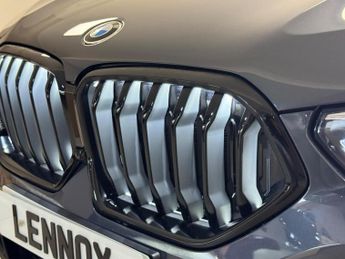
But if you’re after more punch from your X6, then M Sport Pro is the way to go. Not only does it bring a few performance upgrades, but you also get high-gloss black exterior trim elements for areas such as the tailpipe finishers and kidney grille frames. As with any BMW, there’s an extensive list of optional extras to add if you want more features.
Colour-wise, there are loads of options on the X6, covering greys, blacks and blues. For an additional fee of around £5,000, you can also choose from BMW’s individual paint selection, which brings a huge amount of variety.
The BMW X6 is equipped with a great range of standard safety equipment. Highlights include adaptive LED headlights, which will automatically convert to high and low beam depending on the traffic situation, while a special parking assistant package can detect an empty space and guide the car into it, with the driver only managing throttle and brakes - the car deals with the steering. You’ll also find a full electronic stability control package on board and while the X6 hasn’t been crash-tested, the X5 - upon which the X6 is based - scored a full five stars when tested by Euro NCAP.
The X6’s engines are tried and tested, so there shouldn’t be too many issues in that area. However, as with most luxury SUVs, the sheer amount of tech on board means that there is more to go wrong than with a ‘normal’ car, so you should expect a repair bill to crop up from time to time.
All versions of the X6 will be relatively expensive to run and fuel, but there are some versions which will be cheaper should you need it. Most efficient - and most popular - are the diesel models, with the standard 30d able to return up to 39.2mpg combined, which isn’t bad for a car of this size. Sadly, there’s no plug-in hybrid option available on the X6 - you’ll need to look at the X5 in order to get this.
The range-topping M60i will be the thirstiest of the lot, with BMW claiming 23.5mpg combined, though it’s likely to be far lower than this if you drive in a more spirited manner. Emissions stand at between 195 and 267g/km CO2, which actually isn’t too bad for a car of this type. You could be looking at up to £341 in tax annually, depending on the model and since the X6 costs over £40,000 new, you’ll have to pay the Expensive Car Supplement for the first five years of registration, adding £425 per year on top of the standard amount.
 London

London

London
Connect with us


