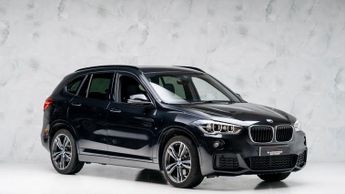
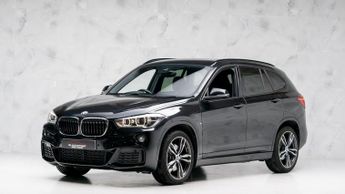
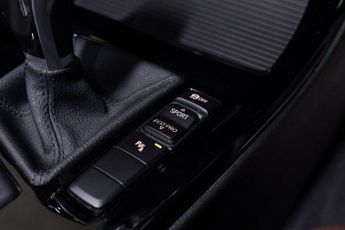
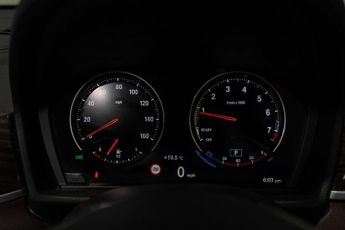
Specifications

Fuel types
Mild-hybrid petrol, diesel, petrol plug-in hybrid
No of seats
5
Boot space
500 litres
Dimensions
4,500 mm x 1,845 mm x 1,642 mm
Fuel economy
34.7 mpg -128.4 mpg
Acceleration (0-62mph)
5.4 - 8.9 seconds
Insurance group
24, 25, 26, 29, 30, 31, 33, 34, 35
Body style
SUV
CO2 emissions
47 - 185 g/km
Browse 760 in stock

AA Mechanic review

When buying a used BMW X1, check for a full service history, smooth automatic gearbox changes and no warning lights. Pay close attention to the electronics, suspension, tyres, coolant leaks, engine vibration and steering feel. It’s also worth using an online vehicle check, such as an AA Vehicle Check, to look for outstanding finance, insurance write-off history or mileage discrepancies.
Allen Childs
Allen Childs

Allen Childs is a Regional Manager at The AA, with extensive experience in roadside assistance, vehicle repair, recovery operations, team development and operational leadership.

Read bio

4.1/5

Repairs

The BMW X1 is generally reliable, but repairs can become expensive if maintenance has been neglected over the long run. Common issues include:

• Infotainment glitches, sensor faults and warning alerts over time

• Suspension wear, including bushes and tie rods with high miles

• Steering component wear on higher mileage cars

• Engine mount wear, which can cause vibration

• Coolant leaks on some models with high mileage

• Occasional automatic gearbox hesitation or rough shifting

• Parking sensor and reversing camera faults as the car ages

Most issues are manageable if caught early, but repairs can range from around £300 to £2,000 depending on the fault and severity. So, it is best to look for an example with good service history.

Maintenance

BMW X1 service schedules vary by engine and model year, so owners should follow the car’s service display and service book. In general, expect service every 12 months or around 10,000 to 15,000 miles. Key maintenance to keep on top of includes:

• Regular oil and filter changes Brake fluid replacement every 2 years

• Gearbox and drivetrain fluid servicing when due

• Coolant system checks and early repair of leaks Suspension and steering inspections

• Software updates for infotainment and driver assistance systems

Most used X1 models are petrol or diesel. Plug-in hybrid versions need the same routine servicing, plus checks on the high-voltage system.

Is the BMW X1 a reliable car?

The BMW X1 is a practical premium compact SUV with good driving dynamics, a useful interior and solid reliability when it’s maintained properly. After 5 to 7 years, only neglected examples develop several issues at once, especially with electronics, suspension, coolant leaks and gearbox behavior. A well-serviced X1 with clear history and no warning lights should be a strong used buy.

Browse 760 in stock

AA Cars review

The BMW X1 ticks nearly every box going in the small premium SUV market. It’s good to drive, is very well-equipped, and has loads of space inside, making it a great family car. There’s also the cache of that BMW badge, and how the X1 manages to look like a mini version of one of BMW’s large range-topping SUVs. There are loads of good examples available on AA Cars.
Jack Evans
Jack Evans

Jack is an experienced motoring journalist who has been covering the latest new-car releases for the last 10 years.

Read bio

4.0/5

How much does it cost?

The BMW X1 is a premium offering in the small SUV class, and as such it's priced in-line with cars like the Audi Q3, Mercedes-Benz GLA and Volvo XC40. Sport models with the smallest petrol engine start at £36,920, while the range is topped off with a performance model from £51,520. The X1 holds its price well in the used market, so the earliest 2022 cars cost from around £27,000.

Engine and performance

Overview

The BMW X1 has a broad range of engines, meaning there's something for everyone. For petrol power, there’s a 2.0-litre mild-hybrid engine in 168bhp (badged sDrive20i) and 215bhp (xDrive23i) forms. Sitting at the top of the range is the performance M35i xDrive that uses a more powerful 2.0-litre engine with 296bhp. The M35i is a bit of a niche model, though, with the sDrive20i being the more popular petrol version.

The X1 also gets two 2.0-litre diesel options – the 148bhp sDrive18d and 209bhp xDrive23d – plus two petrol plug-in hybrids. These hybrids can impressively travel up to 53 miles on pure electric and offer low VED and the potential to slash running costs provided they are regularly charged up. All X1s come with automatic gearboxes, and there's the choice of front- and all-wheel drive – sDrive badges denote the former and xDrive the latter.

BMW X1 performance

Out on the road

All versions of the X1 are brisk and deliver the kind of performance that's in-keeping with a premium small SUV. The petrol versions can sound a little strained at times, and the lower powered diesel has a typical diesel-engine gruff to it – all X1s have more road and wind noise than rivals. But they are by no means bad, and the standard-fit eight-speed automatic gearbox is impressively smooth. The plug-in hybrids are the quietest of the lot, especially so when they're running on electric power. Thanks to their electric motors, they're also pretty punchy and deliver excellent performance.

With just under 300bhp at its disposal, the high-performance M35i is a very potent machine and places driver fun at the top of its list of priorities. Overall, the X1 offers a decent driving experience, but it's fair to say that for outright refinement and comfort the Audi Q3 and Volvo XC40 are more accomplished.

BMW X1 on the road

Ride and handling

In true BMW style, the X1 has always offered a sportier drive compared to rivals from Audi and Volvo. It has sharper, more accurate steering for starters, while the whole car just feels keener to be driven enthusiastically along a twisting, country road. The X1 has great body control and doesn’t lean too much in corners. Around town, meanwhile, that sharp steering gets lighter, making parking and maneuvering in tight situations a doddle. The downside to this sportier set-up is that even the basic versions have a firm ride. The X1 comes with standard suspension and an adaptive system that can soften and even stiffen the ride even further, but even the standard version is on the hard side compared to rivals. It means the X1 can struggle to deal with potholes and lumps and bumps in the road, while a Volvo XC40 would glide over them.

BMW X1 ride and handling

Interior and features

Interiors

Being one of BMW’s newest models, the X1 has the German brand’s latest design theme inside. That means it’s all rather minimalist, with few buttons for features like the climate control system, and a heavy reliance on the touchscreen. With nearly all of the car’s features being controlled through the touchscreen, it can feel a bit of a backward step compared to earlier BMW models. But, happily, the wide 10.7-inch screen is intuitive and slick and is easy to get to grips with. The X1 has an interior that’s in-keeping with BMW’s premium image, as all the plastics and materials feel well put together.

Overall, it feels plush and comfortable, whilst also feeling sturdy for family duties. There’s plenty of space up front, and back-seat passengers won’t be complaining over a lack of room as the X1 betters all of its rivals in this department. It offers class-leading levels of head and knee room.

BMW X1 interior

Boot space and practicality

At 500 litres the X1 has one of the larger boots in the class, making it a great option for families. Lift the tailgate and the opening is wide and square, with a very small lip to haul heavy items over, and the boot is impressively tall, too. There are also some handy extra cubby spaces in front of the wheel arches. The back seats fold down in a handy 40/20/40 fashion, boosting the X1's flexibility, and they can be folded with levers in the boot area. If you want the ultimate practicality, though, look out for used models with the optional sliding seats package. This can liberate even more boot space with the seats slid forwards. One thing to note, however, is that the plug-in hybrid models have a slightly smaller boot because of the hybrid hardware.

BMW X1 boot space and practicality

Features

The X1 follows pretty much every other BMW in the range when it comes to trim levels. Sport kicks off the line-up and is pretty well-equipped, coming with a pair of high definition screens, front and rear parking sensors, a reversing camera, and cruise control. The xLine models have a slightly more off-roader appearance, while the M Sport models are the most popular as they add sportier styling inside and out. There's also a Shadow Edition that's based on the M Sport model but adds darker exterior trim, while the top-spec M35i has an even sportier appearance.

BMW X1 feature

Trim and colour options

The X1 comes in a wide range of trim levels, but the M Sport and M Sport Pro models are the most popular as they gain sportier body styling and desirable luxuries such as sports seats and alcantara upholstery. There's a vibrant colour range, which is unusual for a premium car and makes a change from the default silvers, whites and blacks. Of course, those colours are offered, but so too are blues, greens and reds. Some customers even opted for the BMW Individual Special Paints programme, allowing them to choose the exact colour shade they wanted.

BMW X1 trim and colour

Safety and reliability

Independent crash testers and safety experts Euro NCAP gave the X1 a full five-star safety rating when they tested it in 2022. It scored impressively for adult and child occupant protection – 86 per cent and 89 per cent respectively – and a good score for vulnerable road user protection at 76 per cent. The X1's safety systems were praised highly, attracting a 92 per cent score. As standard, the X1 gets autonomous emergency braking with pedestrian and cyclist detection, forward collision warning, lane departure warning with lane-keep assists, and a whole host of other systems.

BMW X1 safety and reliability

MPG, emissions and tax

Hot M35i aside, the X1 should prove to be a pretty frugal car to drive as all versions have excellent fuel economy. The petrols will be the thirstiest of the lot, but even these should return in the mid- to high-40s MPG. The diesels are the traditional choice for fuel economy as they can easily return MPG in the mid-50s and can be a good option if you like to tow. But the PHEVs are the real stars here – on paper they can give fuel consumption between 100 and 128 MPG, thanks to slipping into EV mode.

But, as with any plug-in hybrid, you’ll only achieve those figures if you regularly plug in to a charging point and keep the car’s battery topped up. VED rates differ widely due to the sheer variety of engine options. The cheapest will be the plug-in hybrids thanks to their 50-plus miles of EV running, while the M35i will be the most expensive. But normal petrol and diesel versions will be on par with rivals and attract a flat rate of £195 a year.

BMW X1 MPG, emissions and tax
Browse 760 in stock