
 Updated 21/07/2026
Read Time 5 mins
Updated 21/07/2026
Read Time 5 mins

However, there’s a lot to consider before you take the plunge – from choosing the right EV to charging. Here, we break down the key things you need to know before buying an electric car.
How does an electric car work?
This sounds like an obvious question, but if you've never driven an electric car before you might not know what lies beneath the body. An electric car works very differently from a conventional petrol and diesel car, with EVs running purely on battery power. The battery pack sends its power to an electric motor (or motors in the case of four-wheel drive EVs), and that's it. There are no gears, far fewer moving parts, and no exhaust system.
Does this impact how they drive?
They drive a bit differently, too. As the electric motor's torque is available all of the time, you can be guaranteed of lightning responses when you press the accelerator pedal. Plus, EVs have regenerative braking (a system that recoups energy that's normally lost through heat during braking, and puts it back into the battery to improve range), with the electric motor acting as a generator. This reduces wear on the brakes.
What range is right for me?
Despite constant advancements in battery technology and electric car charging infrastructure, 'range anxiety' is still a physiological barrier for many people considering making the switch to the electric lifestyle. But the reality is that many EVs offer more than enough range for most people's needs, especially if you can charge at home.
The vast majority of new EVs on sale today can travel between 200 and 350 miles before needing to be recharged. But even at the cheaper end of the market, EVs can manage around 150 miles.
Just like with a petrol and diesel car, EVs have a 'WLTP' claimed range. This figure is derived from tests that mimic real-world driving, but the reality is most drivers are unlikely to reach these figures. Factors like temperature, speed, and driving style all affect the range.
How do I charge an EV?
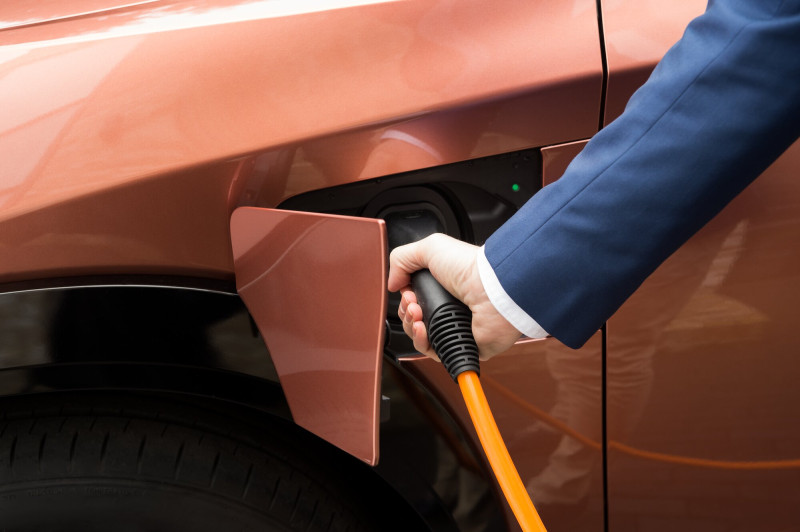
Understanding how to charge an electric car is one of the biggest things to get your head around before making the switch.
1. Home charging
One main reason for this is that home charging is cheaper than public charging, because, not only will you likely be charging overnight, but you can opt for an EV-specific electricity tariff that is designed to give the best rates and/or charge at the cheapest times.
2. Public charging
They may look similar, but not all charging points are the same. There are three main types:
- Slow / AC: up to 7kW
- Fast / AC: 11–22kW
- Rapid or Ultra-Rapid: 50–350kW
Slow chargers
Slow chargers are usually found in car parks, and sometimes known as 'destination chargers', with the idea being you plug in your car while you're at a venue for an extended period of time.
Fast chargers
Fast chargers are mostly found at supermarket car parks, for example, where a car may be parked for a couple of hours.
Rapid chargers
Rapid or ultra-rapid chargers are the ones you'll find at motorway services, petrol stations and even at fast food restaurants. These are DC (Direct Current) rather AC (Alternating Current), and therefore top up the battery incredibly quickly. Plug in some EVs into a 350kW charger and you could get a 10-80 per cent charge in less than 20 minutes.
One thing to note, though, is some chargers can be used with a contactless bank card, while others require an account through a smartphone app. Prices vary enormously, and you shouldn't assume a 50kW DC rapid-charger will always be cheaper than a 11kW fast-charger. It pays to use apps like Zapmap that not only show where the nearest charging points are, but also give pricing and charging information.
What about battery health and warranties?
attery health is another barrier often cited by people to EV ownership, but it shouldn't be.
Modern lithium-ion battery packs have clever systems to prolong their lives, and most manufacturers give their EVs an eight-year/100,000-mile warranty for their batteries.
Of course, that's an average, and there are ways you can prolong battery life, such as avoiding charging to 100 per cent frequently, minimising rapid charging, and, like your phone, keeping the battery between 20 to 80 per cent for daily use.
Some dealers, such as those on AA Cars, supply battery health certificates for their cars for maximum peace of mind.
Running costs - What do you need to know?
The potential for cheaper running costs is a major benefit in switching to a pure-electric car.
1. Electricity costs
Plugging in your car to a home wallbox is normally cheaper than filling a car with petrol or diesel, even on a standard-rate tariff. But, if you're making the switch to the EV lifestyle, opting for an EV-friendly tariff can dramatically lower your running costs. That's because these tariffs offer significantly cheaper electricity rates during off-peak hours.
2. Maintenance
Because they don't have an engine and a fuel system, EVs have fewer moving parts and components, therefore there's less chance of things breaking or going wrong.
There's no need for routine oil changes, no need to replace costly items like exhausts and clutches, and there's less brake wear thanks to regenerative braking. Therefore, servicing tends to be cheaper.
3. Insurance
Insurance, however, can sometimes be more expensive than equivalent petrol cars. This is due to expensive components and fewer specialist repairers, although costs are coming down as EVs become more mainstream.
Making the switch to EV needn’t be a worrying experience. For most drivers the change is a positive one, and they can enjoy lower running costs and a more refined driving experience. As with many things, though, the key is preparation. Understanding your lifestyle and what you need from a car is crucial in ensuring the switch is pain-free.
Search AA Cars for the best used EVs from AA approved and trusted dealers.


