
 Updated 03/09/2026
Read Time 5 mins
Updated 03/09/2026
Read Time 5 mins

Electric cars are becoming an increasingly familiar sight on UK roads. As more drivers consider making the switch from petrol or diesel, interest in battery electric vehicles (BEVs) continues to grow.
While the technology behind electric vehicles may seem complex at first, the principles are surprisingly straightforward. An electric car stores electricity in a battery pack and uses one or more electric motors to drive the wheels. Unlike a conventional vehicle, there is no need for a traditional internal combustion engine to generate power.
This guide explains what an electric car is, how it works, how charging works and what makes it different from a petrol or diesel-powered vehicle.
What is an electric car?
In its simplest form, an electric car is a vehicle powered by a battery and an electric motor rather than a petrol or diesel engine.
You will often see electric cars referred to as EVs (electric vehicles) or BEVs (battery electric vehicles). In most cases, these terms describe vehicles that rely entirely on electricity for propulsion.
The wider category of new energy vehicles also includes plug-in hybrid electric vehicles (PHEVs), which combine a rechargeable battery and electric motor with a petrol engine, as well as hydrogen fuel cell vehicles.
Rather than burning fuel to generate energy, a battery electric vehicle stores electricity in a large rechargeable battery pack. That electricity is then used to power the motor and drive the wheels.
How do they recharge?
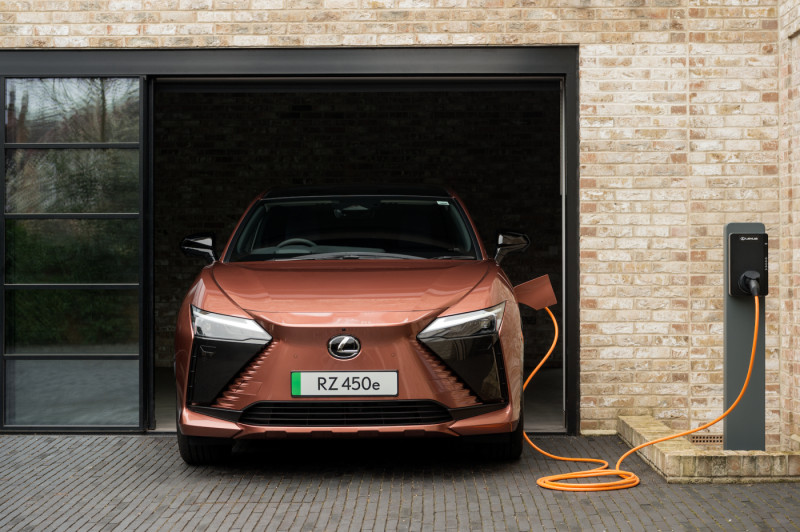
To recharge, drivers can plug into a domestic socket, although charging speeds are relatively slow. Many households choose a dedicated 7kW home charge point, while the UK's expanding public charging network provides access to much faster charging speeds.
There are also plug-in hybrid vehicles, which combine a battery and electric motor with a petrol engine. These can often complete shorter journeys using electric power alone before relying on the engine for longer trips.
Full hybrid vehicles work in a similar way but cannot be plugged in to charge. Instead, they recharge their batteries through regenerative braking and the petrol engine itself.
When people talk about electric cars in the context of cleaner transport, they are usually referring to battery electric vehicles. These produce no tailpipe emissions while driving and can help improve local air quality.
How does an electric car work?
One of the biggest differences between an electric car and a petrol or diesel vehicle is the number of moving parts involved. Rather than relying on an engine with hundreds of individual components, an electric vehicle uses a smaller number of key systems working together.
1. The battery pack
The battery pack is the heart of an electric vehicle. It stores electrical energy in much the same way as a smartphone or laptop battery, although on a much larger scale.
Most modern electric cars use lithium-ion battery technology because it offers a high energy density, relatively low weight and the ability to withstand repeated charging cycles.
Battery capacity is measured in kilowatt hours (kWh). In general, a larger battery can store more energy and support a longer driving range.
2. The electric motor
The electric motor converts electrical energy from the battery into mechanical energy that drives the wheels.
Unlike a petrol or diesel engine, which needs to build revs before delivering peak performance, an electric motor can provide strong torque almost instantly. This is one reason many electric cars feel responsive when pulling away from a standstill.
Most electric vehicles use a single motor mounted on either the front or rear axle. Higher-performance models often use two motors, one on each axle, to provide all-wheel drive.
3. The inverter
The inverter manages the flow of electricity between the battery and the motor. It converts the direct current (DC) stored in the battery into the alternating current (AC) required by many electric motors.
Without the inverter, the motor would not be able to use the energy stored in the battery effectively.
4. The charging system
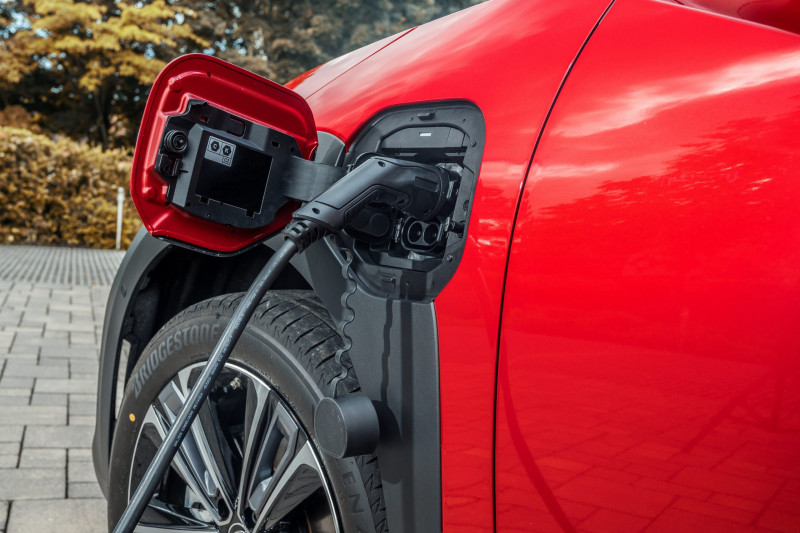
The charging system allows electricity to be transferred from an external power source into the battery. This includes the charge port, onboard charger and associated cables.
Together, these components ensure the battery can be charged safely and efficiently.
5. The control unit
The control unit acts as the vehicle's central computer. It manages energy use, acceleration, braking and other vehicle functions to ensure the car operates efficiently and safely.
What makes an electric car move?
The process is relatively simple.
When you press the accelerator pedal, a signal is sent to the control unit. The control unit tells the battery to release electricity.
That electricity passes through the inverter before reaching the motor. The motor then converts the electrical energy into rotational force, which turns the wheels.
Unlike most petrol and diesel vehicles, electric cars generally do not require multiple forward gears. Most use a single-speed transmission because electric motors can operate efficiently across a broad range of speeds.
This creates a smooth and quiet driving experience, with continuous power delivery and no traditional gear changes.
When the driver lifts off the accelerator or applies the brakes, the motor can reverse its function and generate electricity. This process is known as regenerative braking.
What is regenerative braking?
Regenerative braking is one of the technologies that helps improve electric vehicle efficiency.
In a conventional vehicle, much of the energy created during braking is lost as heat. In an electric vehicle, some of that energy can be recovered.
When the accelerator is released or the brakes are applied, the electric motor switches into generator mode. It captures kinetic energy and converts it back into electricity, which is then fed into the battery.
This process can help improve efficiency and recover energy that would otherwise be wasted.
Many electric cars allow drivers to adjust the strength of regenerative braking. In some vehicles, higher settings can enable near one-pedal driving in urban traffic, reducing the need to use the brake pedal frequently.
How do you charge an electric car?
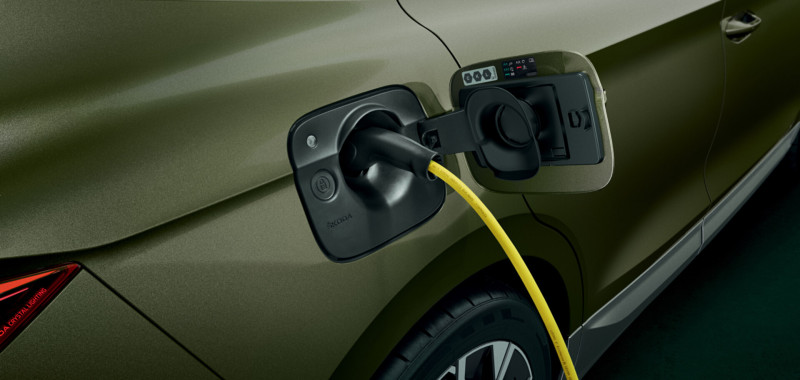
Charging an electric car is similar in principle to charging a mobile phone, although the batteries involved are considerably larger.
Charging times depend on two key factors: the size of the battery and the power output of the charger.
Home charging
For many drivers, home charging is the most convenient option.
A dedicated home charge point can recharge an electric vehicle overnight and may allow you to take advantage of off-peak electricity tariffs.
Although it is possible to use a standard three-pin plug, charging speeds are typically much slower.
Public charging
Public charging infrastructure continues to expand across the UK.
Drivers can find chargers at motorway service stations, supermarkets, public car parks, workplaces and a growing number of other locations.
Rapid and ultra-rapid chargers can add a significant amount of range in a relatively short period, depending on the vehicle's charging capability.
As a battery approaches full capacity, charging speeds naturally slow down. For this reason, many manufacturers recommend charging from around 10% to 80% when using rapid charging.
Are electric cars reliable?
Electric vehicles are generally simpler mechanically than petrol and diesel cars because they have fewer moving parts.
Many traditional maintenance items, such as engine oil changes, are not required. Routine servicing typically focuses on tyres, brakes, suspension components, cooling systems and software updates.
Service schedules vary by manufacturer, but electric vehicles often require less frequent maintenance than internal combustion engine vehicles.
Battery longevity is another area that attracts a lot of attention from drivers considering an EV. Most manufacturers provide long battery warranties, commonly covering up to eight years or around 100,000 miles.
Like any rechargeable battery, capacity can reduce gradually over time. However, complete battery failure is uncommon, and modern EV batteries are designed to last for many years of regular use.
Electric cars explained
Electric cars use electricity stored in a battery pack to power one or more electric motors. Although the technology behind them is sophisticated, the way they work is relatively easy to understand.
With fewer moving parts, lower routine maintenance requirements and access to a growing charging network, electric vehicles are becoming a practical option for more UK drivers.
Understanding how electric cars work, how they charge and how systems such as regenerative braking operate can help you make a more informed decision when comparing your next vehicle.
Find your next electric car from a trusted dealer with AA Cars


