
 Updated 22/07/2026
Read Time 5 mins
Updated 22/07/2026
Read Time 5 mins

Traditionally, horsepower has always been the one used for bragging rights in the pub, either in its pure form or as brake horsepower. Torque, meanwhile, is your car's pulling power, and it has become increasingly important with the growth in popularity of electric cars, as electric motors and internal combustion engines translate energy into motion in different ways.
Here, we explain the key differences to help you understand the context in which the two terms are constantly mentioned, and how they affect everything from acceleration and towing capacity to top speed and the overall driving experience.
Torque vs horsepower
| Term | What it means | Why it matters |
|---|---|---|
| Torque | A measure of rotational or twisting force, usually shown in Newton-metres (Nm) or pound-feet (lb-ft). | Helps a car pull away, climb inclines, haul loads and tow. It is often felt most clearly at low speeds. |
| Horsepower | A measure of power: how quickly work can be done. It is often shown as hp, PS or bhp. | Helps determine how strongly a car keeps accelerating over time, especially at higher speeds. |
| In simple terms | Torque is the force that helps get the car moving. | Horsepower is how quickly that force can be used as speed builds. |
Whether you are a car enthusiast or simply curious about what powers your vehicle, understanding the difference between torque and horsepower, as well as their roles in traditional, hybrid and electric vehicles, can make car specifications much easier to interpret.
What is torque?
Torque, in the context of vehicles and mechanical systems, is a measure of rotational or twisting force. Imagine using a spanner to loosen a bolt: the force you apply at the end of the spanner, multiplied by the length of the wrench, produces torque.
In vehicles, the engine or electric motor generates its own torque force, which turns the wheels and propels the car forward. Torque is typically measured in Newton-metres (Nm) in the metric system or pound-feet (lb-ft) in imperial units.
The higher the torque output, the greater the twisting force available to accelerate the vehicle, haul loads, or climb inclines. That is why torque is often discussed in relation to towing, off-roading, heavy loads and strong low-speed acceleration.
Torque in internal combustion engines
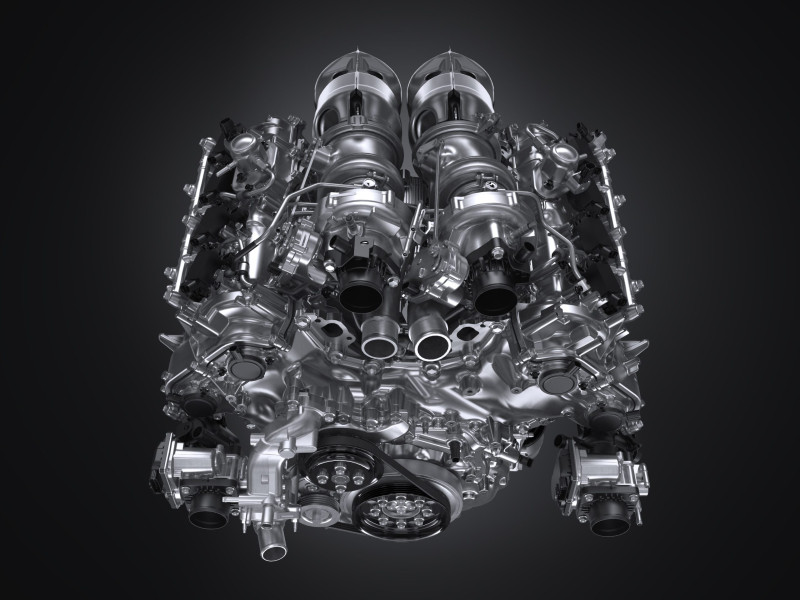
Traditional internal combustion engines (ICEs) convert the chemical energy of fuel into mechanical energy through controlled combustion. Pistons move up and down within cylinders, and this linear movement is transformed into rotational motion by the crankshaft, producing torque.
However, internal combustion engines do not deliver maximum torque at all engine speeds. Instead, they reach peak torque within a specific range of revolutions per minute (rpm). For example, many petrol engines need to operate at higher engine speeds for optimal performance, whereas diesel engines, which run at higher compression, often reach their peak torque sooner.
This is why diesel engines are often favoured for towing, off-roading and carrying heavy weights. They can deliver useful pulling power at lower engine speeds, which suits sustained heavy-load work.
Torque in electric motors
Electric motors, by contrast, can deliver strong torque from very low speeds. This means that as soon as you press the accelerator pedal in an electric vehicle (EV), you get immediate and substantial twisting force, resulting in rapid and smooth acceleration.
This characteristic is one of the primary reasons why EVs feel so responsive and lively, especially from a standstill, as you do not need to wait for the engine to reach its peak rev range.
However, one of the downsides of instant torque is that it can put extra strain on some components, such as tyres and driveshafts, which are subject to stronger, more immediate forces.
What is horsepower?
Horsepower is a measure of power rather than force, so while torque tells us how much force is available to turn the wheels, horsepower describes how quickly that can be accomplished.
While torque is what actually helps move the car, horsepower determines how fast the car can keep moving over time, especially at higher speeds. The more power you apply to the torque, the faster it can be applied.
To use the spanner analogy again, imagine the size of the forearm of whoever is turning the spanner. The stronger the forearm, the faster it will get turned, but the torque remains constant.
Horsepower, hp and bhp: what is the difference?
Horsepower (hp) and brake horsepower (bhp) are both used to describe power output, and in everyday car listings they are often treated as closely related figures. In practical buying terms, they are both there to help you understand the performance potential of the vehicle.
It is also worth remembering that the amount of power that ultimately reaches the road can be lower than the headline engine or motor figure because some energy is lost through the drivetrain before it reaches the wheels.
Horsepower in internal combustion engines
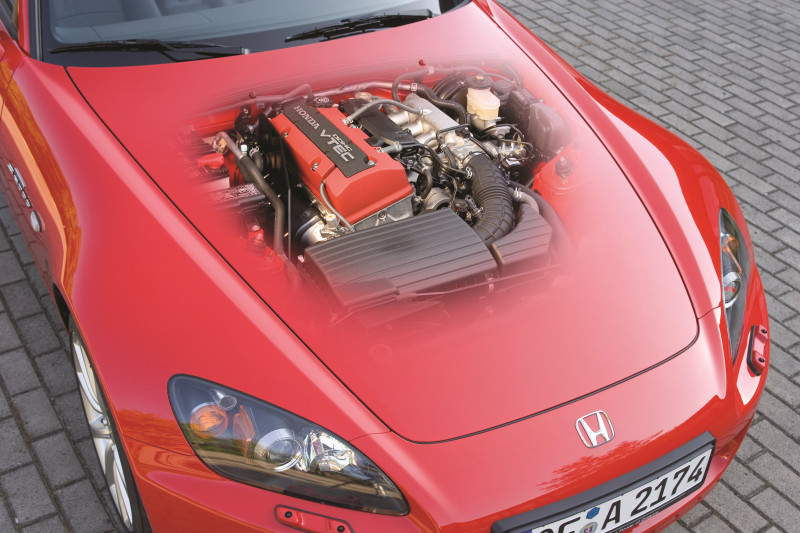
In petrol and diesel engines, maximum horsepower is typically achieved at higher rpm than peak torque. This is why sports cars, designed for high-speed performance, often have engines that rev to very high speeds: the more revolutions per minute, the greater the power output, up to a point.
The point at which maximum power is achieved differs between petrol and diesel engines due to their distinct combustion characteristics and engine designs. Petrol engines generally reach peak power at much higher rpm because they are built to operate efficiently at faster engine speeds, with combustion processes optimised for rapid movement of the pistons.
Diesel engines, on the other hand, produce peak power at lower rpm because they burn fuel more slowly and efficiently at lower speeds, thanks to higher compression ratios and longer piston strokes. This is why diesel engines tend to have a narrower power band and prefer lower revs, while petrol engines are more responsive at higher rev ranges.
Because peak power arrives at much lower revs in many diesel engines, diesel is often favoured for road haulage and other applications where large engines need to generate useful pulling power at low rpm.
Horsepower in electric motors
For electric motors, the relationship between torque and horsepower is slightly different due to the immediate delivery of torque and the flatter power curve. EVs may not need to reach high revs to achieve maximum power, which often translates into smoother and more linear acceleration compared with petrol or diesel cars.
Torque vs horsepower: side-by-side comparison
| Question | Torque | Horsepower |
|---|---|---|
| What does it measure? | Twisting force. | How quickly work is done. |
| Where do you feel it most? | Pulling away, climbing hills, towing and low-speed acceleration. | Higher-speed acceleration, overtaking and top-speed potential. |
| What units are used? | Nm or lb-ft. | hp, PS or bhp. |
| Why does it matter when buying a car? | It helps you judge pulling strength and how effortless the car may feel in everyday driving. | It helps you judge performance potential and how well the car may accelerate as speed builds. |
| Commonly associated with | Diesels, EVs, towing vehicles, 4x4s and heavy-load use. | Sports cars, performance models and high-speed driving. |
How about hybrids?
When you combine the instant torque of electric motors with the power of combustion engines, you can meld the best of both worlds.
This is why some hybrid models can feel especially responsive at low speeds while still offering strong acceleration as speed builds. Mild hybrid, full hybrid and plug-in hybrid systems all work in slightly different ways, but the basic principle is similar: electric assistance can help support the engine when extra pulling power or efficiency is needed.
| Powertrain type | How torque and power are usually delivered | What it can feel like to drive |
|---|---|---|
| Petrol | Often needs more revs to reach peak performance. | Responsive and flexible at higher revs, especially in performance models. |
| Diesel | Usually delivers strong torque at lower rpm. | Effortless when towing, carrying loads or cruising. |
| Electric | Strong torque arrives very quickly from low speeds. | Smooth, instant and quiet acceleration. |
| Hybrid | Uses an electric motor to support the petrol or diesel engine. | Can feel responsive at low speeds and efficient in everyday driving. |
If more torque is better for towing, why are many tow cars diesel and not electric?
Despite the impressive torque figures offered by electric vehicles, many tow cars are still diesel rather than electric for a few key practical reasons.
Diesel engines not only deliver high torque at low rpm, which is ideal for towing heavy loads, but they also offer long-distance range and easier refuelling compared with many current electric vehicles.
Towing with an electric vehicle can significantly reduce range due to the extra weight and aerodynamic drag. Charging with a trailer attached can also be less convenient than refuelling a diesel vehicle, particularly at busy public charging sites where bay layout, charging speed and trailer access can vary.
Moreover, diesel vehicles are often built with robust drivetrains specifically designed to handle sustained heavy loads, making them more suitable for long-distance towing in many practical scenarios. However, as both electric vehicles and the charging network evolve, more people may see the benefit in towing with an EV.
What to check before towing with any car
- Check the vehicle handbook or manufacturer plate for the car's towing limit and maximum authorised mass (MAM).
- Check the combined weight of the vehicle, passengers, luggage and trailer.
- Make sure your driving licence allows you to tow the weight you plan to carry.
- Consider whether you will be towing regularly, over long distances, or mainly for occasional short trips.
- If you are buying used, look for evidence of servicing and any signs the car has had a hard towing life.
What torque and horsepower mean when buying a used car
AA Cars allows buyers to browse used cars by fuel type, including petrol, diesel, electric and hybrid cars. That matters because torque and horsepower can feel very different depending on the powertrain you choose.
| Buying priority | Specification to pay attention to | |
|---|---|---|
| Towing or carrying heavy loads | Torque, towing limit, kerbweight and service history. | A car with strong low-down torque and the right towing rating will usually feel more controlled under load. |
| Everyday town driving | Low-speed torque, gearbox type and fuel type. | A responsive car can feel easier to drive in stop-start traffic. |
| Motorway overtaking | Horsepower, torque spread and gearbox response. | Power matters when you need the car to keep accelerating at higher speeds. |
| Performance driving | Horsepower, weight, torque delivery and traction. | A high power figure is only useful if the car can put it to the road effectively. |
| Electric or hybrid ownership | Motor output, battery range, charging needs and tyre wear. | Instant torque can feel quick, but usage pattern, charging access and running costs should also be considered. |
Torque and horsepower are closely linked, but they do not tell you the same thing. Torque is your car's pulling power. Horsepower is how quickly that power can be used over time.
For towing, load carrying and low-speed response, torque is often the figure that matters most. For top speed, high-speed acceleration and performance driving, horsepower becomes increasingly important. For most buyers, the best approach is to look at both figures together, then consider how the car will actually be used day to day.


