
 Updated 03/11/2026
Read Time 7 mins

The good news is that with our search tools here at AA Cars, it’s easy to find an extensive range of manual or automatic used cars. But if you’re not sure of which type of gearbox is best for you - and if you want to find out whether either type of setup brings greater or lower running costs - then we’ve got all of the details you need below.
Automatic gearbox vs manual gearbox: pros and cons
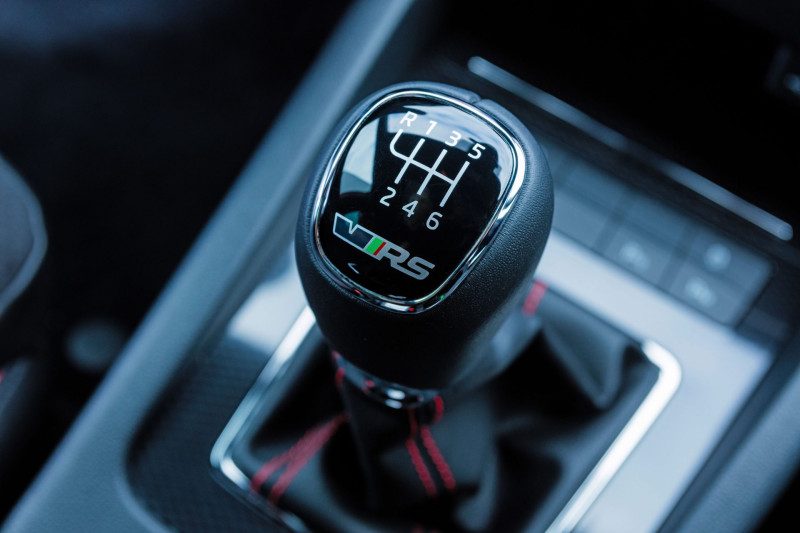
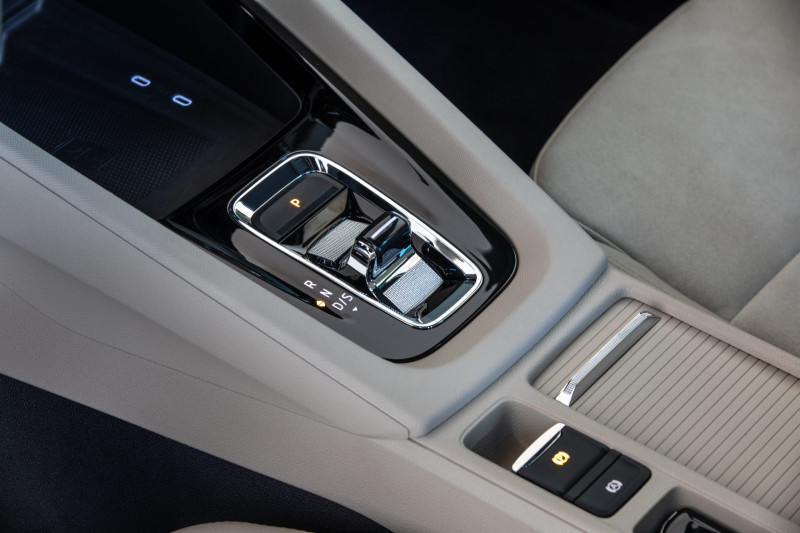
Automatic and manual gearboxes each have their advantages, depending on how and where you drive. Automatics are generally easier and more convenient, particularly in traffic, while manuals can offer greater driver involvement and may be cheaper to buy on some used-car models.
| Factor | Automatic gearbox | Manual gearbox |
|---|---|---|
| Ease of driving | Easier to drive, with no clutch pedal or manual gear changes. | Requires coordination between the clutch, accelerator and gearstick. |
| Driving in traffic | More comfortable in stop-start traffic, with less effort required. | Constant clutch use and gear changes can become tiring in congestion. |
| Fuel economy | Modern automatics can be as economical as, or more economical than, manuals. | Some manuals can deliver better fuel economy, depending on the vehicle and driving style. |
| Purchase price | Often costs more than the equivalent manual version when new. | Often cheaper to buy new or used, where both versions are available. |
| Maintenance and repairs | Some automatic gearbox repairs can be expensive and complex. | Often simpler and cheaper to repair, although clutch replacements can be costly. |
| Driving enjoyment | Smooth and convenient, but some drivers find it less engaging. | Gives the driver more direct control over gear changes. |
Purchase price differences
When it comes to purchasing, there are some differences between manual and automatic cars. More often than not, an automatic car will cost more than the equivalent manual car. This is due to the more complex design, making the as-new price of the car higher and, since automatic cars are often more desirable, this keeps prices higher as well.
You’ll be able to see this difference when looking for particular cars, too. Take a used Volvo XC40, for instance. If you look at a like-for-like model in the same trim and engine configuration, you’ll find that the automatic version commands a higher premium than the manual.
However, this method isn’t a hard-and-fast one. For instance, in the world of sports and supercars, a manual might actually be more desirable and, as a result, cost more. Early sports car transmissions weren’t the sharpest so if you’re shopping for a classic or modern classic car, you might find that you’ll have to pay a premium for a manual gearbox over an automatic one.
Running costs
Running costs do differ between gearbox types. Early on in the days of automatic gearboxes there was a large fuel economy penalty for choosing one over a manual, but today’s more modern options aren’t quite the same. In fact, many cars with an automatic gearbox can be more efficient than their equivalent manual.
If, again, we take a Volvo XC40 as an example again, then a model fitted with a 1.5-litre turbocharged petrol engine and a manual gearbox has a claimed combined fuel efficiency of up to 41.3. An equivalent automatic, meanwhile, can achieve up to 39.2, so there really isn’t much of a penalty for choosing an auto.
Maintenance/repair
Maintenance is actually the key point of difference between automatic and manual gearbox cars. Both types need regular maintenance, but it’s automatics which can cost far more if something goes wrong. This is largely due to their increased complexity.
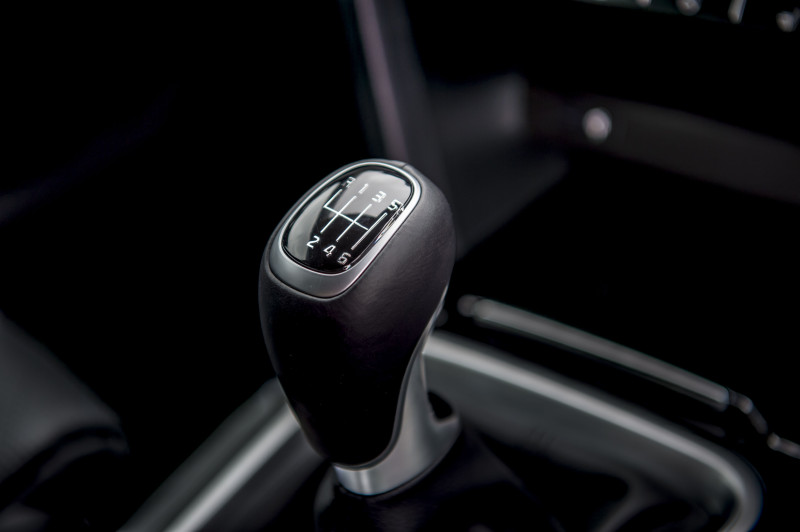
Both can be durable with the right servicing but, if it’s overall repair costs that you’re concerned about, then a manual gearbox car may be a better option - particularly if you’re looking at an older car. For example, if a manual gearbox car needs a new clutch, then you could expect a bill of between £400 and £1,000, depending on the model, or more if it’s a high-performance car.
An automatic car, in contrast, does not have a replaceable clutch plate and instead uses internal transmission packs, depending on the type of gearbox. If this fails, then you could be looking at a bill of between £1,000 and well over £2,000, again depending on the model. However, clutch packs on automatic gearboxes fail far less frequently than conventional clutch plates on a manual car, so it’s all about considering the age and mileage of a vehicle that you’re looking at.
Resale value and insurance
There are some additional factors to take into account. Because automatic gearboxes are more complex and therefore more expensive to repair, insurance premiums on them are higher. Manuals are less costly to repair and therefore cost less to insure. The difference between the two has lessened as automatics have become more commonplace, but it’s still worth running some quotes beforehand to make sure you’re getting a price that works for you.
There’s also resale value to think about. As we’ve looked at earlier, cars with an automatic gearbox tend to command a higher price than an equivalent manual car, so it’s a good idea to factor this into your overall buying plan. While an automatic car might be more expensive to purchase in the beginning, it could be worth more once you come to sell.


