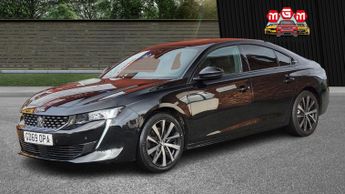
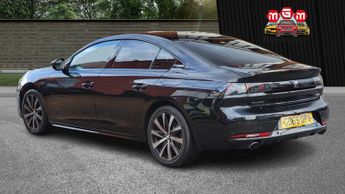
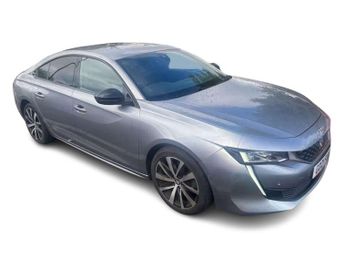
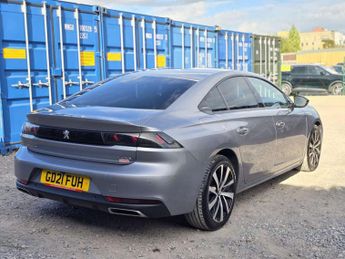
Specifications

Fuel types
Petrol, Plug-in hybrid
No of seats
5
Boot space
487 litres
Dimensions
4,750mm x 1,859mm x 1,403mm
Fuel economy
50 - 274 mpg
Acceleration (0-62mph)
7.9 - 8.1 seconds
Insurance group
22 - 33
Body style
Saloon / Estate
CO2 emissions
23 - 133 g/km
Browse 74 in stock

AA Cars review

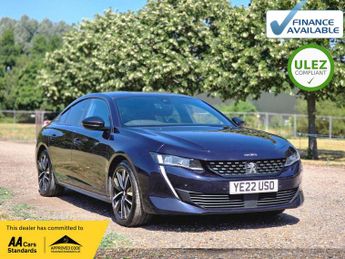
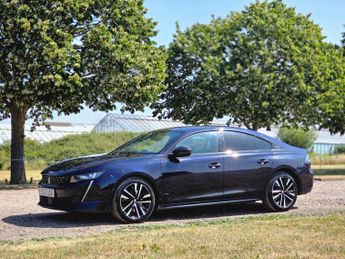
The Peugeot 508 represented a refreshing reminder that family saloons don’t have to be dull. It combines bold, eye-catching design with impressive comfort and efficiency, particularly in plug-in hybrid form. While it isn’t the sharpest drive in its class and practicality takes a slight hit compared with boxier rivals, the 508 delivers a level of style and individuality that few competitors can match.
Jack Evans
Jack Evans

Jack is an experienced motoring journalist who has been covering the latest new-car releases for the last 10 years.

Read bio

3.7/5

How much does it cost?

Given that production has now ended, Peugeot does not currently allow you to put together your own 508 using its online configurator. However, a small amount of new stock does remain unsold with dealers around the country, with prices for the basic petrol cars generally starting at around £34,000, while plug-in hybrid versions typically kick off in the mid-£40,000s. The price tag is then likely to top £50,000 for high-spec models like the PSE, although exact numbers do depend on which trim level you go for. On the used market, older second-hand examples of the current car get underway at around £8,000, although post-facelift cars – featuring Peugeot’s updated badge – start at closer to £20,000 on AA Cars. While this may seem like excellent value compared to the hefty price tags associated with buying a new car, it is worth noting that big French saloons like the 508 have historically suffered from pretty big depreciation compared to their rivals.

Engine and performance

Overview

Over the latter years of the 508’s life, Peugeot slimmed back the engines on offer, meaning the only traditional petrol setup became a 1.2-litre three-cylinder turbocharged unit producing around 130 bhp. Older versions of the car were also available with a 1.6-litre petrol engine, as well as a choice of 1.5-litre or two-litre diesels, but these editions can now only be picked up on the used market after going out of production over the course of the last five years. Elsewhere, you could also go for a choice of plug-in hybrid powertrains, both of which utilise a 1.6-litre, four-cylinder engine. This is teamed with either a single electric motor, for a combined power output of 178 bhp, or a sportier dual-motor system, which throws out a hefty 355 bhp, taking the car to a top speed of 158 mph.

Peugeot 508 performance

Out on the road

Driving the 508, you are struck by just how composed it feels. While the driving position is low, there is still good visibility out onto the road thanks to the slim dashboard design, which gives more space over to the windscreen. Around town, the car’s eight-speed automatic gearbox works well and the steering is nice and light for improved manoeuvrability. The only real drawback in urban environments comes from the car’s long bonnet and wide body, which can make it tricky to negotiate busy inner-city traffic or squeeze into tight spaces. Where the 508 really excels is on the motorway, though. Peugeot did an excellent job of keeping wind and road noise suppressed, while the soft suspension cushions out bumps in the road surface without any discomfort to those inside. Whichever engine setup you go for, the 508 feels like a very capable long-distance cruiser, with the plug-in hybrid options, in particular, offering excellent acceleration and quiet running.

Peugeot 508 on the road

Ride and handling

We all know that looks can be deceiving and that is certainly the case with the 508. While the car may look sporty and athletic, the truth is it has actually been set up far more for comfort than thrills. The ride feels smooth and stable without ever veering into floaty territory, but you could never describe it as a hard-nosed sports saloon in the mould of the Alfa Romeo Giulia, for example. When it comes to handling, the 508 is pretty tidy and predictable, but you’d struggle to call it exciting. The steering lacks a bit of feedback and there is also some noticeable body roll if you try to push things too hard through the corners. The solution to this is to drive the Peugeot how it was designed to be driven – keep things civilised and you will be rewarded with outstanding levels of comfort.

Peugeot 508 ride and handling

Interior and features

Interiors

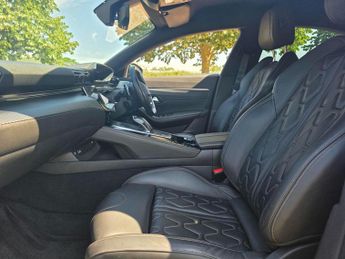
For years, Peugeot had a reputation for very bland, very forgettable cars, but more recent times have seen their designers go absolutely bonkers. That change of approach is never more clear than in the cabin of the 508, which comes crammed full of unusual touches and funky angles. There is a futuristic, two-tiered dashboard, which looks great, and an oddly small steering wheel, which is positioned fairly low into the driver’s lap. Throughout the cabin, there is a good range of soft-touch surfaces and smart metallic accents, and everything feels much more premium and well-made than in Peugeots of old. Up front, there is also a 10-inch HD screen, with striking physical buttons mounted underneath for key features.

Peugeot 508 interior

Boot space and practicality

With 487 litres of boot space, the standard 508 offers a competitive load area for a car in this class, without being anything outstanding. For those who do want additional space, the estate car takes that to 530 litres, with a wider opening making it easier to load things like luggage, shopping or pushchairs. Inside the cabin, you will find a reasonable amount of storage, including deep door bins and well-sized cupholders, but in truth, several key rivals – that are still in production – do have the 508 beaten on that front. Elsewhere, while rear passengers benefit from decent legroom, headroom in the back is more limited due to the car’s sloping roofline, resulting in a fair bit of discomfort for taller passengers seated in the back.

Peugeot 508 boot space and practicality

Features

Peugeot was generous with equipment levels across the 508 range, with even entry-level models coming with a digital instrument cluster, touchscreen infotainment system, dual-zone climate control, cruise control and a suite of safety aids. Higher trims added more premium features like a panoramic sunroof, heated and electrically adjustable seats, upgraded audio systems and advanced driver assistance technology. One major drawback can be found with the infotainment system, which buries too many functions behind pages of never-ending menus. This can be incredibly frustrating when you’re on the move, although the shortcut buttons below the screen do help out a little.

Peugeot 508 feature

Trim and colour options

From new, the 508 could be bought in Allure, GT and special edition trim levels, while PSE (Peugeot Sport Engineered) added a more sporty feel. If you are looking for the sweet spot, Allure models offer strong value with plenty of standard equipment, although new car buyers will now be significantly restricted by what stock is left available. Colour options include Pearl White, Selenium Grey, Elixir Red and Perla Nera Black.

Peugeot 508 trim and colour

Safety and reliability

During its lifetime, the 508 was one of the safest cars in its class, with the model boasting a five-star score from Euro NCAP. The judges were impressed by the car’s extensive package of safety features, including autonomous emergency braking, lane-keeping assist, driver attention alert and traffic sign recognition. Optional systems also included adaptive cruise control and lane positioning assist. As part of Stellantis, Peugeot’s reliability has improved over the years and the 508 is reported to be durable and solid, with no major issues flagged by owners. The brand also offers a competitive warranty for additional peace of mind.

Peugeot 508 safety and reliability

MPG, emissions and tax

Fuel efficiency varies significantly depending on which model 508 you go for, but official figures fall between 50 mpg for petrol cars, all the way up to 274 mpg for plug-in hybrid variants. While that latter number sounds impressive, it does rely on using electric power only and stopping regularly to recharge. CO₂ emissions start from as little as 23 g/km, resulting in very low Benefit-in-Kind tax rates. All versions of the 508 attract standard road tax rates, but top-spec cars are subject to the government’s Expensive Car Supplement, which applies to all cars priced over £40,000.

Peugeot 508 MPG, emissions and tax
Browse 74 in stock