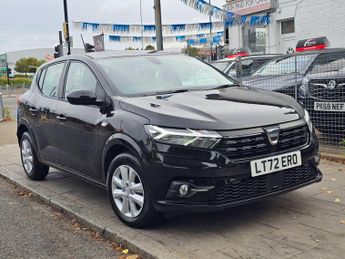
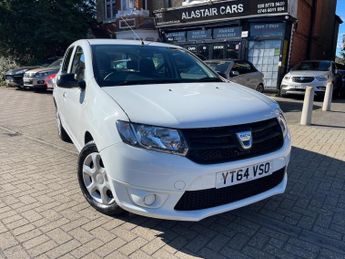
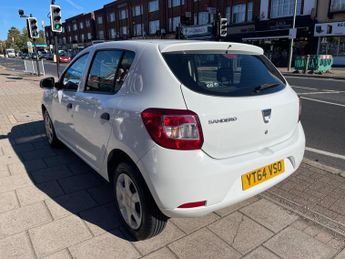
Specifications

Fuel types
Petrol, LPG (bi-fuel)
No of seats
5
Boot space
328 litres
Dimensions
4,088mm x 1,848mm x 1,499mm
Fuel economy
43 – 53 mpg
Acceleration (0-62mph)
10.0 – 12.2 seconds
Insurance group
8 – 13
Body style
Hatchback
CO2 emissions
120–137 g/km
Browse 242 in stock

AA Cars review

The current Dacia Sandero shows just how far the budget brand has come. It’s comfortable, practical and remarkably well equipped for the money, offering everything most drivers actually need and very little they don’t. While it won’t excite keen drivers, the Sandero delivers honest, affordable motoring better than almost anything else on sale today.
Jack Evans
Jack Evans

Jack is an experienced motoring journalist who has been covering the latest new-car releases for the last 10 years.

Read bio

3.7/5

How much does it cost?

Dacia has always prided itself on being able to keep costs low and the latest Sandero carries on that fine tradition. A look at Dacia’s website shows prices kicking off at £14,765 for the most basic models, making it one of the very cheapest cars currently on sale in the UK. Even the most expensive models will only set you back just over £17,000 – undercutting most rivals by several thousand pounds. The Sandero also offers exceptional value on the used market, with second-hand versions of the current car, which launched in 2021, available on AA Cars from around £7,500, with prices rising to near the £16,500 for low mileage, top-of-the-range editions. For those searching for even more value, prices for previous generation cars kick off at less than £2,000. With strong reliability and low depreciation, the Sandero represents excellent value on both the new and used markets.

Engine and performance

Overview

When it comes to the Sandero’s engine line-up, Dacia has opted to keep things simple, with no hybrid or fully electric options available. Instead, the brand offers a choice of small, cheap and economical options that are easy to maintain. Entry-level cars get a 1.0-litre naturally aspirated three-cylinder petrol unit, which produces a pokey 65 bhp. While it is by far the slowest option – with 0–60 mph taking more than 12 seconds – it is perfectly adequate for urban driving and short commutes. For buyers who do want a touch more power, there is a 1.0-litre turbocharged TCe engine, which produces either 90 bhp in petrol form or 100 bhp when paired with Dacia’s bi-fuel LPG system. This unit has a 0–60 time that is closer to 10 seconds and is far more comfortable at motorway speeds. Regardless of which set-up you go for, all cars are front-wheel drive, with a choice of manual gearboxes across the range and an automatic option available on higher specifications.

Dacia Sandero performance

Out on the road

The Sandero does exactly what it says on the tin and offers the driving experience that you would expect from a budget-focused supermini. Around town, it feels easy to drive and highly manoeuvrable, thanks to its light steering and good visibility. When you leave town, Sandero largely remains composed at higher speeds, although the cheap price point does mean you have to accept one or two drawbacks. Wind and road noise are more noticeable than in costlier rivals and getting up to speed can take a fair while. Having said that, the more powerful engine especially feels more comfortable than you might expect and the strain which dogged old Sanderos now seems to be a thing of the past.

Dacia Sandero on the road

Ride and handling

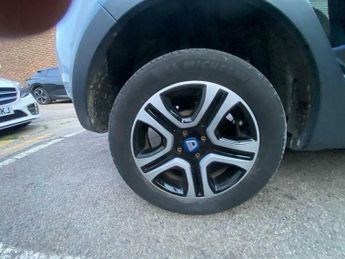
There are a lot of words you could use to describe the ride and handling of the Sandero but sporty certainly isn’t one of them. Dacia has put a premium on comfort over excitement and, while that may be a disappointment to driving enthusiasts, to most buyers this is absolutely the right call. The car’s soft suspension is excellent at soaking up the usual array of potholes, speed bumps and poor road surfaces, even on higher spec cars with larger wheels. Overall, the handling feels mostly safe and secure but never particularly engaging. On bendy country roads, there is noticeable body roll through the corners and the feather-light steering does not offer the feedback of more action-focused options. Despite this, the car does feel grippy for the most part, offering relaxed and comfortable motoring.

Dacia Sandero ride and handling

Interior and features

Interiors

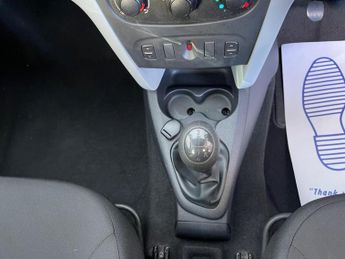
The cabin is where a lot of budget cars come unstuck and this was certainly the case in Dacias of old, where cheap materials and poor levels of tech were pretty much par for the course. These days, however, things have started to change. While there are still quite a few scratchy plastics, the car feels significantly more modern and durable than what has gone before. Dacia has leaned heavily on its parent company – Renault – to produce a clean, functional cabin that borrows heavily from some of Renault’s more expensive models. For a car of its size, the Sandero also offers an outstanding level of interior space. Those travelling in the front two seats benefit from plenty of head and legroom, while room in the back is also better than a number of other cars in this class.

Dacia Sandero interior

Boot space and practicality

Dacia has always aimed to put practicality at the heart of its cars and with 328 litres of boot capacity, the Sandero is no exception. The space is larger than most of its key rivals and is well-suited to everyday use, thanks to its wide opening and low loading lip, which are particularly useful when it comes to getting bulkier items into the rear. There is also plenty of storage space in the cabin itself, where you will find deep door bins, cupholders and a generous glovebox.

Dacia Sandero boot space and practicality

Features

As we’ve already touched on, old Dacias were about as luxurious as a public convenience but recent years have seen more high-end touches added here and there. While not crammed full of all the latest tech, the brand has listened to what matters most to its customers and invested accordingly. As a result, even the most basic Sandero models get LED daytime running lights, cruise control, electric front windows and a comprehensive suite of safety features. Move up the trim levels and you’ll find air conditioning, rear parking sensors, a reversing camera, keyless entry and an 8-inch touchscreen infotainment system with Apple CarPlay and Android Auto. While the system may be a little basic and laggy at times, it certainly represents an upgrade on previous Dacias.

Dacia Sandero feature

Trim and colour options

The Sandero is available in three main trim levels, ranging from the most basic ‘Essential’ model to the mid-level ‘Expression’ and range-topping ‘Journey’. With prices so low, it is well worth pushing the boat out and going for the most expensive Journey, which offers the best tech, comfort and engines. When it comes to colour choices, the Sandero is available in Glacier White at no extra cost. The car can also be made up in Iron Blue, Shadow Grey, Sandstone, Amber Yellow, Cedar Green or Urban Grey, each of which cost an additional £650.

Dacia Sandero trim and colour

Safety and reliability

Dacia has worked hard over recent years to improve its performance when it comes to safety – an area it has struggled in traditionally. Despite this, it is perhaps unsurprising that a car so much cheaper than its rivals continues to lag behind. The car has a relatively poor two-star score from Euro NCAP, despite a much-improved level of safety equipment. Standard features include autonomous emergency braking, lane keeping assist, traffic sign recognition and multiple airbags. Elsewhere, reliability does remain a strong point, largely thanks to Dacia’s use of simple components that are reliable and cheap to fix if things go wrong. Owner feedback remains largely positive on this front and servicing and repair costs also rank among the lowest in the segment.

Dacia Sandero safety and reliability

MPG, emissions and tax

Unsurprisingly for a car so doggedly focussed on keeping costs low, the Sandero offers excellent fuel efficiency, regardless of which engine you decide to go for. Official figures range between 43 mpg and 53 mpg with LPG bi-fuel versions achieving particularly impressive numbers. CO2 emissions range from around 120 to 137 g/km, keeping road tax costs modest as well.

Dacia Sandero MPG, emissions and tax
Browse 242 in stock