
 Updated 03/11/2026
Read Time 6 mins

However, there are some key questions that remain around electrified vehicles, including if these cars are automatic and whether their transmissions are different to those in regular combustion-engined cars. We’ve been finding out more.
Are all electric cars automatic?
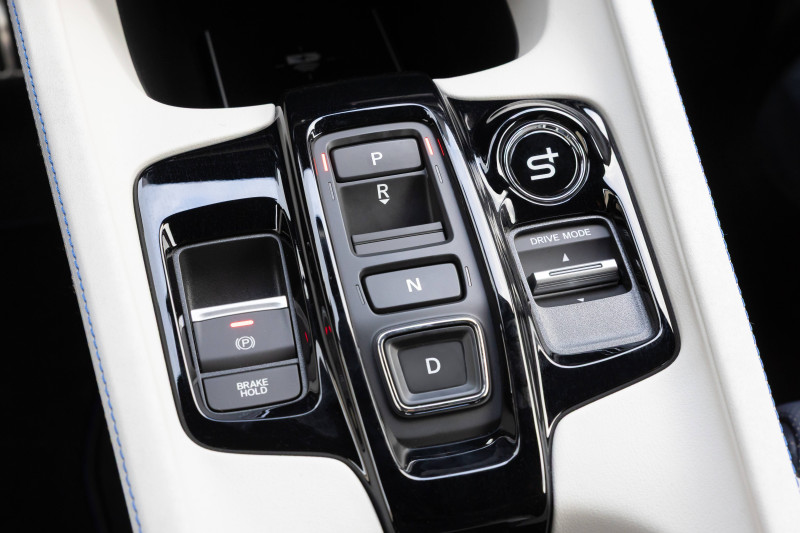
Yes, all electric cars are automatic. Electric motors are capable of delivering all of their power immediately, which means that multiple gears aren’t necessary in most cases. There are some exceptions; Audi’s e-tron GT and Porsche’s Taycan, for example, have a two-speed automatic gearbox, with a shorter first ratio for instant acceleration and a second, longer ratio there for maintaining progress at greater speeds. However, they’re both classed as automatic.
In all other cases, electric cars use a single-speed transmission which allows them to deliver all of the torque from the motor instantly. It also makes them very easy and user-friendly to drive.
Are all hybrid cars automatic?
Not all hybrid cars are automatic. Mild-hybrids, which use a very small electric motor and a compact battery, can sometimes use a manual gearbox. Because the electric motors in mild-hybrids only provide a small amount of assistance to the engine - and cannot drive the wheels on their own - they can use the same basic drivetrain as a standard combustion-engined car. This includes the gearbox.
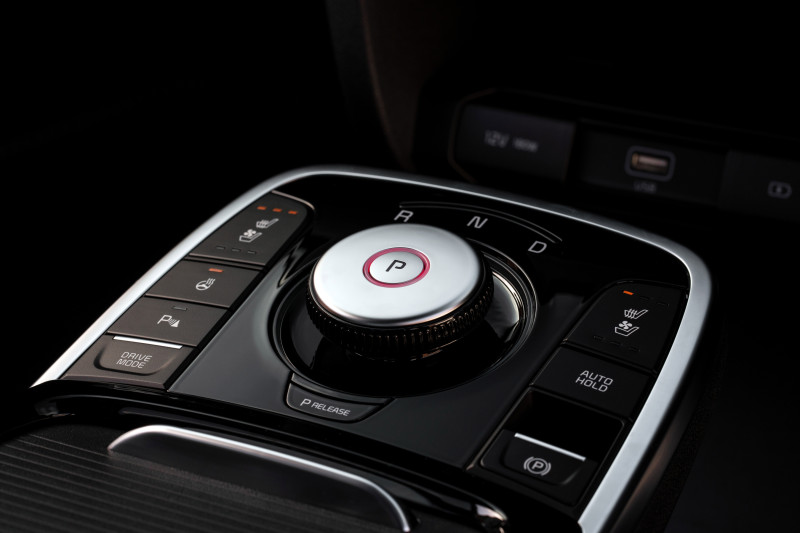
However, ‘self-charging’ or plug-in hybrids will use either an automatic or CVT gearbox. This is largely down to the complexity of the electrified side of things, with an on-board computer deciding when the car should run on petrol or electric power. If there were a manual gearbox in the middle of this, it would be too complicated, so having an automatic makes the transition between combustion-engined and electric power easier to manage.
Why most EVs are single-speed and effectively automatic?
Most electric cars are single-speed and effectively ‘automatic’ because the motors that they use don’t require multiple gears in order to transfer their power to the wheels. A single-speed is, in most instances, more than enough to get a car up to speed. Plus, because of the instant delivery of torque, electric motors could prove too much for a ‘conventional’ gearbox to deal with.
Hybrids: different systems
Hybrids use a broader range of gearboxes compared with an electric car. However, aside from relatively simple mild hybrids, nearly all use an automatic. There are some differences within those automatic gearboxes, however.
E-CVT
An E-CVT is a gearbox designed specifically for hybrids. Unlike a conventional CVT gearbox which uses belts and pulleys, an E-CVT replaces these for software and planetary gears. Linked with electric motors, an E-CVT will constantly monitor speed and engine power to pick the ideal gear ratio for that moment. Like a ‘regular’ CVT, an E-CVT is designed to offer seamless acceleration and the ability to keep the engine in the best power band at all times. It just does this without the need for physical belts and pulleys.
Many hybrids also use a conventional CVT gearbox which uses belts and pulleys to keep the engine in the right power band during all areas of driving.
Traditional automatic
Very few hybrids use a traditional ‘stepped’ automatic gearbox, instead choosing an E-CVT, CVT or dual-clutch gearbox. However, there are some outliers; the Renault Clio E-Tech and Captur E-Tech, for instance, use a ‘dog-style’ gearbox with mechanical steps for a more ‘traditional’ feel. Some Hyundai and Kia hybrids also use a more conventional six-speed automatic gearbox.
Dual Clutch Transmissions
Again, a little like conventional stepped automatics, some hybrids do use a dual-clutch transmission but it’s not commonplace. However, when it is used, a small electric motor is usually housed within the gearbox itself to help when driving at low speeds while also filling in the ‘gaps’ of torque to make acceleration smoother. You’ll find this system in cars like the Volkswagen Golf eHybrid, and later eHybrid models in general.
Manual
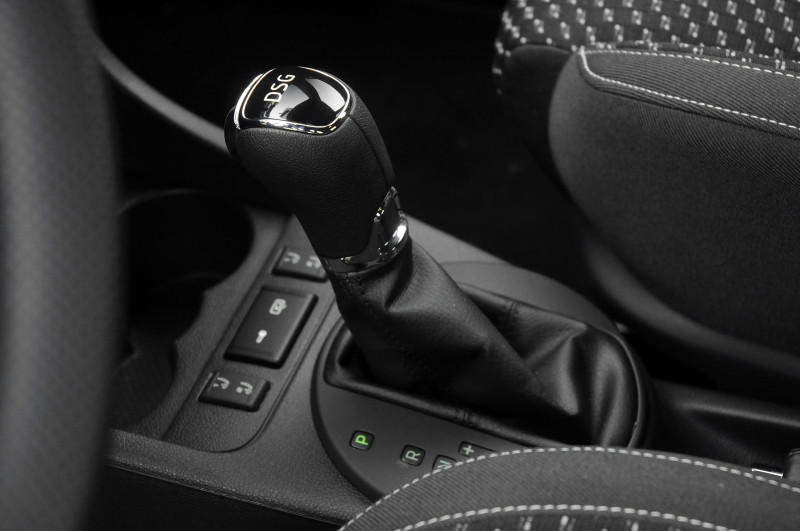
It’s mainly mild-hybrid cars which are available with a manual gearbox. This is down to the less complex nature of this electrification system, which allows these hybrids to use a manual gearbox. Examples include the mild-hybrid Ford Puma and the Kia Stonic mild-hybrid.
What does “automatic” mean in EV/hybrid context?
Automatic in a hybrid can be slightly different to a ‘conventional’ automatic gearbox in a standard combustion-engined car. For one, the most common type of gearbox used in a hybrid is an e-CVT or CVT, and neither of these are like a ‘conventional’ automatic gearbox since they are, in effect, single speed. They won’t change gears, but simply use a power band to keep the car going forwards.
It’s the same story in electric cars, since none of these are manual. These are often only single-speed too, aside from the outliers as mentioned earlier.
The good thing about automatic hybrid and electric cars is that they bring an easy driving experience that is great for around town, or for if you’re queuing in traffic.


