
 Updated 03/09/2026
Read Time 8 mins
Updated 03/09/2026
Read Time 8 mins

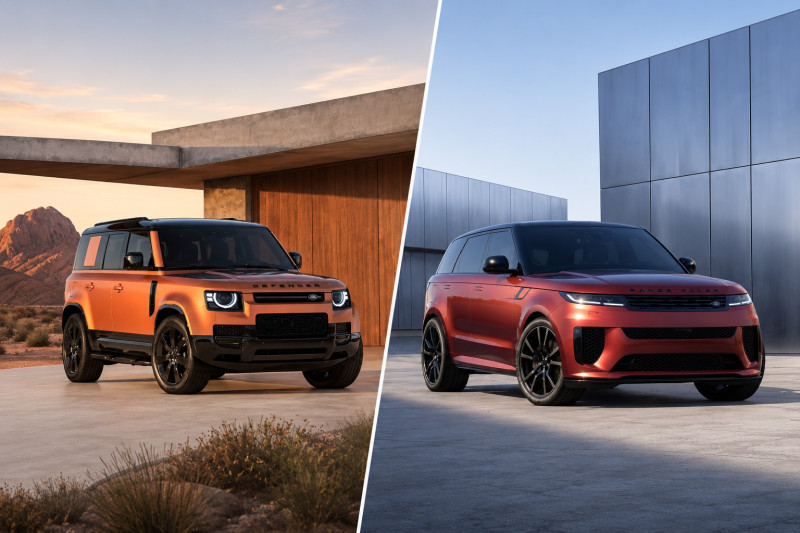
But for used car buyers, the difference matters. Land Rover puts practicality, durability and off-road ability at the centre of its cars. Range Rover takes that same go-anywhere foundation and adds a stronger focus on luxury, design, comfort and prestige.
That overlap can make choosing between them difficult. Some Land Rover models feel impressively refined, and Range Rover models are still more capable off road than many luxury SUVs. The key is understanding how you’ll use the car, what you value most, and where your budget sits.
In this guide, we explain the real difference between Land Rover and Range Rover, compare the main models, and look at which one is likely to suit your lifestyle best.
Land Rover and Range Rover: quick comparison
| Area | Land Rover | Range Rover |
|---|---|---|
| Main focus | Practicality, toughness and off-road ability | Luxury, comfort, design and premium refinement |
| Typical models | Defender, Discovery and Discovery Sport | Range Rover, Range Rover Sport, Evoque and Velar |
| Best for | Towing, outdoor life, family versatility and rougher terrain | Comfort, technology, status and refined everyday driving |
| Interior feel | More functional, hard-wearing and practical | More luxurious, polished and design-led |
| Used buying consideration | Check towing use, off-road wear and service history | Check running costs, electronics, options and service history |
Who are Land Rover?
Land Rover was founded in 1948 and remains strongly associated with toughness, practicality and genuine off-road ability. Its story began with the original Series I, a vehicle designed for utilitarian work on farms, in the countryside and in challenging conditions.
Modern Land Rovers are far more comfortable and refined than those early models, but that durable DNA still shapes the brand. A Land Rover is usually the right place to start if you want a premium SUV that can carry family kit, tow confidently, cope with muddy tracks or feel at home in rural settings.
The present-day Land Rover line-up is centred on the Defender, Discovery and Discovery Sport. The Defender stays closest to the brand’s roots, combining rugged styling with modern off-road technology and a functional, versatile interior. The Discovery and Discovery Sport are more family-focused, with spacious cabins, flexible seating and a more comfort-led approach.
Overall, Land Rover vehicles are designed to be functional first. If you need a car for towing, outdoor hobbies, family duties or rougher surfaces, Land Rover is likely to make more sense than Range Rover.
Who are Range Rover?
Range Rover sits within the wider Land Rover family, but it has a different job. It puts luxury, comfort and refinement front and centre.
The original Range Rover appeared in 1970 and helped create the idea of the luxury off-roader. Today, the range has expanded to include the flagship Range Rover, the more athletic Range Rover Sport, the compact Evoque and the sleek Velar.
Whichever model you choose, the Range Rover focus is clear. These cars are designed to feel calm, refined and premium, with high-end materials, advanced infotainment and a smoother driving experience. They can still deal with difficult terrain, but they’re also built to feel at ease on motorways, outside hotels and on everyday family journeys.
If Land Rover is the more practical and utility-focused side of the brand, Range Rover is the more polished and luxurious side. It’s the better fit if you want a premium SUV that feels special every time you get in.
Luxury vs utility: where the biggest difference sits
Land Rover and Range Rover share heritage, engineering knowledge and off-road credibility, but they serve different priorities.
Land Rover designs its cars with practicality in mind. In models such as the Defender and Discovery, the cabin often favours hard-wearing materials, useful storage and a layout that can cope with family use, outdoor kit and rougher work. These cars are built to feel capable and dependable.
Range Rover takes a more luxury-focused approach. You can expect a quieter cabin, more comfort features, a stronger emphasis on design and a more premium choice of materials. A Range Rover will usually feel smoother and more refined, especially on longer journeys.
That doesn’t mean Land Rover models feel basic, or that Range Rover models can’t manage difficult conditions. The difference is about emphasis. Land Rover puts ability first. Range Rover puts luxury first.
Design and interior quality
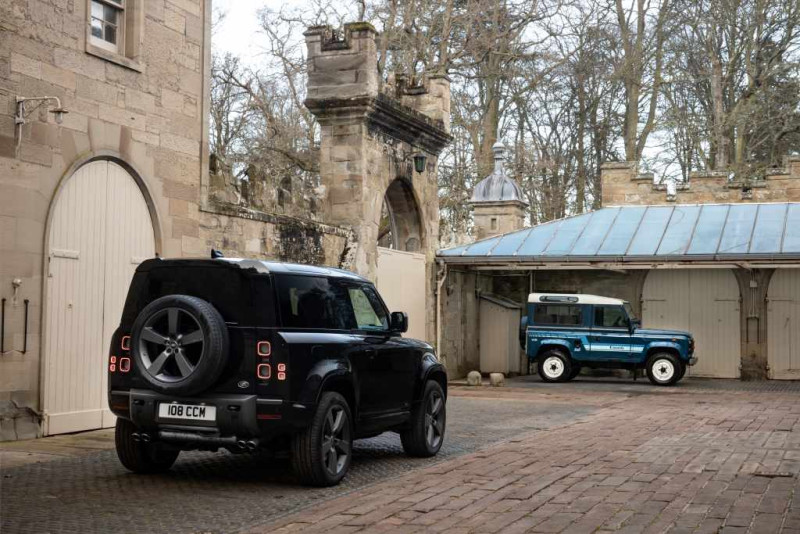
Land Rover styling is generally more functional. The Defender, for example, has a square, rugged look that reflects its off-road purpose. The Discovery is more rounded and family focused, while the Discovery Sport is the most compact and accessible of the group.
Inside, Land Rover cabins are usually designed to be practical and easy to use. You’ll still find modern screens and premium touches, but the overall feel is more work-ready than showy.
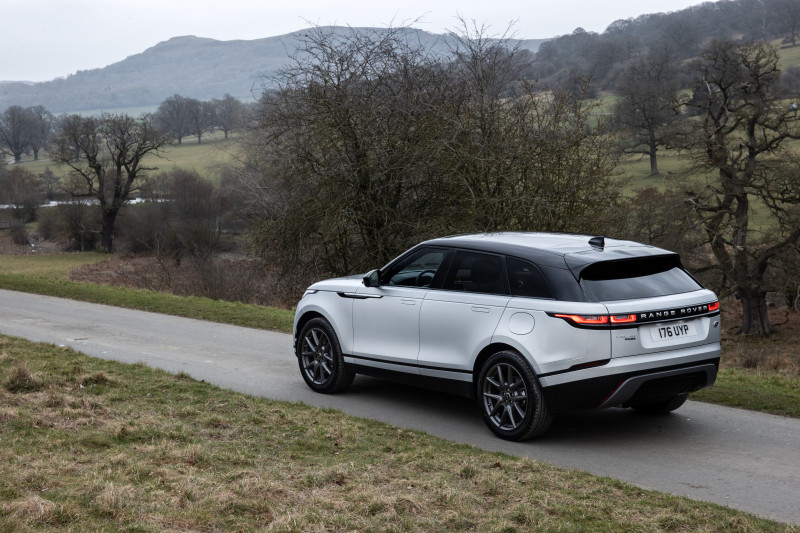
Range Rover design is more polished. The flagship Range Rover has a clean, imposing shape, while the Range Rover Sport feels more dynamic. The Evoque is more fashion-led, and the Velar has a sleeker, more coupe-like look.
Inside a Range Rover, the emphasis is on comfort, calm and quality. Higher-spec models can include soft-touch materials, leather trim, ambient lighting, premium audio and advanced driver assistance systems. The cabin is often one of the main reasons buyers choose Range Rover over Land Rover.
Driving experience and off-road ability
Land Rover models are built around capability. Defender and Discovery models are designed for drivers who may tow, travel across muddy fields, head off road or carry heavy kit. Four-wheel-drive systems, strong ground clearance and useful off-road technology are central to their appeal.
The Defender is the clearest example. It brings rugged looks, strong towing ability and modern technology designed to help when conditions become more demanding.
Range Rover models are still highly capable, but their day-to-day character is more refined. They feel smooth, quiet and comfortable, with a greater focus on keeping passengers relaxed. This makes a Range Rover particularly appealing if most of your driving is on roads, but you still want the confidence of a luxury SUV that can cope when the weather or surface changes.
If you regularly head off road, tow heavy loads or need maximum practicality, Land Rover is the natural choice. If you mostly drive on roads and want a more luxurious experience, Range Rover is likely to suit you better.
Practicality and family use
Land Rover has a strong practicality advantage in several areas. The Discovery and Discovery Sport are particularly useful for families, with flexible seating and plenty of room for passengers and luggage. The Defender is also highly versatile, with a cabin that suits outdoor lifestyles and active families.
Range Rover models can also be very practical, especially the larger Range Rover and Range Rover Sport. However, practicality is not always the main focus. In models such as the Evoque and Velar, style and design can take priority over outright load space.
For families, the right choice depends on what you carry. If your car needs to handle sports equipment, dogs, camping kit, muddy boots or regular towing, a Land Rover is likely to feel more suited to the job. If you want a spacious premium SUV that makes everyday trips and longer journeys feel more relaxed, a Range Rover may be the better fit.
Technology and comfort
Both Land Rover and Range Rover models can come with strong technology, but Range Rover usually has the edge for luxury features.
Depending on model year and specification, both brands may offer digital displays, smartphone connectivity, premium audio, parking cameras, adaptive cruise control and advanced driver assistance systems. Range Rover models tend to add a more premium feel to the way these features are presented, with larger displays, higher-end materials and more comfort-focused options.
When buying used, specification can vary significantly. Two cars of the same age can feel very different depending on trim level and optional extras. Before you buy, check the exact equipment fitted to the car, not just the model name.
Running costs and used buying considerations
Both Land Rover and Range Rover sit at the premium end of the market, so running costs are an important part of the decision. Fuel, tyres, insurance, servicing and repairs can all cost more than they would on a smaller or more mainstream SUV.
Range Rover models are typically more expensive to buy and run than Land Rover models. This reflects their higher list prices, luxury equipment and more complex options. Insurance, servicing and repair costs can also be higher, particularly on larger or higher-spec models.
Land Rover models can be slightly more accessible, but you should still buy carefully. If a vehicle has been used for towing or off-road driving, check for signs of wear, review the service history and look closely at the underside, tyres, suspension and brakes.
For either brand, a full service history matters. It’s also worth checking the vehicle’s history and considering an independent inspection before you commit, especially on higher-value used SUVs.
Which is cheaper to buy used?
Land Rover models are generally positioned as the more accessible route into this part of the JLR line-up, although values vary depending on model, age, mileage, engine, trim and condition.
Range Rover models usually sit higher in the market. Flagship Range Rover and Range Rover Sport models can command strong used prices, while Evoque and Velar models may be more attainable for buyers who want the Range Rover badge in a smaller package.
The used market gives you more choice across both brands. You may find that a higher-mileage Range Rover overlaps in price with a newer Land Rover model, so it’s worth comparing like for like. Look at condition, service history, specification, running costs and how the car fits your life, not just the badge.
Land Rover or Range Rover: which should you choose?
There is no single right answer. The best choice depends on how you plan to use the car.
Choose Land Rover if you want a practical, capable SUV with strong off-road ability, useful load space and a more functional character. It’s a strong fit for active families, rural drivers, caravanners and anyone who needs a vehicle that feels ready for tough jobs.
Choose Range Rover if you want more luxury, refinement, comfort and design appeal. It’s the better fit if you value a premium cabin, a quieter drive and a stronger sense of occasion, while still keeping the reassurance of genuine SUV capability.
Both brands have plenty to offer. Land Rover is about utility and ability. Range Rover is about luxury and refinement. Work out which matters most to you, then compare real used examples carefully before you buy.
Buying a used Land Rover or Range Rover with AA Cars
AA Cars can help you compare used Land Rover and Range Rover models from trusted dealers across the UK. Many listings include 12 months’ free breakdown cover, or a discounted upgrade if you’re already an AA member, giving you extra confidence when choosing your next car.
Before buying any used premium SUV, check the service history, review the MOT record, inspect the car carefully and take a proper test drive. For extra reassurance, you can also use The AA’s used car checklist or arrange an AA vehicle inspection before you buy.


