
 Updated 22/06/2026
Read Time 7 mins
Updated 22/06/2026
Read Time 7 mins

You should not just buy the first car you see that takes your fancy without looking at it properly or taking a test drive where possible. This step-by-step guide explains how to buy a car in the UK, what to check before you agree a deal, and how to get the best deal for your money.
Quick checklist: what to do before buying a car
| Step | What to check | Why it matters |
|---|---|---|
| 1. Set your budget | Up-front price monthly payments insurance VED MOT fuel and maintenance | Helps you avoid committing to a car you cannot comfortably afford |
| 2. Choose new or used | Depreciation warranty condition history and total ownership cost | Clarifies whether a new nearly new or used car offers better value |
| 3. Compare finance options | Personal loan HP PCP or leasing plus deposits and total repayments | Makes the true cost of the car easier to compare |
| 4. Shortlist the right type of car | Size reliability fuel economy safety technology and future needs | Ensures the car suits your day-to-day life and longer-term plans |
| 5. View and test drive | Bodywork warning lights engine noise brakes steering and electronics | Reduces the risk of buying a car with hidden problems |
| 6. Negotiate and complete paperwork | Market price V5C MOT service history tax insurance and payment method | Protects you legally and financially before collection |
1. Set your budget before you start looking
Before stepping into a dealership or browsing online listings, it is essential to determine how much you can realistically spend. Your budget should cover the full cost of buying and running a car, not just the headline purchase price.
Buying a car can be a substantial financial commitment. It is easy to get carried away with a few extra pounds here and there added to an options list or onto a finance agreement. To avoid heartache, know your budget in advance and be very strict on yourself.
Car ownership costs to include in your budget
| Cost | What to consider |
|---|---|
| Up-front cost | The purchase price deposit delivery charges and any optional extras. |
| Finance payments | Monthly repayments interest rates deposit requirements and total amount repayable if you are not buying outright. |
| Car insurance | Costs can vary significantly based on your age driving experience and the model you choose. |
| Vehicle Excise Duty (VED) | Annual road tax which should be factored into your running costs. |
| Maintenance and servicing | Routine maintenance repairs tyres and servicing over the time you expect to own the car. |
| MOT testing | MOT costs for vehicles over three years old plus the cost of fixing any issues. |
| Fuel or charging | Petrol diesel or electricity costs based on your mileage and driving pattern. |
2. Decide whether to buy a new car or a used car
Your budget may answer this question for you, but once you know what you can afford to spend, you can look at your options. The right choice depends on how you plan to pay, how long you want to keep the car, and how much risk you are comfortable with.
New cars: benefits and considerations
New cars provide the allure of the latest technology, full manufacturer warranties and the peace of mind that comes from knowing your vehicle's history. However, they tend to depreciate rapidly, with the greatest loss in value typically occurring within the first two to three years.
Used cars: benefits and considerations
Used cars may appear cheaper, especially if you are buying outright, and a used car can save you thousands. However, buying used is not always automatically the cheaper route when you compare monthly costs through PCP, hire purchase or leasing.
Used cars can also carry more risk depending on the age, mileage and condition of the vehicle. You will need to be more thorough in checking the car's condition and history. Certified pre-owned vehicles from reputable dealers can offer a good compromise, often including their own warranties and inspections.
| Option | Main advantages | Main considerations |
|---|---|---|
| New car | Latest technology full manufacturer warranty known history and lower immediate risk. | Higher purchase price and rapid depreciation especially in the first two to three years. |
| Used car | Lower up-front cost when buying outright and potential to save thousands. | Condition mileage previous ownership service history and hidden faults need careful checking. |
| Leasing | Generally lower monthly costs and access to newer cars. | You will never own the car outright and must follow mileage and condition terms. |
3. Explore car finance options carefully
First, ask yourself if you really need finance. If you want to use finance to splash out a bit on a better car, consider whether you can really afford it, especially if your financial situation may change in the near future.
You can choose from personal loans, hire purchase (HP), personal contract purchase (PCP) or leasing. Each option comes with its own advantages and drawbacks. Compare interest rates, deposit requirements, monthly payments and total repayments carefully before making a decision.
| Finance option | How it works | Key point to check |
|---|---|---|
| Personal loan | You borrow money separately and use it to buy the car. | Check the interest rate monthly repayment and full loan term. |
| Hire purchase (HP) | You usually pay a deposit make monthly payments and own the car once the agreement is complete. | Check the total amount repayable and whether the monthly payments fit your budget. |
| Personal contract purchase (PCP) | Often has lower monthly payments with options at the end of the term. | A balloon payment is required if you wish to own the car outright at the end. |
| Leasing | You pay to use the car for an agreed term but do not own it. | Check mileage limits condition rules and end-of-contract costs. |
Also consider whether anything is likely to change soon, such as your employment status, income, commute or a house move. A finance agreement should still feel manageable if your circumstances shift.
4. Choose the type of car you want
There is a good chance you will own your car for a number of years, so once you have pinned down your budget, it is time to pick the type of car you want. Start by researching makes and models that align with your needs, preferences and future plans.
It is no good buying a sports car, for example, if you are planning on starting a family. Equally, a gas-guzzling large car may not be ideal if you think you might look at jobs further away from home in the near future.
Factors to compare when shortlisting cars
- Fuel economy and running costs, including petrol, diesel or charging needs.
- Reliability and maintenance expectations over the time you plan to own the car.
- Size, boot space, seating and practicality for your household or lifestyle.
- Safety ratings and driver assistance features.
- Brand image, technology, infotainment and comfort features.
- Design, colour and other emotional factors once the practical criteria are met.
Reading owner forums and reviews can also provide real-world insight into how different models perform over time. With a shortlist of cars, you can then move from research to viewings and test drives.
5. View the car and take a test drive where possible
Historically, it was rare for people to buy a car without seeing it or test driving it, but the rise in online retail means this is more common than before. If you do take that approach, use a reputable seller and check previous customer reviews.
If you buy from an AA Cars trusted dealer, you also get the benefit of a free history check and 12 months' breakdown cover, as well as knowing you are buying from a reputable source.
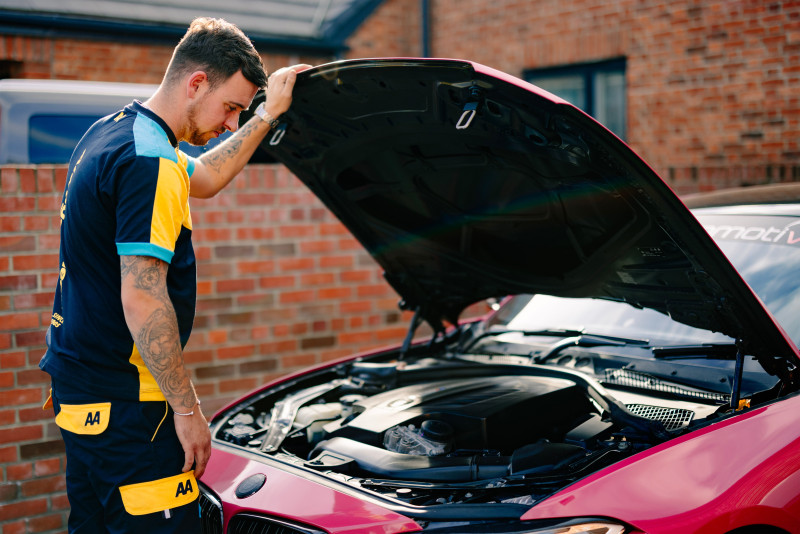
It is still good practice, if you can, to view and test drive a potential purchase, especially if it is a used car. Arrange to view it in daylight and preferably in dry weather, so you can inspect the bodywork properly.
Used car viewing and test drive checklist
| Area to inspect | What to look for |
|---|---|
| Bodywork | Rust scratches dents uneven panel gaps or signs of previous accidents. |
| Engine and gearbox | How the engine sounds how smoothly the car pulls away and whether there are unusual noises. |
| Brakes and steering | Whether the brakes feel strong and consistent and whether the steering feels stable. |
| Dashboard | Warning lights that stay illuminated after the car starts. |
| Electronics | Windows air conditioning infotainment mirror adjustment and heated rear windows. |
| Documentation | V5C logbook MOT record and service history. |
6. Negotiate the price
Once you are satisfied with the car and its condition, it is time to discuss the price. Dealers and private sellers both generally expect a degree of negotiation, especially with used cars or if you have spotted minor faults.
Do your research beforehand on the average market price for the model in question, and do not be afraid to put forward a lower offer. Be respectful but firm. If the seller does not accept your offer, they are not obliged to go through with the deal, and nor are you.
7. Complete the paperwork, make payment and take delivery
Once the price is agreed, the next step is to ensure all legal paperwork is completed accurately. For new cars, dealerships usually handle registering your ownership and provide you with the new keeper's details.
For used cars, make sure the V5C logbook is updated with your information and that you receive a bill of sale. It is illegal to drive a car you are not insured to drive in the UK, so arrange your insurance before collecting the vehicle. You also need to tax it before using it on the road, which you can do online using the new keeper supplement, commonly known as the green slip, from the V5C.
Use secure payment methods to protect both yourself and the seller. Bank transfers are common and traceable, while finance agreements are typically handled by the lender. If buying outright, consider using a credit card, as this can offer a level of buyer protection even if you pay it off immediately.
When is the best time to buy a car in the UK?
March and September are significant months in the UK automotive calendar because they mark the introduction of new registration plates. Dealers often discount previous models or existing stock to make way for new arrivals, which means buyers can find attractive deals on brand-new and nearly new cars. If you are looking for the best selection and bargain opportunities, these months are worth targeting.
The end of financial quarters and year-end are also good times to get a deal. Larger dealers tend to work on a quarterly target basis, closing sales cycles at the end of March, June, September and December. Sales teams are frequently motivated to meet or exceed targets, so they may offer extra incentives, discounts or added perks to close deals at these times.
| Timing | Why it may help |
|---|---|
| March and September | New registration plates arrive so dealers may discount previous models or existing stock. |
| End of March June September and December | Quarter-end sales targets can create room for incentives discounts or added perks. |
| Year-end | Dealers may be closing annual targets and clearing stock. |
Buying a car in the UK: frequently asked questions
What should I check before buying a used car?
Check the bodywork, engine, brakes, steering, dashboard warning lights, electronics, V5C, MOT record and service history. A test drive and daylight viewing are especially important for used cars.
Is it better to buy a new or used car?
A new car offers the latest technology, a full manufacturer warranty and known history, but it usually depreciates quickly. A used car can save money, especially when buying outright, but its condition and history need closer inspection.
What car finance options are available in the UK?
Common options include personal loans, hire purchase, personal contract purchase and leasing. Compare monthly payments, deposits, interest rates and total repayments before deciding.
Can I drive a car home after buying it?
You must be insured to drive it and the car must be taxed before you use it on the road. For used cars, the new keeper supplement from the V5C can be used to tax the vehicle online.
What is the best month to buy a car in the UK?
March and September can be good months because of new registration plates. The end of March, June, September and December can also be useful because some dealers work towards quarterly sales targets.


