
 Updated 22/07/2026
Read Time 7 mins
Updated 22/07/2026
Read Time 7 mins

Perceived wisdom says that the higher the mileage, the bigger the risk. But is that always true? What can a used car's mileage actually tell us about its condition, and what are some of the warning signs you should be looking out for?
To help you separate fact from myth, we have created a handy guide to steer you along the car-buying journey. We'll look at what mileage really means, what numbers you should be looking for, and how to judge whether a used car's mileage makes it a good buy.
What is considered “good mileage” on a used car?
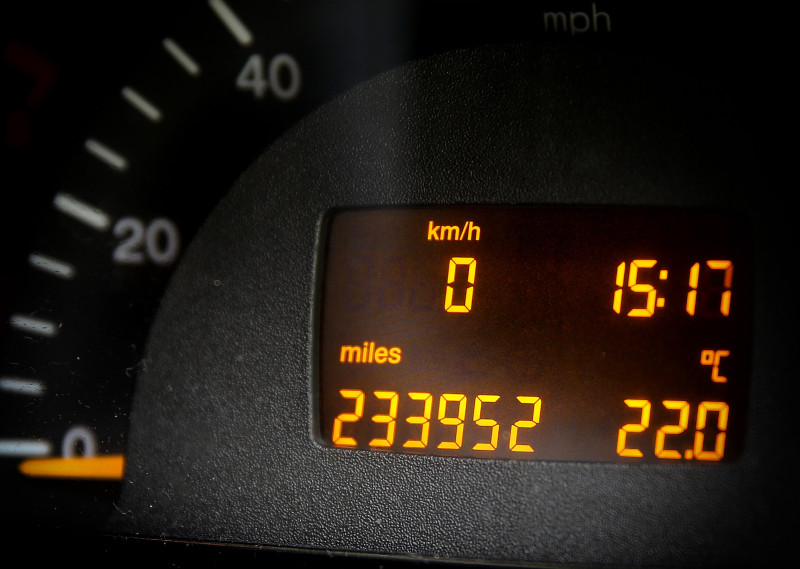
A good mileage for a used car depends on its age, service history, how it has been driven and whether the mileage looks consistent with its condition. As a simple starting point, many UK drivers cover around 10,000 to 12,000 miles a year, so a car that has covered less than that average for its age may be described as low mileage.
However, mileage should never be judged on its own. A well-maintained car with higher mileage can be a better buy than a neglected low-mileage car, particularly if it has a clear service history, sensible MOT history and evidence that important maintenance has been carried out.
Used car mileage by age: a simple guide
| Car age | Typical mileage guide | Could be considered low mileage | What to check |
|---|---|---|---|
| 1 year old | 10,000 to 12,000 miles | Under 10,000 miles | Check it has had any scheduled first service. |
| 3 years old | 30,000 to 36,000 miles | Below 30,000 miles | Check MOT history, tyres, brakes and servicing. |
| 5 years old | 50,000 to 60,000 miles | Below 50,000 miles | Look for regular services and consistent mileage records. |
| 8 years old | 80,000 to 96,000 miles | Below 80,000 miles | Check major service items and wear-and-tear components. |
| 10 years old | 100,000 to 120,000 miles | Below 100,000 miles | Look closely at timing belt, suspension, clutch and brake history. |
What is considered low mileage for a used car?
'Low mileage': for anyone on the hunt for a used car, those two little words rank among the most tempting phrases that you can read in an advert. But what do they actually mean? What constitutes low mileage and is it even as important as everyone thinks?
On average, most drivers in the UK will do between 10,000 and 12,000 miles every year, so it follows that any car below that figure can be considered low mileage for its age. For example, a three-year-old car would typically be expected to have between 30,000 and 36,000 miles on the clock, making anything beneath that a low-mileage option that may attract a higher price.
The reason for this is that cars with fewer miles behind them are likely to have experienced less mechanical wear, resulting in a longer lifespan and a reduced risk of any nasty surprises. However, it is worth being aware that this is not always the case.

When viewing a low-mileage car, always find out whether it has been left unused for long periods of time. Long periods without use can result in a different set of issues, including dried-out seals, battery problems or rusty brakes.
While there is no hard and fast rule, a good starting point for many buyers is to search for a relatively new model with fewer than 50,000 miles on the clock, then check the condition, paperwork and service history before deciding whether it is good value.
How many miles is too many for a used car?
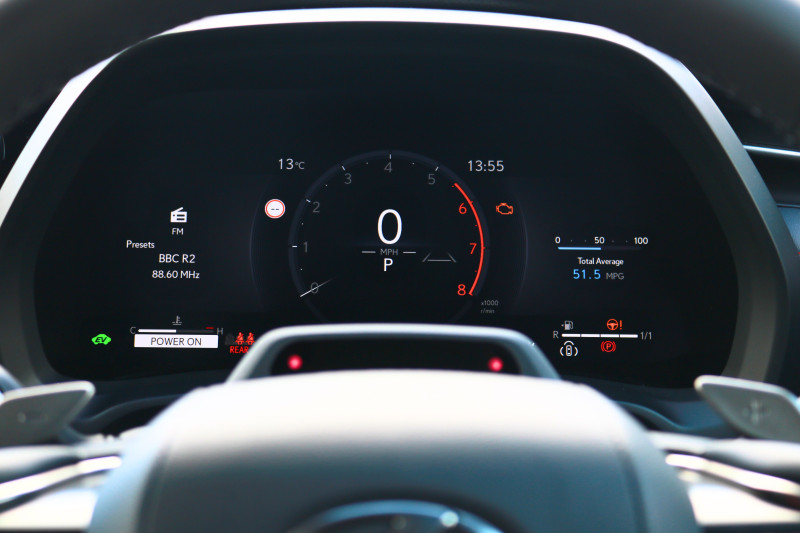
Another major headache for buyers is trying to work out 'how many miles is too many?' when it comes to purchasing a used car. Again, there is no one-size-fits-all policy here, but many motorists do tend to feel a natural sense of caution when considering anything over the 100,000-mile mark.
The concern when buying a high-miler is that major components, including timing belts, suspension parts and transmissions, become far more likely to need attention once a car has completed between 80,000 and 120,000 miles.
While this is true, it does not mean that a car in this bracket cannot represent a good buy. It is just a case of doing your homework and having a clear understanding of what any potential repairs could cost.
Overall, it is best not to fixate too much on the number itself and instead focus on a wider range of factors. How has the car been driven? What is its mileage relative to its age? Does it have a solid service history? These considerations can provide a clearer picture than simply worrying over a high number on the odometer.
The 100,000-mile question
It is one of the biggest urban myths out there if you are buying a used car: do not buy anything with over 100,000 miles on the clock. It is an old wives' tale that has become ingrained in car-buying culture, but how much truth is there to it?
The 100,000-mile fear is probably a hangover from a bygone era, when cars were nowhere near as reliable as they have become today and six-figure mileage often signified the end of a vehicle's life.
Modern cars are generally built to last much longer than their older counterparts and, with routine maintenance, many models can comfortably reach more than the much-feared 100,000-mile level.
Despite this, the public reluctance remains, which means there can be bargains to be found if you are prepared to go for a car with a few more miles in its legs. Well-looked-after high-mileage cars can offer an affordable and dependable option for budget-conscious buyers, but as with all of these things, the devil lies in the detail.
It is important to understand what work has been done on the car and what jobs may be just around the corner. If a vehicle has passed 100,000 miles but has a documented history of oil changes, brake servicing, belt replacements and coolant flushes, it may be in better shape than a neglected vehicle with half the miles.
Before dismissing a car because it has passed 100,000 miles, check:- The service book or digital service record, including mileage at each service.
- The MOT history, including mileage records, failures and advisories.
- Evidence of oil changes, brake servicing, coolant changes and belt replacements.
- Whether the mileage rises consistently year by year, with no unexplained drops.
- The condition of wear items such as tyres, brakes, suspension, clutch and interior trim.
How mileage affects price and running costs
Mileage has a major influence on the price of a used car, but it can also shape how much it costs to keep it running. As a general rule of thumb, buyers can expect to pay more money for a car that has done fewer miles, with mileage often seen as a useful gauge of how many years of reliable driving a vehicle may have ahead of it.
This allows sellers to charge a premium for low-mileage options and can result in big price gaps between otherwise similar models. While higher mileage can create some bargain deals for buyers, it can also carry a greater risk if the car has not been maintained properly.
As a car gets older and covers more miles, it becomes more likely that you will need to budget for brakes, suspension components, tyres and fluids. At the more expensive end of the scale, bigger jobs to look out for include timing belt replacements, clutch work, gearbox repairs or new shock absorbers.
City miles vs motorway miles: why the type of driving matters
If you are weighing up a high-miler, it is worth looking deeper than just the headline number. The type of miles can often prove to be even more important.
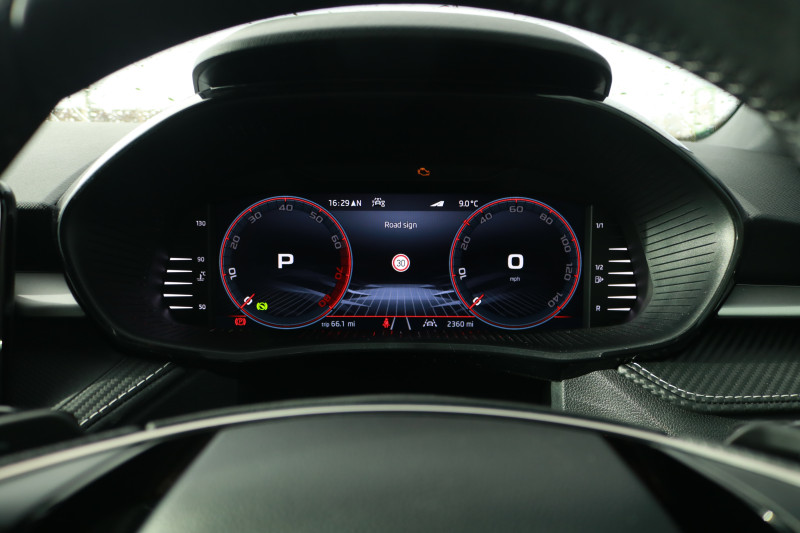
Cars are affected differently by city and motorway driving. Years spent in urban environments, where stop-start traffic is the order of the day, can place far more strain on a car's brakes, clutch, gearbox and engine components than thousands of consistent motorway miles.
| Type of mileage | What it can mean | What to check |
|---|---|---|
| City miles | More stop-start driving, short journeys and clutch/brake use. | Clutch feel, brake wear, gearbox smoothness, battery condition and cooling system. |
| Motorway miles | Usually steadier speeds and fewer stop-start cycles, but higher total mileage. | Service history, tyre condition, stone chips, suspension wear and long-distance maintenance. |
| Mixed use | Often the most common real-world pattern. | Whether condition, paperwork and MOT mileage all match the seller's description. |
Do not be afraid to ask the seller what kind of life the car has lived, as a well-maintained motorway commuter can be a better proposition than a city car that has done a fraction of the miles.
What mileage can tell you about a used car
Mileage is useful because it can give clues about wear, usage and value. But it only becomes meaningful when you compare it with the car's age, condition and history.
- Mileage compared with age: a low number may suggest light use, while a high number may suggest regular long-distance driving.
- Mileage compared with condition: interior wear, pedal wear, seat bolsters and steering wheel condition should broadly match the odometer reading.
- Mileage compared with MOTand service records: mileage should increase consistently over time.
- Mileage compared with price: a high-mileage car may be cheaper, but it may need more maintenance sooner.
Used car mileage checklist before you buy
| Check | Why it matters |
|---|---|
| MOT history | GOV.UK MOT history can show test results, mileage, failures and advisories from 2005 onwards. |
| Service history | A service book or digital record can show servicing, repairs and mileage at the time of each service. |
| Mileage consistency | Look for steady mileage increases and query any gaps, drops or unusual patterns. |
| Wear-and-tear parts | Brakes, tyres, suspension, clutch and belts can become costly if they are due for replacement. |
| Vehicle history check | AA Cars history checks can include mileage data where available, helping you compare the advert with available records. |
| Seller or dealer paperwork | Ask for invoices, MOT certificates, V5C details and service records where available. |
Is a low-mileage used car always better?
Not always. A low-mileage used car can be attractive, and it may have experienced less mechanical wear, but low mileage does not automatically make a car the best option.
A car that has spent long periods unused may have issues with its battery, brakes, tyres or seals. A regularly used, well-serviced car with slightly higher mileage may feel better to drive and prove easier to live with.
The best approach is to weigh up mileage, age, condition, service history, MOT history and price together before making a decision.

Should you buy a high-mileage used car?
A high-mileage used car can be a sensible purchase if it has been properly maintained and is priced fairly. In some cases, it can represent strong value because many buyers remain cautious once a car passes certain mileage milestones.
The key is to avoid buying blind. Check what maintenance has already been done, what work may be due soon and whether the car's condition supports the mileage shown. Where possible, buy from a trusted dealer and consider having the car inspected before you commit.
Final advice: look beyond the odometer
Mileage matters, but it should not be the only factor that decides whether a used car is a good buy. A number on the odometer is only one part of the story.
A used car with higher mileage, a clean history and evidence of proper servicing can be a better choice than a low-mileage car with gaps in its paperwork. Focus on how the car has been driven, how well it has been maintained, how the mileage compares with its age and whether the price reflects the likely running costs ahead.


