
 Updated 15/10/2026
Read Time 5 mins

Depreciation is something that affects nearly all cars. It’s something you’ll need to factor in when buying any car - new or used - and it will impact how much you’ll sell your car for when the time comes.
Here, we’re going to take a look at the various factors surrounding depreciation.
What is depreciation?
Depreciation is a drop in a vehicle’s value over time as it ages, covers more miles and experiences wear-and-tear. It’s traditionally felt most on new cars, which usually experience a drop in value of between 15 and 30 per cent off their brand-new price.
Depreciation continues to affect older cars, but it’s far less dramatic than that experienced on newer cars. In the case of classic cars, it sometimes goes the other way, with cars gaining value rather than losing it.
Do certain cars depreciate faster than others?
Yes. While there is no hard-and-fast rule, it’s luxury and high-end cars which tend to experience the most depreciation. This is largely due to their high initial cost, and also the price of repairs and maintenance, which makes them an expensive proposition for second buyers.
High-performance sports cars can often suffer from heavy depreciation, too, again because of their greater running costs.
In contrast, enthusiast cars - like limited-run sports cars - tend to hold onto their values better because demand for them remains high even as they age. This is a similar story for more ‘everyday’ cars - particularly those with good reputations for reliability - as demand for them continues even after that first year.
Do electric cars depreciate faster?
Historically, electric cars have depreciated faster. However, this is usually in line with the aforementioned price drops on luxury and high-end cars.
Why do electric cars depreciate so much?
Electric cars have suffered heavier depreciation than other vehicles. Many reasons are believed to be behind this; electric cars often had higher price tags than petrol-powered equivalents, and this meant that they fell more quickly during the first few years of ownership.
Another reason is believed to be the popularity of electric cars within the fleet segment. Large fleets bought high numbers of electric cars and when these entered the used market, they flooded the segment and pushed prices down.
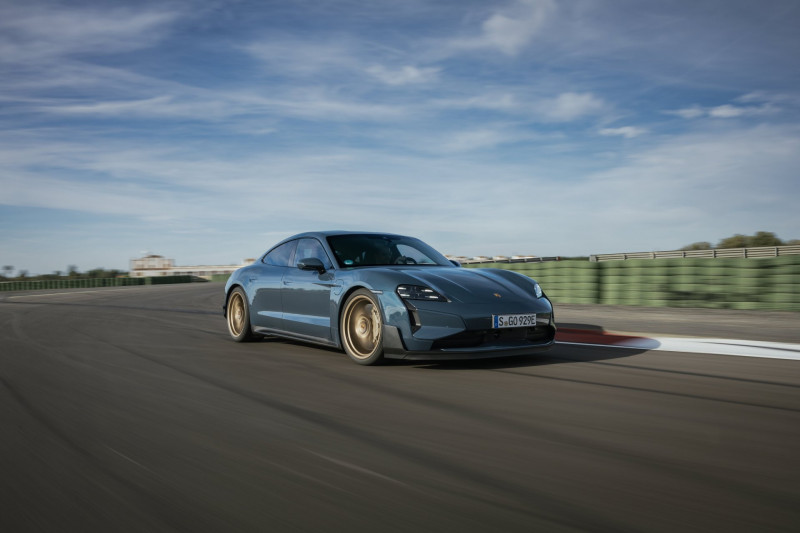
Shifting government plans are also believed to be a reason why consumer confidence in electric vehicles has changed. Moving targets, such as the ZEV mandate, have left buyers unsure whether they need to make the switch to an electric vehicle or not.
The speed at which electric cars have developed has also meant that older models have depreciated more quickly. Early EVs didn’t offer the best range, yet within a few years they had quickly increased the amount of mileage that they could travel between charges.
How much do cars depreciate every year?
While there isn’t a hard-and-fast rule on how much cars depreciate each year, most vehicles lost between 15 and 20 per cent of their value each year within the first 5 years. By the end of that 5 year period, most cars have lost around 60 per cent of their value.
This will, of course, depend on the mileage of the car, its condition and whether it falls within any of the categories of vehicle mentioned earlier which usually hold on to their values better.
| Car age | Approx. value | Approx. value lost |
|---|---|---|
| Brand new | £30,000 | £0 |
| 1 year | £24,000–£25,500 | £4,500–£6,000 |
| 2 years | £19,500–£21,000 | £9,000–£10,500 |
| 3 years | £16,500–£18,000 | £12,000–£13,500 |
| 4 years | £13,500–£15,000 | £15,000–£16,500 |
| 5 years | Around £12,000 | Around £18,000 |
Should I consider depreciation when buying a car?
Depreciation is something that is certainly worth considering when buying a car. Whereas it’s easy to see the cost of servicing and repairs, depreciation is a ‘hidden’ cost that can catch many people unawares.
However, the good news is that by purchasing a used car, you’re lessening the severity of depreciation and, in the case of cars over 6 years old, the effect of depreciation is less than on a brand-new car.
Making sure that you keep to service schedules and complete all repair work on time can be great ways of lessening a car’s depreciation, and the same goes for keeping mileage to a minimum if possible.
Buying a used car is one of the best ways to avoid the impact of depreciation, and here at AA Cars, we’ve got thousands of them to check out today.


