
 Updated 20/10/2026
Read Time 7 mins

Both campervans and motorhomes are hugely popular in the UK. Whether it’s long-distance touring or a more local home-away-from-home, both of these options provide the prospect of a holiday where you can pick your route, decide where you’d like to stay but still have all of your creature comforts with you.
There’s quite a bit of difference between a campervan and a motorhome, and while appealing, this type of travel might not be for everyone. At the AA, we’ve got a great range of both - but which one could work for you? Let’s take a good look.
| What to consider | What to look for | Why it matters |
|---|---|---|
| Budget | Purchase price, insurance, tax, servicing and running costs | The buying price is only part of the overall cost of ownership |
| Campervan or motorhome? | Compact campervan versus larger coachbuilt or A-class motorhome | Campervans are easier to drive and park, while motorhomes generally offer more living space |
| Number of occupants | Number of sleeping berths and travelling seats | Make sure there is enough space for everyone and that every passenger has a proper seatbelt |
| Sleeping arrangements | Fixed bed, convertible beds, bunk beds or over-cab bed | Converting beds every night can become inconvenient on longer trips |
| Layout | Kitchen, lounge, bathroom and bedroom arrangement | A clever layout can make a smaller vehicle feel considerably more spacious |
| Size | Overall length, width and height | Larger vehicles can be harder to manoeuvre and may have restrictions on where they can be parked |
| Driving licence | Vehicle's maximum authorised mass (MAM) and your licence entitlement | Some heavier motorhomes may require additional licence entitlement, depending on when and how your licence was issued |
| Payload | Maximum payload and the weight of passengers, luggage, water and equipment | Overloading can be dangerous and illegal |
| Engine and fuel | Diesel, petrol or electric, plus engine size and power | Consider fuel economy, performance and how far you intend to travel |
What is the difference between a campervan and a motorhome?
While campervans and motorhomes might sound similar on paper, in reality they’re quite different.
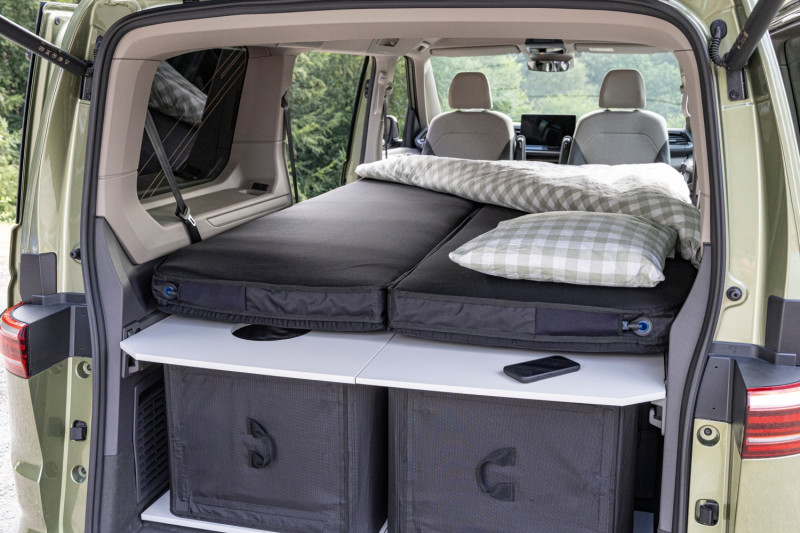
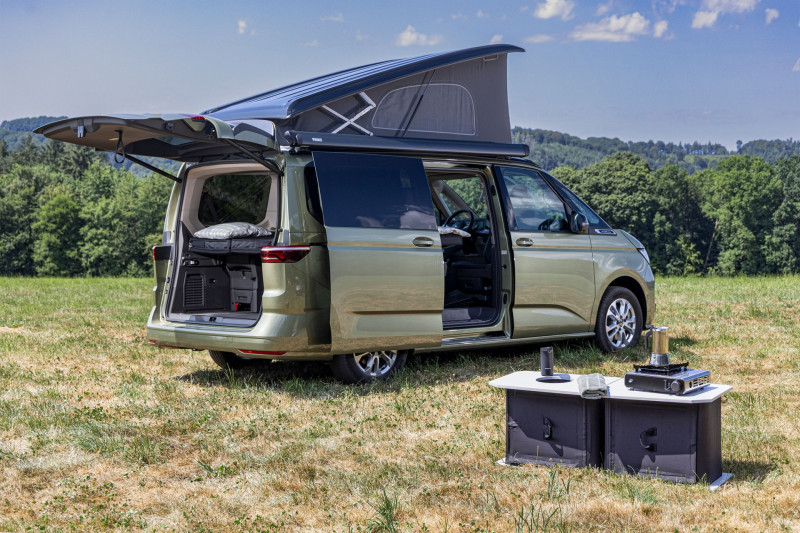
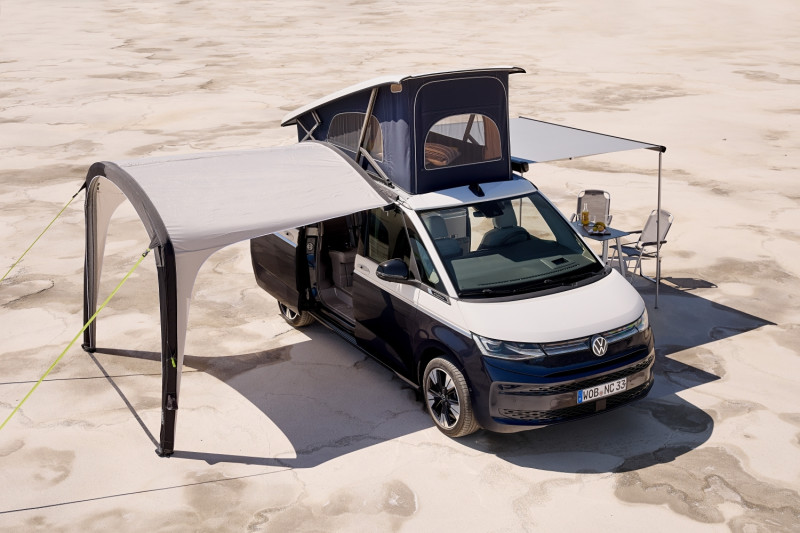
A campervan is a van-based vehicle which has been adapted to make it easier to live in and travel with. Campervans are usually smaller than motorhomes which makes them easier to live with, but they’ll still get features such as a bed and, often, a built-in kitchen or cooking area. There are many specialist converter companies located throughout the UK, though many people like to convert their own campervans by getting a ‘donor’ van and transforming it themselves.
A motorhome, meanwhile, is built specifically for the job. Rather than being adapted from a traditional panel van, motorhomes are designed first and foremost as leisure vehicles. They often sit on ladder frames, on top of which is placed a coachbuilt body. While compact motorhomes do exist, they are more often much larger than a camper van and can include a lounge area, built-in shower and bespoke electrician.
How much are campervans?
The price of a campervan depends on a variety of factors. There’s age, of course, and mileage, but the price can also be influenced by the number of features that have been fitted inside, and whether or not the conversion has been done by a professional or in a more DIY capacity.
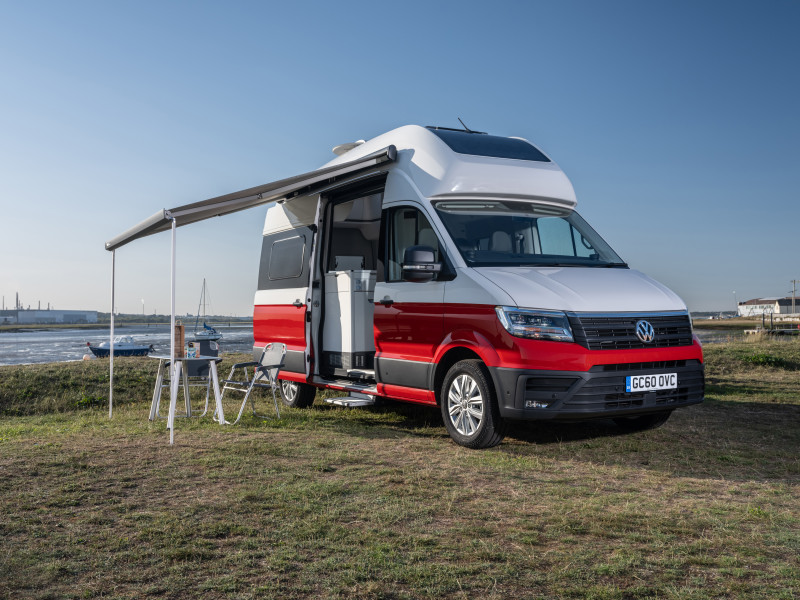
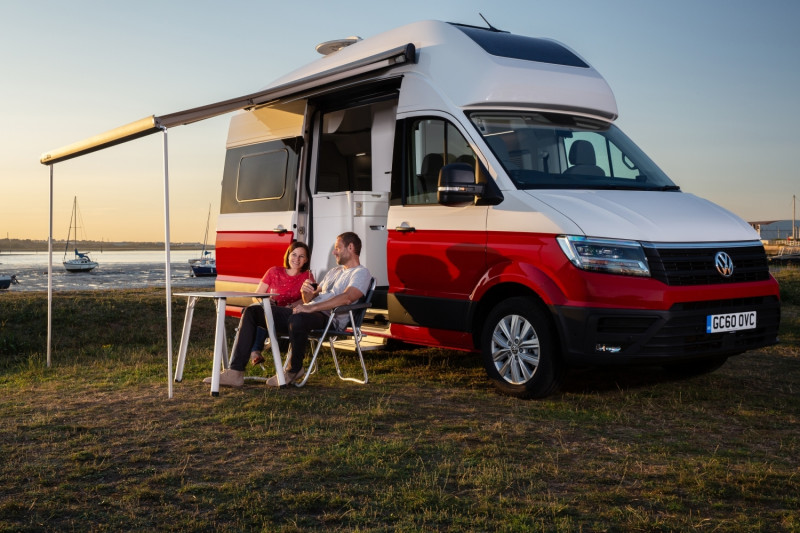
Campervan prices on AA Cars currently start from around £7,000 for a high-mileage example, while close to £90,000 will get you one of the latest Volkswagen Grand California models. That particular model is very close to the full motorhome experience.
How much are motorhomes?
Motorhomes often command a higher price tag than campervans, simply because of their more bespoke nature. However, there is a good range of prices out there to choose from, so there should be something for most buyers.
You could be looking at around £10,000 for a more ‘classic’ model, though most newer motorhomes start from around £35,000. This gets you a motorhome kitted out with a bathroom and shower, and it’ll sit on a more up-to-date platform, too.
Can you drive them on a standard car licence?
The type of licence you require for a campervan or motorhome really depends on the weight. For campervans, you should be fine on a standard UK full car licence, providing that the vehicle’s Maximum Authorised Mass (MAM) - its total weight plus full capacity - doesn’t exceed 3.5 tonnes. This is the case if you got your licence after January 1, 1997. However, if you got it before that point, your allowance is greater and you can drive a motorhome or campervan weighing up to 7.5 tonnes MAM on a standard car licence.
If you got your licence after January 1, 1997 and you want to drive something weighing over 3.5 tonnes, then you’ll need to do a Category C1 exam. This includes a full medical test, theory examination and practical test. Once completed, you’ll be allowed to drive vehicles weighing up to 7.5 tonnes MAM. This means you’ll have the option to drive a larger motorhome, which often brings greater passenger capacity and more leisure features.
Can you live in a campervan or a motorhome?
There are no rules against living in a campervan or motorhome, providing it is fully taxed and insured in your name. You’ll also have to think about aspects such as post, registering with local healthcare services and getting on the electoral register since you’ll have no fixed address.
Some people might choose to redirect their post to a friend or family member to solve this issue. You’ll also need to consider insurance; most standard motorhome or camper van insurance policies don’t cover full-time residency, so you’ll need to find one which does.
What to check when buying a used campervan or motorhome:
- For starters, check out the mechanical side of things. Take a look at when the van was last serviced and whether routine maintenance has been completed.
- Make sure it has its most recent MOT too, and check whether there were any advisories by using theGovernment’s free checker.
- Damp is a big issue with both campervans and motorhomes. A cheap pin checker can be bought online, and you can use this to test multiple areas of a vehicle for dampness. Dampness could come from worn seals, badly fitted panels or even a leaking tap. Make sure you investigate any issue and, if you’re not sure, then always walk away.
- If the campervan or motorhome that you’re looking at has gas, then make sure that all of the connectors are in good condition and inspect all of the connecting lines, too. You could also get a gas engineer with a CARAVANS pipework LAV LPG (CORE) qualification. Remember, gas checks aren’t included in a campervan or motorhome MOT, so this is a crucial safety check to make. If in doubt, get a professional involved to check things out.
Parking considerations for a campervan or motorhome
You’ll need to consider where you park overnight, too. Different councils have different rules on overnight parking and you’ll need to check this or face a fine. If you’re parking on private land then you’ll need to obtain the landowner’s permission, first. Campsites are, of course, a great option, though many close in off-season periods.
Which is more suitable for the UK?
Whether you choose a campervan or motorhome really depends on your personal situation. A campervan, for instance, is much easier to drive on a day-to-day basis thanks to its smaller size. It’s easier to park, too, and you’re more likely to find a spot to pitch up wherever you go. However, there’s less room inside and, if you’re a family, it’s likely that you’ll find it a squeeze. Campervans are more often a cheaper way to get that go-anywhere adventure, mind you.
Switch to a motorhome and you’re dealing with a far larger vehicle that’ll take more effort when driving. Narrow streets, tiny bridges and deep hedgerows can all prove tricky when driving a motorhome, particularly if you’re new to it all. You might need to consider getting an updated licence if you’re looking to drive a larger model, too.
However, motorhomes offer a lot more space and have in-built niceties such as showers and toilets, so you can be self-sufficient when you’re out and about. Motorhomes might be more expensive, but they’re often a great alternative to a ‘traditional’ holiday, particularly if you’re able to make use of one for large parts of the year.
Whichever you choose, you’ll be sure to find one which fits the bill here at AA Cars. Check out our current stock today and use our dedicated filters to find one which matches your requirements for age, mileage and price.


