
 Updated 15/06/2026
Read Time 5 mins
Updated 15/06/2026
Read Time 5 mins

So if you’re considering the purchase of a used car, you may want to get the professionals involved to check it over and seek out any potential issues.
That’s where a vehicle inspection can come into play. As well as a vehicle history check, it can give you a quick-fire list of any potential issues so that you can make a purchase safe in the knowledge that you’re as clued-up about the car as can be. But what is a vehicle inspection and should you consider having one done before you buy?
What is a vehicle inspection?
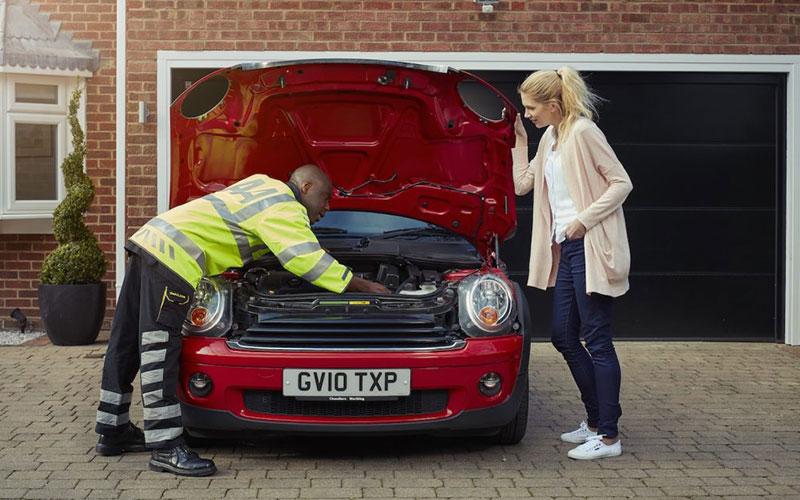
A vehicle inspection involves a qualified engineer taking a look at a car in detail. They’ll be able to tell whether or not a car is structurally sound, whether or not any components are on their way out or if there are areas of rust which could prove problematic.
The engineer will also be able to flag up any work which might need to be completed so that a prospective buyer can factor this into their purchase decision. You’ll need to get approval from the seller before conducting a vehicle inspection, too.
Why is a vehicle inspection important?
Though a vehicle inspection isn’t something which is required by law, it’s a service which is highly recommended.
If a seller isn’t being particularly honest about a car’s condition - or any past products - when the vehicle is listed, then an inspection can flag these up before you part with any cash. Plus, because an engineer is impartial, they’ll be able to provide clear and concise answers to any potential concerns - something which you may not get from a private seller.
An inspection also ensures that you’re able to negotiate the best-possible price for a vehicle by giving you all of the information you need. It also means that you won’t be hit by any nasty surprises once you’ve purchased the vehicle.
Buyers should take extra care before committing to a used car, particularly when buying privately or from an unfamiliar seller. While many used cars provide years of reliable motoring, hidden issues can quickly turn it into a money pit.
An independent inspection can give buyers a clearer view of the car’s condition and help them make a more confident decision. If an inspection highlights a problem, the buyer may be able to ask the seller to fix it, negotiate a lower price or decide the car is not right for them. It’s far better to know about a fault before buying than to discover it once the keys are already in your hand. – James Hosking, Managing Director of AA Cars
When should you consider getting an inspection?
You should consider getting a vehicle inspection when you want an independent check on the car’s condition and likely repair costs, especially before committing to the sale.
Some examples are:
- Before buying a used car: This is the main reason. An inspection can reveal accident damage, poor repairs, corrosion, worn brakes/tyres, engine or gearbox issues, fluid leaks, warning lights, and MOT-related concerns.
- If the car has little or unclear history: Strongly consider one if the vehicle is missing service records, patchy MOT history, lots of previous owners, imported status, or unclear mileage.
- If buying privately: Private sales usually give you less comeback than buying from a dealer, so an inspection can reduce risk.
- If the price seems unusually cheap: A low price can be genuine, but it could also point to hidden mechanical, structural, or legal issues.
The AA Vehicle Inspection service
Available across the UK, Monday to Friday, the AA’s own Vehicle Inspection service gives buyers all of the information they need about a prospective used vehicle.
Available from £99 (AA members) and £110 (non members) for a basic inspection, you’ll get a car’s mechanics, other vehicle operations and bodywork checked over by a trained engineer. The 99 point inspection also includes electrical and equipment checks alongside a 1-mile test drive. You’ll then get a multi-page report of everything that was discovered as well as a verbal report. It’s all available for cars (including EVs) of up to 20 years old.
If you want some extra information, then a more detailed 214 point comprehensive inspection is available from £197 to £287 (AA members). It covers cars up to 20 years of age and adds in extra mechanical and physical checks alongside a longer 10-mile test drive, complete with a photographic report.
With car, van, motorhome and 4-wheel drive inspections available, we can provide all of the information you need for a vehicle.
Assessments take between 1 and 2-and-half hours to complete and there’s no need to be present at the inspection. As before, remember that you’ll need to have the seller’s permission before you book in an inspection - don’t organise one without an agreement in place.
AA Members save 10% on vehicle inspections. Book an inspection online, or call our Vehicle Inspections team on 0330 053 0340 Monday-Sunday 8am-8pm to arrange an appointment.
FAQs
Do commercial vehicles need to be inspected?
Yes. Commercial vehicles should be checked regularly to make sure they’re safe, roadworthy and fit for work. If you’re buying a used van or commercial vehicle, an independent inspection can help spot issues before you buy.
Do electric vehicles need a pre-purchase inspection?
Yes. Although Electric vehicles have lesser moving parts than a conventional car, they still need to be inspected before you buy. An inspection can look at key safety items, as well as EV-specific areas like charging equipment, warning lights and high-voltage components.
What does a vehicle inspection include?
A vehicle inspection checks the condition of the car, van or motorhome before you buy. It can include the bodywork, tyres, brakes, steering, suspension, engine bay, lights, controls and a road test, depending on the inspection type.
Do used car dealers carry out vehicle inspection checks?
Some dealers do their own checks, but standards can vary. Always ask what’s included and whether you’ll get a written report. For extra confidence, you can arrange an independent AA vehicle inspection before you buy.
How long does a vehicle safety inspection take?
It depends on the vehicle and the level of inspection. A basic check is quicker, while a more detailed inspection with a road test, photos and a written report will take longer.


