Personal breakdown cover and vehicle breakdown cover offer different levels of protection, depending on how many vehicles you use and who needs to be covered.
Breakdown cover explained
What is breakdown cover and how does it work?
It’s likely you’ve heard of breakdown cover, but you may be wondering what exactly it is, what’s included in the different policies and whether you need it.
What’s breakdown cover?
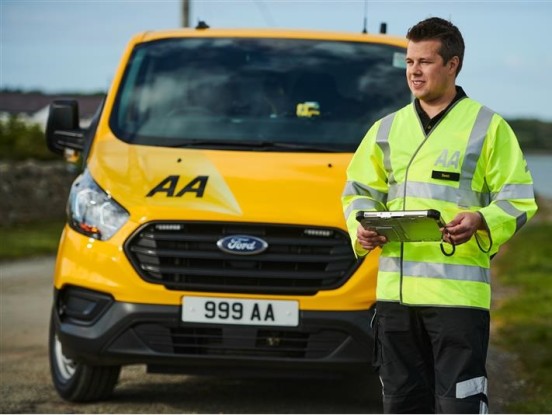
Breakdown cover is a paid service that helps you get assistance if your vehicle breaks down. You can get cover for most vehicles, including cars, EVs, vans, motorbikes, as well as fleets and company cars.
Whether you have a flat battery, a flat tyre or another problem, a mechanic can repair your vehicle at the roadside or tow it to a garage if it can’t be fixed.
How does breakdown cover work?
When you vehicle breaks down in the UK:

Call for help
Just call your breakdown cover provider or use their app to give your location and explain what’s happened.

Roadside Assistance arrives
A patrol will be sent to you and the mechanic will try to do on-the-spot repairs at the roadside to get you up and running again.

Vehicle recovery or repair
If the patrol can’t fix the problem, your vehicle and all passengers will be towed to the nearest garage, your home or another destination, depending on your cover.
Is breakdown cover worth having?
Breakdown cover gives you peace of mind that you can get roadside assistance if you break down. Cover ensures you’re not left stranded at the roadside in a dangerous place, like a motorway.
Plus, having a breakdown policy in place could save you money. Without cover, a breakdown on the motorway could cost £150 or more.1
Does car insurance cover breakdowns?
Standard car insurance helps with the cost of accidents, but it usually doesn’t cover repairs and recovery if your vehicle breaks down. That’s where breakdown cover helps.
Some breakdown providers offer extra support after an accident. With AA breakdown cover, members get Accident Assist, which helps with repairs, vehicle hire and personal injury support after an accident.
What does breakdown cover include?
Breakdown cover gives you support if your vehicle stops working while you’re out and about.
Cover varies by policy, but here’s a simple summary of what it typically includes:
Roadside Assistance
A patrol comes to you if you break down at the side of the road.
Minor mechanical fixes
Common issues, such as flat batteries, tyre punctures or electrical faults, may be fixed at the roadside.
Towing and recovery
If the mechanic can’t fix your vehicle at the roadside, they’ll tow you to a safe place, such as a local garage.
Running out of fuel or charge
Fuel or charge may be given or your vehicle towed to a petrol station or charging point.
Now you know what cover to look for, you can decide whether personal or vehicle cover is right for you, the level of cover you need and any extras.
Should I get personal or vehicle breakdown cover?
Personal breakdown cover
Personal breakdown cover looks after you rather than a specific vehicle, whether you’re a driver or a passenger. This option can be a good choice if you want cover for multiple cars. It usually costs more than vehicle cover and only applies when you’re in the car, unless other people are added to the policy.
What it covers:
- Protects you as a driver or passenger in any vehicle
- Can apply to multiple cars in your household
- You can add other people to your policy if you take out joint or family cover
Why it’s useful:
- Cover isn’t tied to your vehicle
- Suitable if you regularly drive different vehicles
- Handy if you travel in other people’s vehicles
Vehicle breakdown cover
Vehicle breakdown cover applies to one named vehicle, not matter who's driving. It’s usually cheaper than personal cover and suits drivers who only drive one car or share a household car.
What it covers:
- Protects one vehicle
- Covers whoever’s driving the vehicle
- Help when the vehicle breaks down away from home
Why it’s useful:
- Ideal if you only drive one vehicle
- Suits vehicles used by more than one driver
- Keeps things simple by linking cover to the vehicle
Find out about other types of breakdown cover
What are the different levels of breakdown cover?
Breakdown cover isn’t one size fits all. You can choose from different levels of cover to suit your vehicle, driving habits and needs.
Most breakdown cover providers will give you the choice of these cover levels, which can also be combined:

Roadside Assistance
Roadside Assistance is the standard and usually cheapest level of breakdown cover. All breakdown providers offer at least this level of service.
If your vehicle breaks down at the roadside, help is available 24/7. A mechanic will come out and try to fix the problem there and then. If it can’t be fixed, your vehicle is towed to the nearest garage.
The level of cover with Roadside Assistance has some limitations. It doesn’t apply if you break down at home, as you usually need to be a minimum distance away, for example 1/4 of a mile. If your vehicle can’t be fixed at the roadside, you’re towed to the nearest garage rather than a destination of your choice. You’ll also need to organise alternative travel arrangements yourself.

National Recovery
National Recovery, previously called Relay, builds on Roadside Assistance and gives you more flexibility.
If repairs aren’t possible at the roadside, your vehicle can be recovered to a location of your choice anywhere in the UK. Passengers can usually be recovered too, although limits may apply depending on your policy.
This cover can be useful if you break down far from home, as you to choose recovery to your home or garage near there.
National Recovery is an optional extra and usually costs more than basic roadside cover.

At Home
At Home, formerly known as Home Start, gives you the same services as Roadside Assistance, plus cover if your vehicle breaks down at home or within 1/4 of a mile of your home address.
Many breakdowns happen on driveways. A flat battery overnight or a slow puncture can stop you setting off.
With At Home, a mechanic can come to your home to try to fix the problem there and then. This level of cover usually costs more than standard Roadside Assistance.

Onward Travel
Onward Travel, also called Stay Mobile, is a paid upgrade to Roadside Assistance that helps you continue your journey so a breakdown doesn’t leave you stranded.
For example, your car could break down on the way to an event, such as a wedding. With standard Roadside Assistance, recovery is usually to the nearest garage, leaving you to figure out how to get to the wedding yourself.
This level of cover offers extra support in these situations, which may include a hire car, help with public transport costs or overnight accommodation.
What extras can you add to breakdown cover?
Many providers offer optional extras, so you can build your breakdown cover based on your unique needs. Here are some of the most common:
Replacement parts
Roadside Assistance can fix your car at the roadside, but it doesn’t usually cover new parts or garage repairs. Parts and Garage Cover can help with these extra costs.
What it covers:
- Spare parts used during roadside repairs that would normally cost extra
- Garage repairs after a breakdown, if included in your policy
You usually pay a small excess towards each repair. With our Parts and Garage Cover, you can claim up to £535 per repair, up to 5 times a year, with a £35 excess each time.
Key, tyre or battery cover
Some breakdown policies let you add extra cover for everyday issues that can stop your journey.
Key replacement
Covers the cost of replacing vehicle keys or electronic fobs if they’re lost, stolen or damaged.
Tyre repair or replacement
Helps towards the cost of repairing or replacing a tyre after a puncture or blowout.
Battery replacement
Typically includes the supply, delivery and fitting of a replacement battery if yours fails.
European breakdown cover
Standard breakdown cover usually only applies in the UK. If you’re taking your own vehicle to Europe, you may need European breakdown cover.
It covers you while driving abroad and may include roadside repairs, help to continue your journey, or recovery back to the UK. What’s included depends on your policy.
The cost can vary depending on where you’re going, how long you’re away, and the level of cover you choose.
Cover options
- Single-trip cover – for one journey to Europe
- Annual cover – for multiple trips in a year
How do I get breakdown cover?
There are lots of different ways to get breakdown cover:
- Direct – buy an annual policy from the breakdown provider
- Insurance – some insurance policies include breakdown cover
- Banks – some bank accounts include cover as a benefit
- Manufacturers – new cars often come with a year or more of free breakdown cover
- Pay and claim – pay for roadside help upfront and reclaim the cost later way to cover
Before you buy a policy, check if you already have cover and decide the level of cover you need.
Do I really need breakdown cover?
While breakdown cover isn’t a legal requirement, it can give you much-needed peace of mind –
Without cover, you’ll need to find and pay for a recovery service to rescue you, which can be expensive, thanks to emergency callout fees and pricey repairs.
Breakdown cover protects your vehicle – and passengers – should you find yourself stuck. And with different types and levels of cover and optional add-ons, it’s easy to find and build the right breakdown cover policy for you and your needs.
Member benefits
European breakdown cover
Good to know
Facts and figure sources:
- National Highways ‘Vehicle removal flyer’, checked November 2025
- AA Annual Report & Accounts 2025 – c. 2,700 patrols, RAC Bidco Limited Annual Results 2024 – 1,700 patrols
- AA Annual Report, January 2024 (CEO’s statement). Detail: “…customers benefitted from our repair rate remaining high with around 4 in 5 breakdowns fixed at the roadside.”