Breakdown cover explained
What is breakdown cover and how does it work?
Breakdown cover provides roadside assistance if your vehicle breaks down. This guide explains how breakdown cover works, what different levels of cover include and how to decide if you need it.

What is breakdown cover?
Breakdown cover is a service that provides roadside assistance if your vehicle breaks down and you can’t continue your journey. It generally covers most types of vehicle, including cars, electric vehicles, vans and motorbikes.
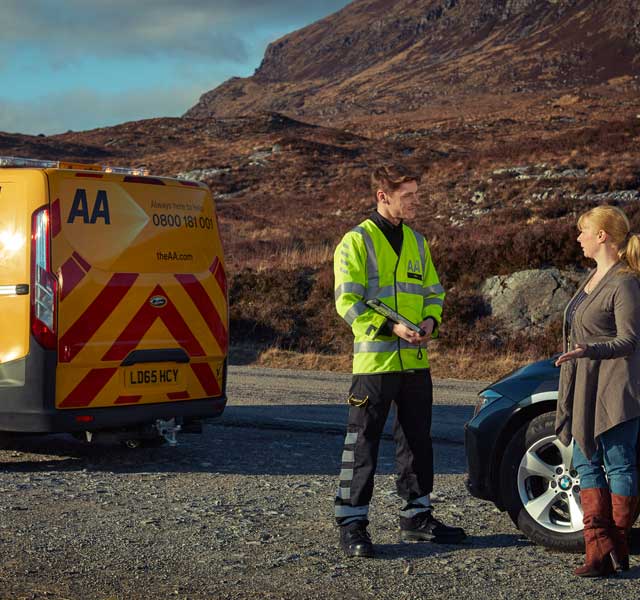
If you break down, your breakdown provider will send a trained patrol to your location, who’ll try to repair your vehicle at the roadside.
If your vehicle can’t be fixed at the roadside, basic breakdown cover will usually include a tow to a nearby garage. Higher levels of cover can provide additional support, such as help if you break down at home, recovery to a destination further away or onward travel options while your vehicle is being repaired.
Breakdown cover is separate from standard car insurance. Car insurance provides financial protection for things such as accidents, theft and damage, while breakdown cover is designed to get you help when your vehicle stops working.
How does breakdown cover work?
Breakdown cover gives you access to help if your vehicle breaks down. You contact your breakdown provider and give them your location and details of the problem. They’ll send someone to assist you and try to repair your vehicle at the roadside. If it can’t be fixed there, your vehicle will be towed to a garage or another destination, depending on your level of cover.

Call for help
Just call your breakdown cover provider or use their app to give your location and explain what’s happened.

Roadside Assistance arrives
A patrol will be sent to you and the mechanic will try to do on-the-spot repairs at the roadside to get you up and running again.

Vehicle recovery or repair
If the patrol can’t fix the problem, your vehicle and all passengers will be towed to the nearest garage, your home or another destination, depending on your cover.
Is breakdown cover worth having?
Although not a legal requirement, breakdown cover gives you peace of mind that help is available if your vehicle breaks down. Without it, you’ll need to arrange and pay for roadside assistance or recovery yourself, which can be expensive.
The level of cover you require depends on how often and how far from home you drive, your vehicle’s age and its reliability.
Sometimes, breakdown assistance is included with your insurance, bank account or vehicle warranty.
What happens if I break down without cover?
If you break down without breakdown cover, you’ll need to arrange assistance yourself. You can contact a local recovery company or garage, or some breakdown providers may offer emergency assistance to non-members.
You’ll usually need to pay for the call-out and any recovery or repairs yourself. Alternatively, some providers may allow you to take out breakdown cover after you’ve broken down, although you might need to pay an additional fee for immediate assistance.
If you’re in an unsafe location, such as on a motorway or fast-moving road, prioritise getting yourself and your passengers to a safe place before arranging assistance.
What are the different types of breakdown cover?
There are different types of breakdown cover depending on who or what you want to cover, the level of assistance you need and the type of vehicle or journey.
You can choose personal cover, which covers you in any eligible vehicle, or vehicle cover, which covers a specific vehicle. Personal cover may also be available for more than one person, such as joint or family cover.
You can then choose the level of assistance you need, from roadside assistance to additional cover for breakdowns at home, national recovery and onward travel.
Personal vs vehicle breakdown cover: what’s the difference?
Personal breakdown cover and vehicle breakdown cover offer different levels of protection, depending on how many vehicles you use and who needs to be covered.
How do I choose the right breakdown cover?
The right breakdown cover depends on your vehicle, how you use it and the level of support you’d need if something went wrong. When comparing policies, consider:
- Who or what needs covering: Personal cover can suit you if you drive or travel in different eligible vehicles, while vehicle cover may be better if several people share one vehicle.
- Where and how far you travel: Basic roadside assistance may be enough for shorter, local journeys. If you regularly travel further from home, national recovery or onward travel might be useful.
- Breakdowns at home: Basic roadside cover may not include breakdowns at or close to your home, so check whether home assistance is included or available as an extra.
- Policy limits and exclusions: Check call-out limits, repeat-fault conditions and whether your vehicle meets any age, size or other eligibility requirements.
- Repair costs: Breakdown cover doesn’t necessarily pay for replacement parts or garage repairs, so check what you’d need to pay for and whether additional repair cover is available.
- When your cover starts: Some policies don’t provide full cover immediately after you buy them, particularly if you’ve already broken down. If immediate assistance is available, an additional fee may apply.
- Driving abroad: If you take your vehicle to Europe, check whether European breakdown cover is included or needs to be bought separately.
- Cover you already have: You may already have breakdown assistance through a vehicle warranty, insurance policy or packaged bank account, so check before paying for duplicate cover.
- Price: Price is important, but the cheapest policy won’t necessarily provide the right level of protection. Compare providers based on what’s included, exclusions and limits, as well as service factors such as response times, roadside repair rates, recovery options and customer reviews.
What are the limitations of breakdown cover?
Breakdown cover has limits and exclusions, which vary depending on your provider and level of cover. Basic roadside assistance may only cover breakdowns a minimum distance from your home and, if your vehicle can’t be fixed, may only include recovery to the nearest suitable garage. You may also need to arrange and pay for alternative transport yourself unless onward travel is included.
Other restrictions can include limits on call-outs or repeat faults, vehicle age, size or eligibility, and the cost of replacement parts or garage repairs. Always check your policy terms so you know what is and isn’t covered before you travel.

What happens in different breakdown situations?
Where and when you break down can affect what you need to do while you wait for assistance. If you’re in an unsafe location, such as on a motorway or fast-moving road, prioritise getting yourself and your passengers to a safe place before arranging assistance.
What happens if my car breaks down at night?
If you break down at night, move your vehicle to a safe place if you can, switch on your hazard warning lights and contact your breakdown provider. Make sure you can be seen by other road users and follow safety advice for your location. Your provider can then arrange assistance and, depending on your cover, recovery if your vehicle can’t be repaired.
What happens if my car breaks down in traffic?
If you break down in traffic or during rush hour, try to move your vehicle out of the flow of traffic if it’s safe to do so. Switch on your hazard warning lights and contact your breakdown provider, giving them clear details about your location and situation. Heavy traffic may affect how quickly assistance can reach you.
How do I get breakdown cover?
There are several ways to get breakdown cover. You can buy it directly from a breakdown provider, but you may also get it as part of another product or service.
Common ways to get breakdown cover include:
- Direct from a breakdown provider – buy a standalone policy, usually with a choice of different cover levels and optional extras.
- With car insurance – breakdown cover may be included with your car insurance or available as an optional add-on.
- Through a bank account – some packaged bank accounts include breakdown cover as one of their benefits.
- From a vehicle manufacturer – new vehicles may come with breakdown assistance for a set period, while some manufacturers also provide cover with servicing or warranties.
- Pay-and-claim cover – with some policies, you arrange and pay for assistance yourself before claiming eligible costs back from the provider.
Before buying separate breakdown cover, check whether you already have assistance through your car insurance, bank account, vehicle warranty or manufacturer, and whether the existing cover meets your needs.
AA breakdown cover options and extras
Once you’ve decided what type and level of breakdown cover you need, you can consider whether any additional cover would be useful.
The AA lets you build on standard breakdown cover with optional extras, depending on your needs. These can provide additional support with things like repair costs, onward travel and other motoring-related expenses.
It’s important to remember that standard roadside assistance generally covers the cost of attending your breakdown and attempting a roadside repair, rather than the cost of replacement parts or repairs carried out at a garage.
Depending on the cover you choose, AA options and extras can include:
- At Home – extends your cover to breakdowns at or close to your home.
- National Recovery – provides additional recovery options if your vehicle can’t be repaired at the roadside.
- Onward Travel – helps you continue your journey if repairs can’t be completed straight away, with options that may include alternative transport, a hire car or overnight accommodation.
- Parts and Garage Cover – provides additional protection towards eligible parts and garage repair costs following a breakdown, subject to policy limits, exclusions and an excess.
- Key Cover – provides additional support if eligible car or house keys are lost, stolen or broken, or if you’re locked out.
Always check the terms, limits and exclusions of your chosen cover so you understand what is and isn’t included.