06 February 2026
The AA is urging drivers to take extra care on the roads as persistent downpours, combined with already saturated ground and surface water, increase the risk of localised flooding.
UK-wide, January 2026 was around 17% wetter than average, and after weeks of rain the ground in many parts of the country is no longer able to absorb additional water. This means even short bursts of rainfall can quickly lead to adverse driving conditions.
“Slowing down, increasing following distances and being prepared to turn around if water looks too deep can prevent a bad situation from becoming much worse.”
Standing water on roads can hide potholes and other damage, increasing the risk of tyre, wheel and suspension damage for vehicles, including motorcyclists. On pavements and cycle routes, surface water can also create hazards for pedestrians and cyclists, who are more vulnerable in wet conditions and may be harder to spot in heavy rain or spray.
Wet conditions reduce tyre grip, increase stopping distances and can significantly affect visibility, especially when spray from other vehicles is thrown into the air.
Top tips for driving in heavy rain and surface water
- Slow down and increase your following distance – stopping distances are much longer on wet roads.
- Be smooth with steering, braking and acceleration to help maintain grip.
- Watch out for standing water, especially in dips, under bridges, on rural roads and in low-lying areas, as puddles can hide potholes and road damage.
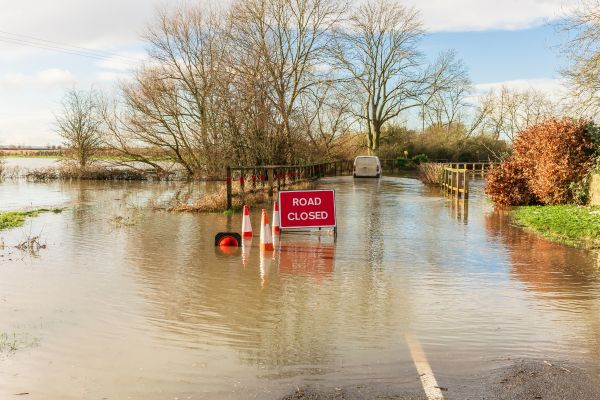
- Never drive through flood water if you’re unsure of the depth – it can be deeper than it looks and may hide hazards beneath the surface.
- Use lights in poor visibility but avoid full beam if it reflects off heavy rain or spray.
- Check tyres, wipers and lights regularly to ensure your vehicle is ready for wet conditions.
- Fog lights – drivers who use fog lights when driving in rain are reminded to turn them off when visibility improves.
- Fuel/charge make sure you have enough fuel or EV charge to account for any diversions due to flooded roads.
The Highway Code advises extra caution in wet weather. Under rule 227, stopping distances can be at least double those required on dry roads, while heavy rain and spray can make it harder for drivers to see – and be seen.
Driving through flood water can lead to loss of steering and braking control, water being drawn into the engine, or damage to electrical systems. In many cases, vehicles that break down in flood water require specialist recovery and may suffer terminal damage.
Electric vehicle drivers are also being reminded that EVs are not immune to these risks. While high-voltage systems are designed with safety in mind, driving through deep water can still damage motors, electronics and braking systems. As with any vehicle, if the depth of water is unclear, the safest option is to turn around.
Lee Morley, AA expert patrol, said: “When you’ve had repeated heavy downpours, the risk on the roads doesn’t just come from the rain falling at that moment, but from the water that’s already there with nowhere to go. That’s when drivers can suddenly encounter flooding on roads that are usually fine, sometimes around a bend or dip where visibility is limited.
“We often see vehicles that have been driven into water that looked manageable at first glance. Unfortunately, it doesn’t take much depth to cause serious issues, from engines cutting out to braking systems being compromised. Once water has entered the engine or electrics, the damage is inevitable and repairs can be costly.
“Taking a cautious approach is key. Slowing down, increasing following distances and being prepared to turn around if water looks too deep can prevent a bad situation from becoming much worse. A short delay or diversion is always preferable to putting yourself at risk or being stranded in flood water.”
As well as adjusting their driving, motorists are advised to carry out basic vehicle checks before setting off in wet conditions. Tyres should have adequate tread and correct pressure, lights should be clean and working properly, and windscreen wipers should clear the screen effectively to maintain visibility.
For clear, practical advice on how to judge flood water and what to do if you encounter it while driving, visit: https://www.theaa.com/driving-advice/seasonal/driving-through-flood-water
Pothole Partnership Calls For Five Year Warranties On Repairs | AA
Tyre Cover for Repairs or Replacements | The AA
https://www.theaa.com/driving-advice/seasonal/driving-through-flood-water