When it comes to motorway driving, we all have our pet peeves. Yet, there’s one behaviour that stands out above all others as potentially the most dangerous and, frankly, most infuriating: tailgating.
What Is Tailgating?
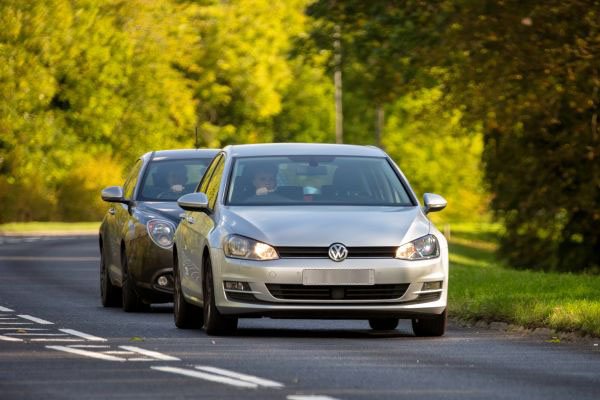
Tailgating occurs when a driver follows another vehicle far too closely, leaving insufficient space to react if something happens ahead. On Britain’s motorways, it’s a sight that’s sadly all too common. Whether you’re in the inside lane, middle, or overtaking, there’s always that one driver looming large in your rear-view mirror, pressing you to go faster or simply not paying attention to the safe stopping distance.
The Dangers of Tailgating
Tailgating isn’t just a minor irritation—it’s a major safety hazard. At 70 mph, your car travels over 30 metres every second. If the vehicle in front brakes suddenly and you’re tailgating, you’ll find you’ve nowhere near enough time or distance to stop safely. The result? Rear-end collisions, often involving multiple vehicles, injuries, and in the worst cases, fatalities.
It’s Against the Law
Besides being dangerous, tailgating is illegal. The Highway Code is clear: drivers must leave enough space between themselves and the vehicle in front so that they can pull up safely if it suddenly slows down or stops. Police can issue on-the-spot fines for tailgating, and in more serious cases, prosecutions for dangerous driving.
The Psychological Toll
Anyone who has been tailgated knows the impact it has on concentration and confidence. It’s intimidating, stressful, and can make even the most experienced drivers anxious. This anxiety can lead to mistakes, sudden braking, or erratic behaviour—escalating the risk for everyone involved.
Why Do People Tailgate?
Some tailgate out of impatience, believing it will somehow force the driver in front to speed up or move over. Others do it out of distraction, not realising how close they’ve got. There are also those who simply underestimate the necessary stopping distance, especially in poor weather conditions.
Middle Lane Hogs
It is no excuse but some tailgating results from poor lane discipline. If a driver is hogging the middle or outside lane when the inner lanes are free, other drivers drive close to the hog to try to force them to pull over. Others ‘teach the hog a lesson’ by close overtaking and then swooping across all lanes to the inside lane.
Learning to Drive on a Motorway
Since June 2018 Learner drivers have been allowed to drive on a motorway with a qualified driving instructor in a dual-control car. In fact, I was sat in the back when Finbar King became the first learner on a motorway when he ventured onto the M25 with an AA Driving Instructor.
Unfortunately, most learners don’t take advantage of motorway lessons which is a shame as they would learn more about the dangers of lane hogging and tailgating.
Learner drivers on motorways – are you aware of the law
Changing the Culture
It’s time we collectively call out tailgating for what it is: reckless, anti-social, and unnecessary. Motorways are designed for safe, efficient travel, not for intimidation or hazardous antics. The AA continues to campaign for better driver education, increased enforcement, and public awareness around the dangers of tailgating. We encourage everyone to take the 'two-second rule' seriously: pick a marker, like a sign or lamp post, and ensure at least two seconds pass between the vehicle in front passing it and you doing the same. In wet or icy conditions, this distance should be significantly increased.
Let’s Make Motorways Safer
Driving is a shared responsibility, and mutual respect is vital. Next time you find yourself tempted to drive a bit closer to the car ahead, remember: leaving space could save a life—perhaps even your own. Tailgating isn’t just the worst motorway habit; it’s one of the most dangerous. Let’s all do our part to stamp it out for good.