Is learning to drive an automatic right for you?
Choosing whether to learn in a manual or automatic car is an important decision when you start driving. While most learner drivers in the UK still choose manual lessons, automatic driving lessons are becoming more common – particularly as more hybrid and electric vehicles are automatic.
Here’s what you need to know to decide what’s right for you.
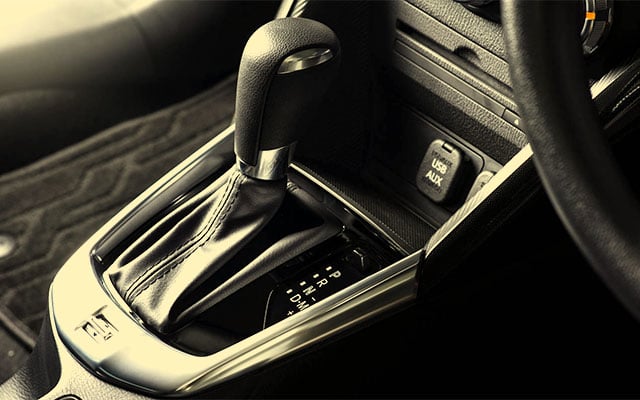
What’s different about driving an automatic car?
The main difference between manual and automatic cars is that automatic cars don’t have a clutch pedal and you don’t need to change gears manually. Instead, the car changes gears for you, which can make driving feel simpler – especially when you’re starting out.
Should you take automatic driving lessons?
In the UK, many learners choose manual lessons because:
- A manual licence allows you to drive both manual and automatic cars
- An automatic licence only allows you to drive automatic vehicles
However, automatic lessons may suit some drivers better depending on their needs and preferences.
Benefits of learning in an automatic
Some learners find automatic cars easier to get used to because:
- There’s no clutch or gear changes to manage, so you can focus more on steering, speed and awareness
- Driving in heavy traffic can feel less demanding, as you don’t need to keep changing gears
- It can feel more straightforward to control the car smoothly, particularly at low speeds
For some people, this can make the learning experience feel more manageable.
Things to consider
There are also a few factors to keep in mind before choosing automatic lessons:
- Licence restrictions – you’ll only be able to drive automatic vehicles unless you later pass a manual test
- Lesson availability and cost – automatic lessons can sometimes be more expensive, depending on your area and instructor availability
- Car choice – while automatic vehicles are becoming more common, manual cars may still offer a wider choice, particularly in the used car market
Buying your first car
When it comes to choosing your first vehicle, your licence type will affect your options.
- A manual licence gives you more flexibility when choosing a car
- An automatic licence means you’ll need to choose an automatic vehicle
Automatic vehicles are becoming more widely available, but availability and pricing can vary depending on the type of car and where you’re looking.
Hybrid, electric and automatic driving
Most hybrid and electric vehicles are automatic.
As more drivers consider these types of vehicles, automatic driving may become more common. Some drivers choose hybrid or electric vehicles to help reduce running costs or lower emissions, depending on how they use their vehicle.
Can you switch from an automatic licence to a manual?
Yes. If you have an automatic licence and want to drive a manual car, you’ll need to pass a manual driving test. You can start learning in a manual car at any time. The usual learner rules apply:
- You must be insured to drive the vehicle
- You must be supervised by a qualified instructor or a driver aged 21 or over who has held a full licence for at least 3 years
- You must display L plates
Once you pass a manual test, you’ll be able to drive both manual and automatic cars. If you don’t pass, you can still continue driving an automatic.
Choosing what works for you
The best option depends on your confidence, preferences and future plans. Some learners prefer the simplicity of an automatic, while others choose manual for greater flexibility later on. Whichever you choose, learning with a qualified instructor can help you build the skills and confidence you need to drive safely.
Final thought
There’s no single right way to learn to drive. Whether you choose manual or automatic, the most important thing is feeling comfortable, in control and ready for the road ahead.