How to check engine oil
Checking your car engine oil is one of the easiest ways to keep your car healthy and drivable. It’s also something many overlook. To find out how to safely check the engine oil, read our step-by-step guide to help look after your car between services and avoid engine problems.
Some cars have electronic oil monitors which show the oil level on your dashboard. But for many cars, you’ll need to get under the bonnet and use the dipstick.
|
What you'll need
Steps to change your car oil |

Step 1 – Park your car and turn off the engine
For the most accurate oil reading, park your car on level ground. Never park on a slope.
The best time to check the oil is before you use the car. Make sure the engine is cold. If you've just driven, wait for 5 to10 minutes before you check the oil level.
Never try to check anything under the bonnet with the engine running.
We provide 24/7 roadside assistance.
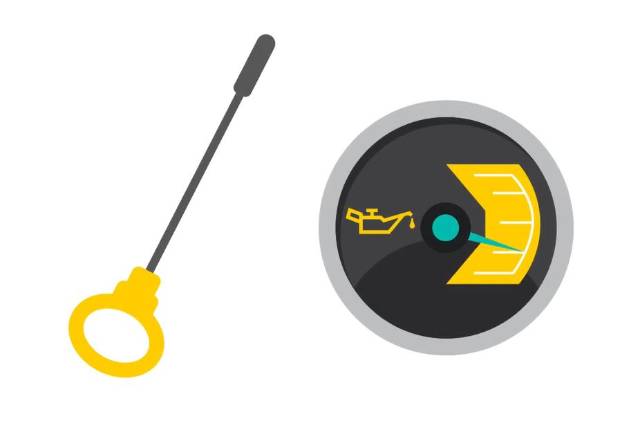
Step 2 – Find the dipstick and wipe it clean
Open the car's bonnet and look for the brightly coloured plastic handle of your dipstick. If you’re not sure where it is, refer to your owner's handbook.
Once you’ve found the dipstick, remove it and wipe it clean with a kitchen towel.
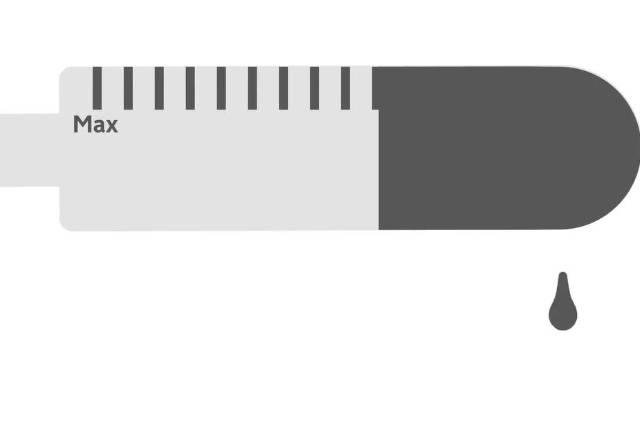
When checking the oil dipstick, you'll see 2 marks notched into the clean dipstick for maximum and minimum oil levels.
Step 3 – Dip your car's dipstick to check the oil level
Replace the clean dipstick and push it all the way back into its tube.
Pull it back out and check where the oil line is in relation to the notches on the end.
- If the top of the oil streak is between the minimum and maximum marks, the level is fine.
- If the level is below halfway between the marks, then we would recommend adding some oil.
- If it's close to or even below the minimum mark, then you need to add some oil.
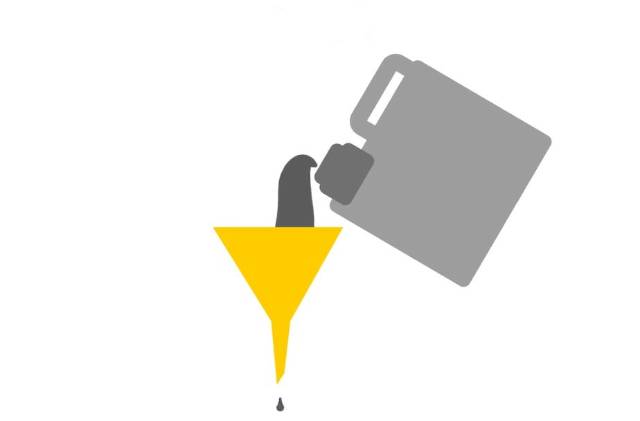
Step 4 – Top up your engine oil
If your oil needs topping up, find the oil filler cap in your engine bay. This should have the word ‘oil’ on it or an outline of an oil can.
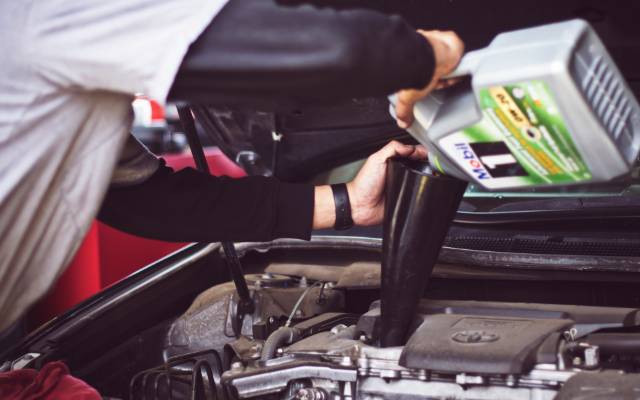
- Remove the oil filler cap and carefully pour your oil in using a funnel.
- The difference between the minimum and maximum notches on a dipstick is about a litre of oil. So, if the level was on or below minimum when you checked it, you’ll need to pour in about 1 litre.
- If you don't know how much you'll need, add a little at a time.
- Wait a couple of minutes to let the oil run down into the bottom of the engine and then recheck the level on the dipstick.
- Putting too much oil into your car is just as bad as having too little. So make sure you don’t overdo it.
How to know what oil your car takes
Checked your oil and found the level’s low? Before you top it up, make sure you know which oil your car needs.
Using the wrong oil can damage your engine, so check your car's handbook. It's important to use oil that meets the right technical specifications (ACEA, API, VW, etc). It also needs to be the right grade (the numbers separated by a 'w', such as 5w30).
If you don't have a handbook, Shell and Mobil have oil matching services on their sites. You’ll either need your registration, or the make, model, year, engine and fuel information for your car.

How often should engine oil be changed in a car?
Checking and topping up your engine oil is one of the most important car maintenance tasks. But it's also one of the simplest to do by yourself.
In your annual car service, the mechanic will drain the old oil, replace the oil filter and re-fill with new oil. But you can check your oil and top it up yourself in minutes.
We recommend that you don't wait until your yearly service. Check your oil yourself every few weeks and especially before long journeys, using our essential car maintenance tips.
It’s also a good idea to make sure your oil is topped up before you book an MOT, as the garage will need to run the engine to check exhaust emission levels and they might refuse to test your car if the oil level is too low.
If you've bought a car and the service history's not clear, it'll be hard to know when the oil was last changed. In that case, it's better to be safe than sorry, so ask your garage to do an oil and filter change.
What happens if you run out of oil?
It’s important not to let your engine oil level get too low.
With low oil pressure, there’s less lubricant for the bearings and other moving parts in your engine. Metal rubs on metal, quickly causing irreversible and expensive damage. This could lead to a breakdown.
If the oil level drops too far, you might see the oil pressure warning light come on when you're cornering.
For peace of mind when on the road, you can get breakdown cover with us.
Find out more about the top 10 causes of breakdowns.
Find out how breakdown cover can help with car problems:
What colour should your engine oil be?
New oil is clean and golden in colour, but quickly turns dark brown or black when it's in use. This darkening is quite normal and is nothing to worry about. It can even look black right after you refill it, when new oil mixes with leftover old oil.
However, if it’s black and the texture is sludgy, it’ll need replacing.
Oil with a milky, creamy or foamy appearance means coolant or water is leaking into the oil. You’ll need to get this checked by a mechanic.
How long does engine oil last?
It depends on the car and how it's driven. Your handbook will tell you the manufacturer's recommended oil change interval.
Most cars are on fixed interval servicing. Often this means the oil’s changed every 9,000 miles or 12 months, whichever comes first.
Some cars are on variable servicing intervals. In this case, the car will tell you when an oil service’s due based on how it's been driven and the condition of the oil. If your car's on variable servicing, then the recommended oil will be specially-made to last longer.
Learn more about doing a car oil check and how to find the right oil for your vehicle's engine.
Updated: 17 June 2024 | Author: The AA