1 April 2026
With around 21 million journeys expected on the roads tomorrow* and fuel costs rising during the ongoing Iranian conflict, drivers are looking for the best ways to get the most out of their tank of fuel.
AA members are already benefitting from using The AA App to locate the cheapest deals as they hit the road, with some in the North East experiencing price differences as much as 19p per litre within a one-mile radius of fuel stations. But all drivers can benefit financially from making some simple adjustments to their driving habits.
Coupled with the seasonal shift in weather from winter to spring, drivers could see improvements of around 10% by making these top five changes to their driving style across the Easter holidays. For the average driver, that equates to a £10 saving from a £100 tank of diesel.
“With petrol up more than 20p per litre and diesel up 40p per litre, it is well worth drivers adapting their driving style and speed both to save money and enhance safety.”
1. Slow down
The excitement of an action packed weekend can cause some to drive at the speed limit in their eagerness to get events underway. However, by taking your foot off the accelerator and maintaining a steady speed, drivers can still enjoy their long weekend and save some money. Reducing your speed by around 10% improves fuel efficiency as well as keeping up with the flow of traffic.
2. Create more space
One of the main ways to drain your tank and bank balance is through continuous harsh braking. By creating more space and reading the road ahead, drivers can avoid unnecessary braking and stops. Pulling away from rest uses the most fuel, so anticipating traffic lights, roundabouts and changing traffic flow can help drivers maintain smoother progress and improve fuel efficiency, even on shorter journeys. This is particularly prevalent in wet conditions where even more space is required. At the very least, drivers should try and maintain the 2-second gap rule**
3. Check tyre pressures
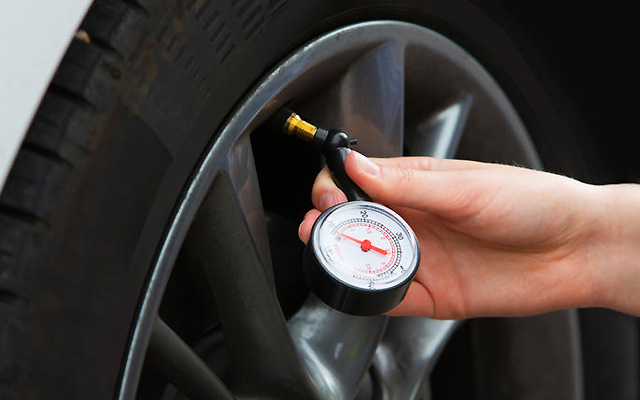
Rather than focus on the petrol pumps, savings can be made by simply pumping up your tyres. The change from winter to spring invariably means tyres lose pressure, so making sure all four tyres and the spare are properly inflated will help keep you away from the forecourt until you really need it.
If drivers have fitted winter tyres to combat the conditions then they should do as out-of-season use increases fuel consumption.
4. Combine trips
Bank holiday weekends tend to be crammed. There’s family to visit, shopping to be done, a trip to the garden centre and tip all need to happen in a short space of time. Rather than make individual trips, linking journeys together can save you time, money and effort.
Lots of individual smaller trips can use up more fuel than single longer journeys due to repetitive stop-start cycle where cars typically use more petrol or diesel.
5. Use aircon wisely
Air conditioning in cars uses fuel from the tank to power the system. While spring brings a mixture of warm and cold temperatures, drivers should consider when to use the air-con compared with opening a window or switching it off completely. Excessive idling should also be avoided, as a typical 1.6-litre petrol or diesel car uses roughly half a litre of fuel per hour while idling with no accessory load, and running the air conditioning can increase that substantially.
Edmund King, AA president, said : “With petrol up more than 20p per litre and diesel up 40p per litre, it is well worth drivers adapting their driving style and speed both to save money and enhance safety. We estimate that diesel drivers can save £10 per tank by changing their driving style.
“We also advise drivers to use the AA App or other apps to beat the post code lottery and find the best fuel prices close to home or on their journeys. Often there are price discrepancies up to 19p per litre within short distances.”