£1.50 comes off a tank of petrol as Middle East conflict enters ninth month

-
Average petrol pump-price drops 2.7p, diesel by only 1.4p
-
Petrol consumption remains robust despite months of price volatility while diesel suffers. But winter could be a different matter
-
EV owners celebrate two good reasons to be the happiest UK drivers
Petrol and diesel latest
Today’s average pump prices: petrol 172.0p a litre, diesel 198.5p a litre
Peaks from a month ago (5 October): petrol 174.7p a litre, diesel 199.9p a litre
Pump-price change: petrol down 2.7p, diesel down 1.4p
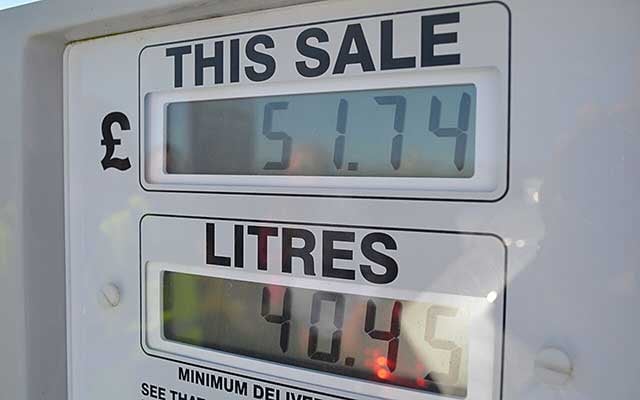
Change to the cost of a tank (55 litres for a petrol car, 80 litres for a van tank): petrol down from £96.09 to £94.60, diesel down from £159.92 to £158.80
Pump prices a year ago: petrol 135.4p a litre, diesel 143.1p a litre
Current / previous records: petrol 191.5p (3 July 2022), diesel 199.1p (1 July 2022)
Top 10 monthly petrol price increases
The persistence of the pump-price shocks since the start of the US-Iran war shows itself in the Top 10 monthly pump-price increases over the past 23 years. Data is drawn from DESNZ Weekly road fuel prices - GOV.UK, which dates back to June 2003 and is the most consistent average pump-price track over the more than two decades, sampling from six companies (four oil companies and two supermarkets) and ‘covers around 60% of the total market volume sold’.
| Rank | Month | Previous month avg. | Month avg. | Increase |
|---|---|---|---|---|
| 1 | June 2022 | 165.84p | 183.82p | +17.99p/litre |
| 2 | April 2026 | 140.20p | 156.86p | +16.66p/litre |
| 3 | March 2022 | 147.57p | 160.23p | +12.67p/litre |
| 4 | August 2026 | 152.19p | 161.42p | +9.23p/litre |
| 5 | March 2026 | 131.60p | 140.20p | +8.61p/litre |
| 6 | September 2026 | 161.42p | 169.50p | +8.09p/litre |
| 7 | November 2021 | 138.63p | 145.78p | +7.14p/litre |
| 8 | July 2022 | 183.82p | 189.42p | +5.60p/litre |
| 9 | January 2011 | 121.99p | 127.40p | +5.41p/litre |
| 10 | October 2026 | 169.50p | 174.91p | +5.41p/litre |
Top 10 monthly diesel price increases
| Rank | Month | Previous month avg. | Month avg. | Increase |
|---|---|---|---|---|
| 1 | April 2026 | 158.67p | 189.98p | +31.31p/litre |
| 2 | March 2022 | 151.68p | 170.49p | +18.81p/litre |
| 3 | March 2026 | 141.11p | 158.67p | +17.56p/litre |
| 4 | August 2026 | 167.59p | 181.99p | +14.40p/litre |
| 5 | June 2022 | 179.71p | 192.29p | +12.59p/litre |
| 6 | September 2026 | 181.99p | 192.55p | +10.56p/litre |
| 7 | November 2021 | 142.24p | 149.62p | +7.39p/litre |
| 8 | June 2008 | 123.39p | 130.53p | +7.14p/litre |
| 9 | October 2026 | 192.55p | 199.63p | +7.08p/litre |
| 10 | September 2023 | 151.07p | 157.39p | +6.32p/litre |
(AI derived data)
Wholesale petrol costs are showing strong signs of a major fall in pump prices, down around 15p a litre since mid October. Diesel remains stuck at levels which were among the worst suffered in the early months of the Ukraine war. However, they have fallen by around 4p a litre since the third week of October. As has been seen on a number of occasions since the start of the US-Iran war on 28 February this year, extreme volatility in the oil and commodity markets can sharply reverse current downward trends.
How have UK motorists reacted?
Petrol car owners appear to have largely taken pump-price shocks in their stride. The DESNZ data indicates that, between April and June, petrol consumption barely changed compared to the Q2 volume the year before. Through July, August and September, average daily sales of petrol at a fuel station increased compared to the same period in 2025.
Diesel consumption showed significantly more stress. In Q2 of this year, diesel demand fell 3.4% compared to the same period last year.
DESNZ Average road fuel sales, deliveries and stock levels - GOV.UK indicate that average petrol sales at sampled filling stations increased from 7,249 litres a day in the third quarter of 2025 to 7,327 litres in Q3 of this year*.
Meanwhile, average daily sales of diesel fell from 8,149 litres in July, August and September of 2025 to 7,790 in Q3 of this year – a 4.4% decline.

Impact on electric vehicles
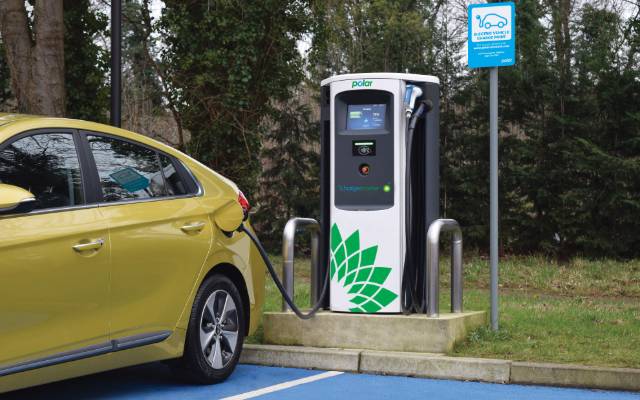
The AA’s EV Readiness Index (AA-UK-EV-Readiness-Index-September-2026 | AA) records that battery electric vehicles accounted for 29.8% of all new cars registered in August. This was the second-highest monthly share of 2026, although August is traditionally a low-volume month.
The BEV market share of new car registrations stood at 28.3%, according to the SMMT (Record electric car market powers bumper September - SMMT).
In August, an EV charged at home operated at 39.5% of the cost-per-mile of an equivalent petrol car because of surging pump prices. Zero VAT on domestic electricity from 1 October 2026 to 31 March 2027 is making the saving even bigger (Temporary zero rate of VAT in Great Britain for domestic electricity - GOV.UK).
| Charge Type | Speed | Sep Ave (p/kWh) | Aug Ave (p/kWh) | Difference (p/kWh) | Cost to add 80% charge | Pence per mile (p/mile) |
|---|---|---|---|---|---|---|
| Domestic | Up to 7kW | 26 | 26 | 0 | £10.40 | 5.88 |
| Standard (Slow) | Up to 8kW | 52 | 52 | 0 | £20.80 | 11.75 |
| Standard Plus (Fast) | 8-49kW | 64 | 64 | 0 | £25.60 | 14.46 |
| Rapid | 50-149kW | 77 | 77 | 0 | £30.80 | 17.40 |
| Ultra-rapid | +150kW | 82 | 82 | 0 | £32.80 | 18.53 |
| PETROL | 170.30 ppl | 161.50 ppl | 8.80 ppl | £54.50 | 14.89 |
(Source: AA EV Recharge Report)
AA comment on fuel prices
“Official measures of fuel consumption and average fuel sales at a fuel station point to UK petrol car owners staying calm and using their vehicles as normal during the summer, despite many of the worst pump-price shocks in more than two decades. Perhaps it was the series of heatwaves that inspired drivers to push the high petrol prices to the back of the mind and head to the beach or the country to find somewhere cooler, or maybe UK drivers have been hit by so many pump price surges in recent years that they have learnt to try to ride out the storm,” says Luke Bosdet, the AA’s fuel expert.
“Inevitably, road travellers will have had to cut back on other spending to balance their budgets and that will have hurt the tourism industry and other summer commercial activity. Now, going into winter, the persistence of the Middle East turmoil and greater fuel demand from thirstier engines may take more of a toll. Shorter days and bad seasonal weather typically reduce fuel efficiency by three miles per gallon. Even with moderately lower road fuel costs, the drain on finances will seem more endless and painful without the distraction of summer.”
Questions & Answers
What are the latest UK petrol and diesel prices?
Petrol is averaging 172.0p a litre, while diesel is averaging 198.5p a litre.
How much have fuel prices fallen in the past month?
Petrol has fallen 2.7p a litre from its 5 October peak of 174.7p, while diesel is down 1.4p from 199.9p a litre.
How much does it currently cost to fill up?
A 55-litre petrol tank costs around £94.60 at the current average price, down from £96.09 a month ago. An 80-litre diesel van tank costs around £158.80, compared with £159.92 at the October peak.
How do current fuel prices compare with a year ago?
They remain substantially higher. A year ago, petrol averaged 135.4p a litre and diesel 143.1p a litre, compared with 172.0p and 198.5p respectively today.
How do recent fuel price rises compare historically?
Some of the biggest monthly increases recorded in more than two decades have occurred during 2026. DESNZ data shows petrol rose 16.66p a litre in April, the second-biggest monthly increase in the series, while diesel jumped 31.31p a litre, the largest monthly diesel increase.
Have high petrol prices caused drivers to use their cars less?
Official data suggests petrol drivers have largely continued using their vehicles as normal. Petrol consumption between April and June barely changed compared with the same period in 2025, while average daily petrol sales at sampled filling stations were higher in the third quarter than a year earlier.
Has diesel demand been affected?
Diesel has shown clearer signs of pressure. Demand fell 3.4% year-on-year in the second quarter, while average daily diesel sales at sampled filling stations fell 4.4% in the third quarter compared with the same period in 2025.
Are electric cars now cheaper to run than petrol cars?
For drivers able to charge at home, the cost advantage can be substantial. In August, an EV charged at home operated at 39.5% of the cost per mile of an equivalent petrol car, according to the AA’s EV Recharge Report.
What effect will zero VAT on domestic electricity have on EV drivers?
Zero VAT on domestic electricity from 1 October 2026 to 31 March 2027 increases the saving for EV drivers who charge at home, although the overall cost will still depend on their electricity tariff, vehicle efficiency and charging habits.
Could petrol and diesel prices fall further?
Pump prices have eased from their October peaks, but the outlook remains closely tied to wholesale fuel costs and developments in the Middle East. Continued volatility means drivers may see further changes at the pump as retailers respond to movements in wholesale prices.