Pump prices mean ‘never been a better time’ to go electric as private EV ownership surges

-
Almost 100,000 privately owned EVs added in just three months, accounting for almost two thirds of overall EV growth
-
Drivers charging an EV at home could save around £1,000 over 10,000 miles compared with a medium-sized petrol car
-
Used EVs are becoming more affordable, while high petrol and diesel prices strengthen the case for switching
-
“The potential savings from going electric are becoming increasingly difficult to ignore” – AA president
With soaring pump prices there has never been a better time for drivers to consider switching to an electric car, The AA says, as its analysis of the latest Department for Transport figures reveals almost 100,000 privately owned EVs were added to UK roads in just three months.
Lower running costs for drivers who can charge at home, a narrowing price gap between used electric and petrol cars and high petrol and diesel prices are combining to strengthen the financial case for going electric.
The number of privately owned EVs increased by 99,676 between Q1 and Q2 2026, accounting for almost two thirds (65.2%) of the overall increase in electric cars during the quarter.
England recorded by far the largest increase in private EV ownership, with 85,573 added during the three months.
| Nation | Private EVs added Q1-Q2 2026 | Share of UK private increase |
|---|---|---|
| England | 85,573 | 85.9% |
| Scotland | 7,706 | 7.7% |
| Wales | 4,635 | 4.6% |
| Northern Ireland | 1,649 | 1.7% |
Figures for the four UK nations total 99,563. A further 113 vehicles are recorded in the Government data as “Region or county unknown”, taking the UK increase to 99,676.
The surge in private ownership helped take the total number of electric cars registered to private and company owners to 2,016,968 at the end of June, up from 1,864,014 at the end of March.
Overall, 152,954 electric cars were added during the quarter, an increase of 8.2%.
£1,000 potential saving for drivers charging at home
The increase in private ownership comes as high petrol and diesel prices make the potential savings from switching to an EV increasingly significant.
Petrol is currently around 175p a litre and diesel close to £2, meaning the cost of filling a typical 55-litre tank is approximately £96 for petrol and £110 for diesel.
According to HMRC's latest advisory rates, an electric car charged at home costs approximately 7p per mile in electricity, compared with 17p per mile for a petrol car with an engine between 1,401cc and 2,000cc.
For a driver covering 10,000 miles, that represents a potential saving of around £1,000 on the cost of powering the car compared with the petrol needed to cover the same distance.
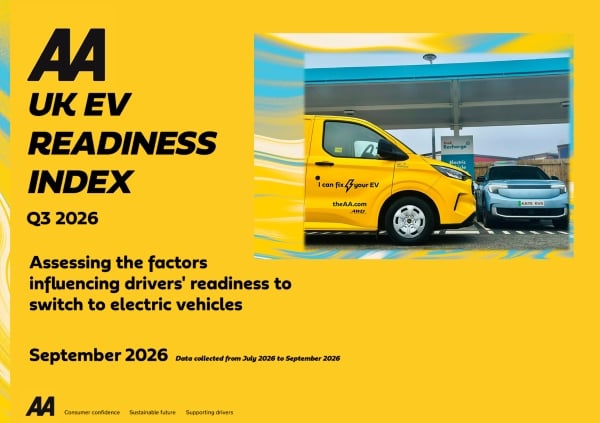
The findings are supported by The AA's latest EV Readiness Index, which found that home charging was 66% cheaper per mile than petrol during the third quarter of 2026.
EV drivers who charge at home are also currently benefiting from the temporary 0% VAT rate on domestic electricity bills, which runs until April 2027.
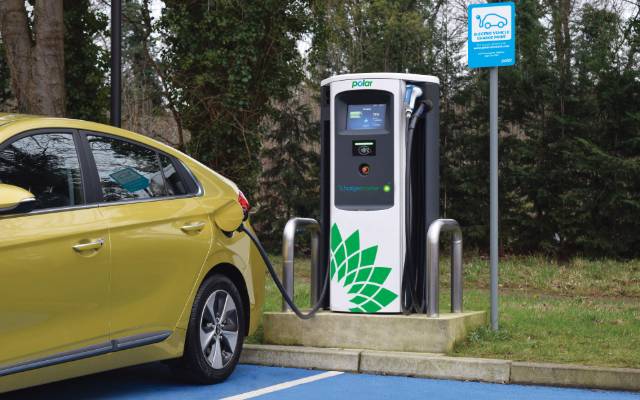
Used EV interest also rising
The cost of buying an electric car is also becoming increasingly competitive.
The AA's latest EV Readiness Index found comparable used electric cars were, on average, just 1% more expensive than their petrol equivalents in Q3 2026, significantly narrowing the purchase-price gap.
More drivers are also looking at used electric cars. Views of used EV listings on AA Cars jumped 49.6% in September compared with the same month last year and were 37% higher than in August.
Electric vehicles accounted for 9.3% of all listing views on AA Cars during September, compared with 4.6% in January.
The average advertised price of an EV viewed on AA Cars in September was £21,490, while the median was £18,830.
The growing affordability of used EVs is also discussed in the first episode of new podcast The Road Ahead with The AA, which looks at the electric vehicle market and what drivers should consider when thinking about making the switch.
Hosted by Jack Cousens, The AA's Head of Roads Policy, the episode features Jamie Muir from AA Cars and Charlie Cook, founder of Rightcharge, discussing the falling cost of used EVs, charging and some of the best electric cars for drivers to consider. The episode is available to watch on YouTube or listen on major podcast platforms.
Edmund King, AA president, said: "Excessive pump prices mean for many drivers, there has never been a better time to consider going electric. Used EVs are becoming more affordable, home charging can deliver significant savings and, with petrol around £96 to fill a typical tank and diesel around £110, the potential savings from going electric are becoming increasingly difficult to ignore.
"For those who can charge at home, the sums can be compelling. Based on HMRC's advisory rates, driving 10,000 miles in an EV charged at home could cost around £1,000 less than buying the petrol needed to cover the same distance in a medium-sized car. Home charging also currently benefits from the temporary 0% VAT rate on domestic electricity until April 2027.
"We're now seeing more private drivers making that choice. Almost 100,000 privately owned EVs were added in just three months, accounting for almost two thirds of the overall increase in electric cars. This isn't simply a company and fleet story.
"The price gap between comparable used electric and petrol cars has also narrowed considerably, giving drivers more choice at a range of budgets.
"Access to affordable charging remains crucial. Drivers who rely heavily on ultra-rapid public charging won't necessarily see the same savings, so we need to make sure the benefits of going electric are available to as many drivers as possible."
Home charging offers biggest savings
While EVs can save drivers money, The AA says it is important to think about where they will charge before making the switch.
The AA's EV Readiness Index found that ultra-rapid public charging was around 15% more expensive per mile than petrol during Q3 2026.
Drivers who can plug in at home, particularly those using cheaper overnight electricity tariffs, stand to make the biggest savings.
How drivers can cut petrol, diesel and EV running costs
Whether driving an electric, petrol or diesel car, The AA says motorists can also take simple steps to cut their running costs. Smooth acceleration, looking ahead at traffic and avoiding unnecessary harsh braking can all help use less fuel or electricity.
Keeping tyres correctly inflated, taking unnecessary weight out of the car and planning journeys before setting off can also help drivers squeeze more miles from every litre or charge.
EV ownership: There were 2,016,968 electric cars registered to private and company owners at the end of Q2 2026, compared with 1,864,014 at the end of Q1, an increase of 152,954 or 8.2%. Private EV ownership increased by 99,676 during the quarter, accounting for 65.2% of the total increase.
Figures for the four UK nations total 99,563. A further 113 vehicles are recorded in the Government data as “Region or county unknown”, taking the UK increase to 99,676.
The figures are based on Department for Transport vehicle licensing statistics for privately owned battery electric cars. DfT/DVLA table VEH0142. The quarter-on-quarter comparison is between Q1 2026 and Q2 2026.
| UK region | Q1 2026 | Q2 2026 | Change | % change |
|---|---|---|---|---|
| East Midlands | 71,183 | 81,542 | +10,359 | 14.6% |
| North East | 30,993 | 35,274 | +4,281 | 13.8% |
| North West | 90,790 | 102,946 | +12,156 | 13.4% |
| West Midlands | 71,807 | 81,442 | +9,635 | 13.4% |
| Yorkshire and The Humber | 66,802 | 75,540 | +8,738 | 13.1% |
| Wales | 35,701 | 40,336 | +4,635 | 13.0% |
| South West | 77,250 | 86,296 | +9,046 | 11.7% |
| East of England | 93,809 | 104,520 | +10,711 | 11.4% |
| Scotland | 70,067 | 77,773 | +7,706 | 11.0% |
| South East | 152,785 | 168,294 | +15,509 | 10.2% |
| Northern Ireland | 16,713 | 18,362 | +1,649 | 9.9% |
| London | 88,457 | 93,595 | +5,138 | 5.8% |
Running cost comparison: Based on HMRC advisory rates. Home EV charging is rated at 7p per mile, compared with 17p per mile for petrol vehicles with engines between 1,401cc and 2,000cc. Over 10,000 miles, the indicative difference is £1,000. The comparison relates to fuel and electricity costs and does not include vehicle purchase, insurance, servicing, depreciation, taxation or charging infrastructure costs.
AA Cars data: September 2026 EV listing views increased 49.6% year-on-year and 37% month-on-month. EVs accounted for 9.3% of total listing views. These are listing views, not unique users or vehicle sales.
Charging costs: Actual savings vary according to vehicle efficiency, electricity tariff, charging location and driving conditions. Drivers relying heavily on ultra-rapid public charging may not achieve the same savings as those charging at home.
Questions and answers
How many privately owned EVs were added in the UK between Q1 and Q2 2026?
The number of privately owned electric cars increased by 99,676 between Q1 and Q2 2026, according to The AA's analysis of Department for Transport vehicle licensing data. Private EVs accounted for 65.2% of the overall increase in electric cars during the quarter.
How many electric cars are there in the UK?
There were 2,016,968 electric cars registered to private and company owners at the end of Q2 2026, up from 1,864,014 at the end of Q1. This represents an increase of 152,954 electric cars, or 8.2%, in three months.
Which part of the UK saw the biggest increase in private EV ownership?
England recorded the largest numerical increase, with 85,573 privately owned electric cars added between Q1 and Q2 2026. Scotland added 7,706, Wales 4,635 and Northern Ireland 1,649. A further 113 vehicles were recorded in the Government data as “Region or county unknown”.
Which UK region had the fastest growth in private EV ownership?
The East Midlands recorded the fastest percentage growth among the regions analysed, with privately owned electric cars increasing by 14.6% between Q1 and Q2 2026, from 71,183 to 81,542.
Is it cheaper to drive an electric car than a petrol car?
For drivers who can charge at home, an electric car can be substantially cheaper to power than a petrol car. HMRC advisory rates put home EV charging at approximately 7p per mile, compared with 17p per mile for a petrol car with an engine between 1,401cc and 2,000cc.
How much could an EV driver save over 10,000 miles?
Based on HMRC advisory rates, driving 10,000 miles in an EV charged at home could cost around £1,000 less than buying the petrol needed to cover the same distance in a medium-sized petrol car. Actual savings will depend on factors including vehicle efficiency, electricity tariff and where the EV is charged.
Does the 0% VAT rate on electricity make home EV charging cheaper?
Yes. EV drivers who charge at home currently benefit from the temporary 0% VAT rate on domestic electricity bills, which runs until April 2027. This contributes to the financial advantage of home charging compared with petrol or diesel.
Are used electric cars becoming cheaper?
The price gap between comparable used electric and petrol cars has narrowed significantly. The AA's EV Readiness Index found comparable used electric cars were, on average, just 1% more expensive than their petrol equivalents in Q3 2026.
Is interest in used electric cars increasing?
Yes. Views of used EV listings on AA Cars increased by 49.6% year-on-year in September 2026 and were 37% higher than in August. Electric vehicles accounted for 9.3% of all listing views on AA Cars during September, compared with 4.6% in January.
Is public EV charging cheaper than petrol?
Not always. The AA's EV Readiness Index found ultra-rapid public charging was around 15% more expensive per mile than petrol during Q3 2026. Drivers who can charge at home, particularly using cheaper overnight electricity tariffs, are best placed to make the biggest savings from driving an EV.
Domestic electricity VAT: The temporary 0% VAT rate on domestic electricity applies until April 2027.
Pump prices mean ‘never been a better time’ to go electric as private EV ownership surges

'Cut 6p off pump prices' AA tells Chancellor
12 October 2026
AA UK EV Readiness Index September 2026
25 September 2026