AA urges drivers to prepare as first snow of winter threatens morning journeys

- Met Office yellow warning for snow on Tuesday (17 November) could bring difficult driving conditions
- Snowfall of up to 15cm possible on higher routes, with frost and ice adding to the risk
- Drivers urged to check screenwash, tyres, lights and batteries before setting off
- “A quick check now could save you from a breakdown or a difficult journey later” – AA expert patrol
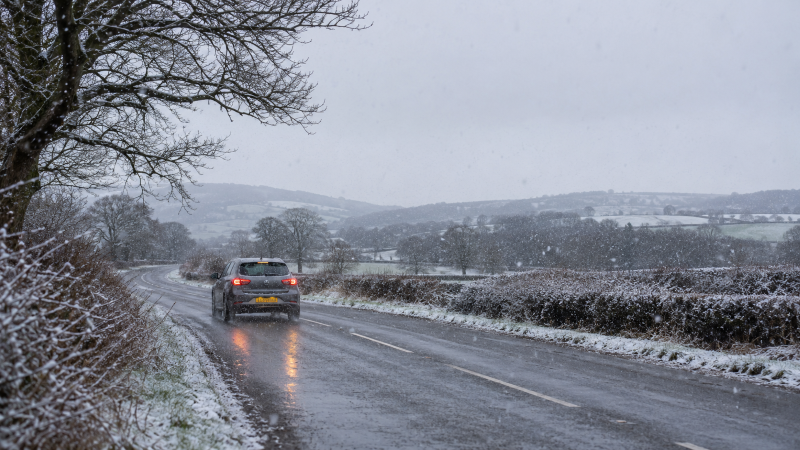
The AA is advising drivers to prepare for the first snowfall of the season, with the Met Office warning that snow could make journeys difficult across parts of Britain on Tuesday morning (17 November).
A yellow weather warning for snow has been issued from midnight until midday on Tuesday, covering parts of the Midlands, northern England and southern Scotland.
Forecasters say a band of rain moving northwards will encounter colder air and turn to snow in some areas, particularly on higher ground. Between 1 and 5cm could accumulate in affected locations, with up to 15cm possible on some higher routes.
Strong winds could also lead to drifting snow, increasing the risk of disruption for drivers travelling through exposed and rural areas.
Although many lower-lying areas are expected to see rain rather than significant snowfall, falling temperatures and wet roads could still create hazardous driving conditions if ice forms.
Vehicle checks before setting off
The AA is urging drivers to carry out a few simple checks before setting off, particularly those making early morning journeys when temperatures are likely to be at their lowest.
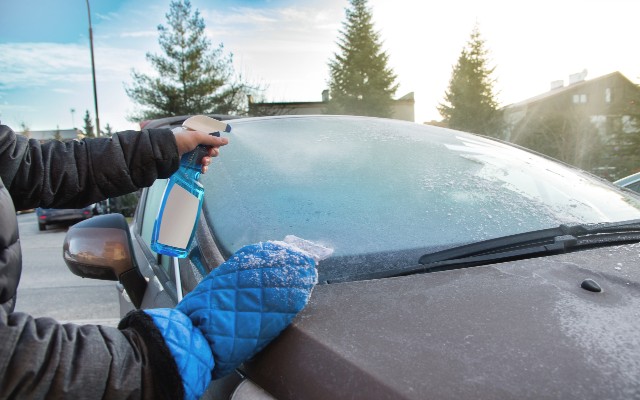
Screenwash should be topped up with a suitable winter-strength solution to prevent freezing, while windscreens, windows, mirrors and lights should be completely cleared of ice or snow before driving.
Drivers should also check their tyre condition and pressures, make sure all lights are working and be aware that cold weather can expose weaknesses in vehicle batteries.
Those planning to travel through affected areas should check for disruption and road closures using AA Routeplanner before setting off, allowing extra time for their journey and considering alternative routes where necessary.
Advice from the AA expert patrol
Lee Morley, AA expert patrol, said: "The first snowfall of the season can catch drivers out, particularly when we've become used to milder conditions. Even if snow doesn't settle where you live, temperatures can still fall low enough for frost and ice to make roads slippery.
"One of the simplest things drivers can do is prepare their vehicle before the cold weather arrives. Check your screenwash is suitable for winter, make sure your tyres are in good condition and allow enough time to completely clear your windscreen before setting off. A quick check now could save you from a breakdown or a difficult journey later.
"If you're heading out in snow or icy conditions, reduce your speed, leave a much bigger gap to the vehicle in front and avoid harsh braking or sudden steering movements. Take particular care on bridges, exposed roads and shaded areas where ice can remain even when other roads appear clear. If conditions are particularly bad, consider whether your journey is essential."
Areas covered by the yellow snow warning
The warning is in place between midnight and midday on Tuesday 17 November and covers the following local authority areas:
East Midlands
- Derbyshire
- Nottinghamshire
North East England
- Darlington
- Durham
- Gateshead
- Newcastle upon Tyne
- Northumberland
North West England
- Blackburn with Darwen
- Cheshire East
- Cumbria
- Greater Manchester
- Lancashire
Scotland
- East Ayrshire
- South Ayrshire
- South Lanarkshire
- Dumfries and Galloway
- Midlothian
- Scottish Borders
West Midlands
- Staffordshire
- Stoke-on-Trent
Yorkshire and Humber
- North Yorkshire
- South Yorkshire
- West Yorkshire
Not all locations within the warning area will experience settling snow, with the greatest accumulations expected on higher ground.
The AA's advice for driving in snow and frost
Before setting off
- Check your screenwash: Use a winter-strength screenwash with adequate antifreeze protection. Water alone can freeze in the reservoir or washer jets, leaving drivers unable to clear dirt and road salt from their windscreens.
- Inspect tyres and lights: Check tyre pressures, tread depth and condition. The legal minimum tread depth for cars is 1.6mm, but The AA recommends at least 3mm. Make sure all lights are clean and working.
- Clear your windows completely: It's a legal requirement to have a clear view of the road ahead before setting off. Remove ice, frost and snow from your windscreen and all windows to ensure you have proper visibility in every direction. Don't be tempted to drive with just a small patch of the windscreen cleared. Make sure mirrors are clear too and remove snow from the roof to prevent it sliding onto the windscreen or affecting other road users.
- Check your battery: Cold temperatures put additional strain on batteries, particularly older ones. If your car has been struggling to start, get the battery checked before colder weather arrives.
- Pack winter essentials: Carry warm clothing, a blanket, torch, ice scraper, de-icer, phone charger and some food and water in case you become delayed or stranded.
When driving
- Slow down and increase your distance: Stopping distances can be up to ten times longer on snow and ice than on dry roads. Leave plenty of space and allow extra time to react.
- Drive smoothly: Avoid sudden acceleration, braking or steering. Use gentle inputs to reduce the risk of losing traction.
- Watch for hidden ice: Bridges, untreated roads, shaded areas and rural routes can remain icy even when main roads appear clear.
- Plan ahead: Check weather warnings and road conditions before travelling. Use AA Routeplanner to check for traffic disruption and road closures, allow extra time and consider postponing non-essential journeys if conditions deteriorate.
Drivers can find further information and practical guidance in The AA's winter driving advice, including how to prepare their vehicle and stay safe when travelling in snow and ice.
How to drive in Snow and Ice safely
Driving in the snow can be tricky. Read our tips on staying safe on snowy and icy roads.
Winter checklist
Find out how to de-ice your car quickly on a cold morning