Car finance vs personal loans
Understand the options for financing a new car
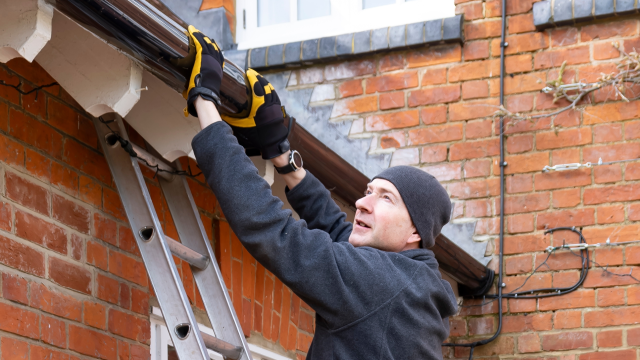
Thinking about updating your home? Whether it’s fixing a leaky roof, refreshing a room, or undertaking a larger renovation, costs can quickly add up. A home improvement loan is one way to spread the expense over time.
A home improvement loan is a type of loan that allows you to borrow money for renovations or upgrades to your home. It’s sometimes referred to as a home renovation loan, but it works like a standard unsecured personal loan.
You receive a lump sum upfront to cover costs such as materials, labour or décor, and repay it in fixed monthly instalments over an agreed term. This could help make budgeting easier, as your repayments remain the same throughout the loan period.
There are two main types of home improvement loans to consider. The right option for you will usually depend on how much you want to borrow, your personal circumstances and how you prefer to manage repayments.
Most home improvement loans are unsecured, meaning you don’t need to put up an asset, such as your home or car, as collateral. Instead, lenders consider factors such as your credit history, income, and overall affordability, rather than the amount of equity you have in your property.
Because there’s no security involved, these loans are often quicker to apply for and easier to set up. They’re commonly used for smaller to medium-sized projects, such as updating a kitchen, refreshing a bathroom or redecorating a room.
Secured home improvement loans work a little differently. With this type of borrowing, you use an asset, usually your home, as security against the loan.
This could make it possible to borrow larger amounts or access lower interest rates, as the lender’s risk is reduced. However, it’s important to keep in mind that your property could be at risk if you’re unable to keep up with repayments. For that reason, secured loans are often better suited to larger renovation projects and longer-term plans.
While every lender works a little differently, home renovation loans tend to follow a similar process. Let’s take a look at the typical steps you can expect.
The first step is to apply, so the lender can check what you can afford. How much you’re offered depends on your circumstances and the lender’s criteria. Most home improvement loans are unsecured, which means you won’t need to use your home or car as security.
The lender reviews your credit history and finances. If approved, the money is paid into your bank account as a lump sum.
You repay the loan in fixed monthly instalments over an agreed term. Most loans have a fixed interest rate, so your repayments stay the same throughout, making budgeting easier. The APR reflects the overall cost of the loan, including interest and standard fees.
The total amount you repay depends primarily on your credit score, the amount you borrow, and the repayment period. A longer term can reduce monthly payments but usually increases the total interest paid, while a shorter term does the opposite.
At first glance, a home improvement loan might seem just like a regular personal loan. Both give you a lump sum of money that you repay in fixed instalments. The main difference? What you’re borrowing it for and how lenders look at it.
Personal loans are flexible and can be used for a wide range of purposes, from consolidating debt to purchasing a car.
Home improvement loans, on the other hand, are specifically intended for renovating, repairing or upgrading your home. This means lenders may offer slightly higher borrowing limits or longer repayment terms to suit home projects, and sometimes the interest rates or fees differ because the loan is tied to property improvements.
All home improvement loans are personal loans, but not all personal loans are intended for home improvement. Choosing the right type helps ensure the loan fits both your project and your budget.
Home improvement loans can help with a wide range of projects, from essential repairs to larger renovations. Common ways people use them include:
Some renovations could make a bigger difference to your home's value than others. There are some improvements that may be viewed as adding more value than others, such as:

Home improvement loans could be a convenient way to fund renovations, but like any borrowing, they come with both benefits and potential drawbacks.
Deciding whether to save up or take out a personal loan for home renovations depends on your priorities and circumstances.
When deciding whether to save or take out a loan for your home improvement, it helps to think about a few key factors:
Considering these points can make it easier to choose the option that best fits your situation. Ultimately, if the work is urgent or delaying would be costly, a loan may make sense. If it’s non-urgent and you can wait, saving could be the cheaper, lower-risk option.
If you’re thinking about applying for a home improvement loan, here’s a straightforward step-by-step guide to help you through the process:
1. Estimate renovation costs
Determine the total cost of your project, including materials, labour, and any unexpected extras.
2. Check your eligibility and credit score
Lenders will assess your credit history, income, and ability to afford the loan. Knowing your score in advance helps you understand your options more clearly.
3. Compare lenders and APRs
Review interest rates, fees, and repayment terms to determine the loan that best suits your budget and financial needs.
4. Gather necessary documents
This may include ID, proof of income, bank statements, and details of the work you plan to do.
5. Apply and receive a decision
Submit your application and wait for the lender's approval, which could sometimes be quick for unsecured loans.
6. Receive funds and start renovations
Once approved, the money is typically transferred to your account as a lump sum, allowing you to pay contractors or suppliers.
Tip: Reducing existing debt or ensuring you can comfortably meet repayments could improve your chances of approval and may help secure a better rate.
Eligibility can vary by lender, but requirements often include:
A home improvement loan isn’t the only way to fund renovations. Other options may include:
Some people use credit cards for smaller projects or short-term costs. Introductory 0% offers could reduce interest for a limited time, though rates may rise once the offer ends.
This involves borrowing against the value of your property. It could offer lower rates but may increase the overall cost and length of your mortgage.
Depending on the type of work and your circumstances, various schemes or grants may be available, particularly for energy efficiency improvements. Availability and eligibility can vary.
We offer loans that could help you fund a home renovation. You can apply for a home improvement personal loan with The AA and NatWest Boxed if you:
Interested in learning about what AA could offer? Find out more about our personal loans, and explore our finance guides.
It depends on your circumstances. Unsecured personal loans could be convenient for smaller projects and don’t require collateral, while secured loans (like a home equity loan) could offer larger sums or lower rates if you have sufficient equity. The best option balances loan amount, interest rates and repayment flexibility with your budget.
Start by estimating your project costs, checking your credit score, and comparing lenders. Gather the necessary documents, such as ID, proof of income, and project details, and then apply for a personal or home improvement loan. Once approved, the funds are typically paid as a lump sum, allowing you to begin your renovations.
A home equity loan uses your property as security and can provide larger amounts at lower interest rates, but your home is at risk if you default. A home improvement loan (often a personal loan) is usually unsecured, meaning no collateral is required, but borrowing limits may be lower and rates slightly higher.
Loan amounts vary by lender and your personal circumstances. They can range from a few thousand pounds for minor updates to tens of thousands for major renovations. Lenders typically assess affordability, income, and credit history rather than home equity (for unsecured loans).
If you can afford to save, using your own funds can help avoid interest costs. If the project is urgent or high-value, a personal or home improvement loan can provide quick funding. Consider the project's urgency, your finances, and the potential return on investment when making a decision.
Yes, you can, but lenders may be stricter because the property isn’t your own. Additionally, make sure you have permission from the landlord before making any structural changes.
It can be more challenging, but some lenders specialise in higher-risk borrowers. Expect higher interest rates or smaller loan amounts. Improving your credit score and reducing existing debt before applying can increase your chances.
Common options include:
Generally, personal home improvements aren’t tax-deductible. Exceptions include energy-efficient upgrades in some regions or renovations made for a rental property, which may be offset against rental income. Check local regulations or consult a tax professional.