Sleepless nights and dehydration could raise road rage risk as heatwave continues
-
Red and Amber weather warnings for extreme heat in place until Thursday
-
The AA warns hot nights could leave drivers tired, irritable and less focused behind the wheel
-
Dehydration can make fatigue, poor concentration and slower reactions worse
-
“Hot weather, heavy traffic and tired drivers are not a good mix” – AA president
The AA is warning drivers that hot, uncomfortable nights and dehydration could lead to tired commutes, lapses in concentration and shorter tempers on the road as extreme heat continues through the working week.
The Met Office has issued a Red weather warning for extreme heat in parts of the UK, with other areas under an Amber warning until Thursday 25 June. Hot and humid conditions are expected to continue through the middle of the week.
Temperatures are widely expected to exceed 30°C, with the hottest areas potentially peaking around 38-40°C within the Red warning area.
Poor sleep, dehydration and hot commutes
With overnight temperatures remaining uncomfortable for many, The AA is urging commuters, work drivers and school-run motorists to take extra care if they have slept badly, feel irritable or are facing delays in heavy traffic in the heat.
High temperatures can make it harder to sleep, leaving drivers tired before they even get behind the wheel. Tiredness can slow reactions, reduce concentration and make everyday frustrations, such as congestion, delays or other drivers’ behaviour, harder to manage.
DriveTech, the driver training arm of The AA, cites research published in Physiology & Behavior showing that dehydrated drivers can make as many mistakes on the road as drivers under the influence of drugs or alcohol.
It warns dehydration can also cause fatigue, loss of focus, impaired short-term memory, reduced concentration and slower reaction times.
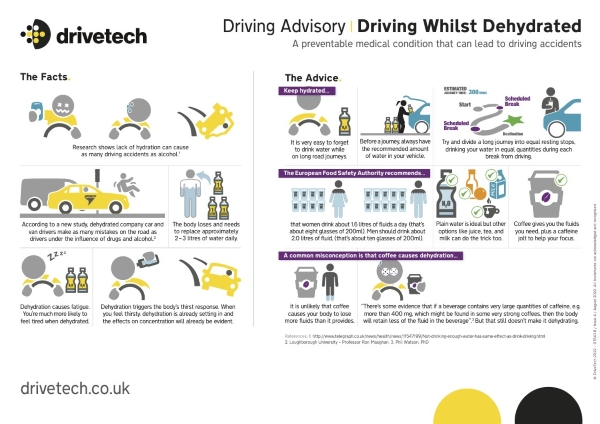
The AA is advising drivers to build in extra time, avoid rushing and keep their cool if they are caught in traffic. Drivers should keep water in the vehicle and drink regularly, rather than waiting until they feel thirsty.
Drivers who feel too tired should not start a journey until they are safe to do so, and anyone who becomes drowsy behind the wheel should stop somewhere safe and take a proper break.
Road rage risk in hot weather
The AA warns that heat, poor sleep, dehydration, congestion and time pressure can be a bad combination for driver behaviour. Frustration can show itself through tailgating, harsh braking, speeding, aggressive overtaking or reacting to other road users.
Drivers are being urged to leave more time for journeys, check traffic before setting off and avoid engaging with aggressive behaviour from others. Keeping a safe distance, staying hydrated and taking a break when needed can all help reduce stress behind the wheel.
Edmund King, AA president, said: “Hot weather, heavy traffic and tired drivers are not a good mix. If people have struggled to sleep in the heat, they may be less patient, less focused and more likely to make mistakes on the morning commute.
“DriveTech, the driver training arm of The AA, has highlighted how dehydration can seriously affect driver performance in a similar way to drink or drugs. In this heat, keeping water in the car is not just about comfort, it is about safety.
“Road rage can escalate quickly, especially when people are uncomfortable and rushing. Stay calm, avoid reacting to other drivers, keep a safe distance and remember that everyone else is dealing with the same heat.
“If you feel too tired to drive, delay your journey if you can. If you start to feel drowsy behind the wheel, stop somewhere safe and take a proper break.”

Seven summer driving myths
9 August 2017

Summer driving advice
18 April 2018

Can you get sunburn through a car window?
27 April 2016