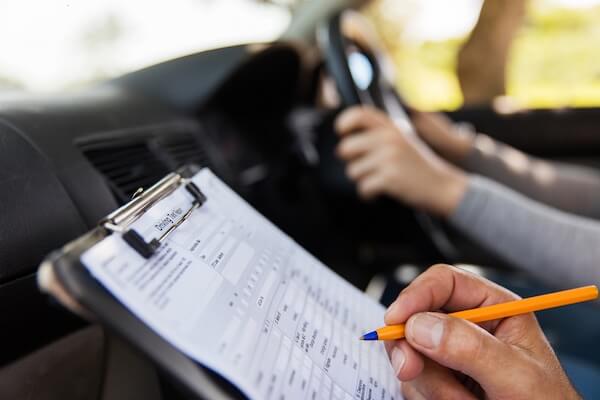
Driving test availability remains at 20 weeks despite signs of improvement

-
Driving test availability remains at 20 weeks across Great Britain, down just 0.2 weeks since July
-
AA Driving School analysis shows 146 test centres recorded a 24-week availability measure in August, down from 153 in July
-
Almost three in 10 tests taken in August were more than 21 weeks after they were booked
-
“There are encouraging signs that the driving test backlog is beginning to ease, and it is particularly welcome that record numbers of tests are being delivered." - MD AA Driving School
Learner drivers continue to face lengthy waits for practical driving tests despite signs that the backlog is beginning to ease, new DVSA figures show.
Data published today (9 September) shows the Great Britain measure for the number of weeks until at least 10% of weekly driving test appointments are available stood at 20 weeks in August, a marginal improvement from 20.2 weeks in July.
Analysis by AA Driving School of individual test centre data found 146 of 317 centres – 46% – recorded a 24-week appointment availability measure in August, down from 153 centres in July.
The median time between booking and taking a test across Great Britain remained unchanged at 11.1 weeks, while 29.8% of tests taken in August took place more than 21 weeks after they were booked.
There are signs of improvement compared with last year in some areas. In the South East, the median time between booking and taking a test fell from 13 weeks in August 2025 to 11 weeks in August 2026. However, it increased from 10 weeks in July.
DVSA also said more than 2.13 million practical driving tests were carried out in the 12 months to August 2026 – the highest rolling 12-month figure on record.
Emma Bush, Managing Director of AA Driving School, said: “There are encouraging signs that the driving test backlog is beginning to ease, and it is particularly welcome that record numbers of tests are being delivered.
“However, for pupils facing long waits in their area, progress will still feel slow and uneven. Being able to drive can open up employment, education and other opportunities, particularly where public transport options are limited, so lengthy waits can have an impact well beyond simply getting a driving licence.
“We welcome the work being done to improve access to tests and increase capacity, and learners now need to see sustained improvements wherever they live.”
* Driver and Vehicle Standards Agency (DVSA), Driving test and theory test data: cars, updated 9 September 2026 with data to the end of August 2026. Figures relating to individual test centres are based on AA Driving School analysis of DVSA table DRT122F.