Automatic driving tests hit record high as EV transition reshapes learner market

-
Automatic tests accounted for 29.4% of all car driving tests in 2025/26, up from around 4% in 2007/08
-
Automatic practical test pass rates reached 44.6% in 2025/26, compared with 37.5% in 2007/08
-
Across AA Driving School and BSM, around one in four instructors now teach in automatic vehicles
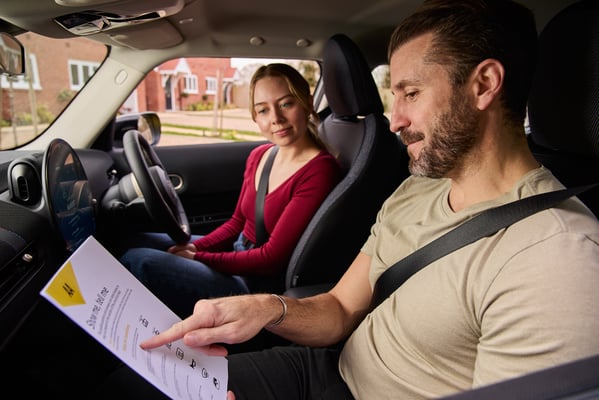
Automatic car driving tests reached their highest level on record in 2025/26, as the learner driver market continues to shift towards automatic vehicles.
Analysis by AA Driving School of DVSA data* shows automatic tests accounted for 29.4% of all car driving tests conducted in 2025/26, compared with around 4% in 2007/08.
In 2025/26, the automatic test pass rate also reached a new high of 44.6%, compared with 37.5% in 2007/08.
The figures highlight a continuing shift in learner behaviour as more drivers consider whether they need a manual licence in a future where new vehicles are increasingly automatic.
The growing move towards automatic learning comes as the UK prepares for the wider transition to electric vehicles. EVs do not have a conventional manual gearbox, meaning learners who choose to learn in an EV will take an automatic test.
However, under the current licensing system, drivers who pass their test in an automatic vehicle are only licensed to drive automatics. Those who later want to drive a manual car, for example for work, hire cars, family vehicles or when driving abroad, must pass a further practical test in a manual car.
Across AA Driving School and BSM, both owned by The AA, around one in four instructors currently teach in automatic vehicles, while around three quarters teach in manual vehicles.
The trend was discussed at the Fleet Electrification Forum 2026, where AA Driving School experts took part in a fireside chat on the changing learner driver market and the impact of EVs on learners, instructors and fleets.
Mark Born, Head of AA Driving School Academy, said: “Automatic learning has become a mainstream part of the learner market. In 2007/08, automatic tests made up around one in 25 car driving tests; in 2025/26, they accounted for almost three in ten.
“However, manual tuition remains the majority across the instructor base, so the EV transition for driving schools is not simply a move from petrol to electric — it is also part of a wider shift from manual to automatic.
“For learners, this is not just about what car they pass in, but what they are licensed to drive afterwards. EVs may make automatic driving feel like the future, but the current licence system can still make it feel like a trade-off.
“Instructors are a real-world example of the wider fleet challenge. They need vehicles that are affordable to buy, practical to run and easy to charge around a working day.
“The vehicle may become easier to drive, but creating safe drivers still takes experience. As more learners choose automatic and electric vehicles, the focus must remain on building confident, capable drivers — not just getting people through the test.”
The AA’s June 2026 EV Readiness Index found the UK’s EV readiness rating rose from 53.8 in Q1 2026 to 58.8 in Q2 2026, with volatile petrol prices helping shift the conversation from “range anxiety” to “pump anxiety”.