Rising fuel prices push 43% more drivers to consider EVs as a viable option
-
Petrol is now 24p a litre more expensive than a year ago
-
Rising fuel costs prompt more motorists to explore electric alternatives on AA Cars
-
Views of EV listings on AA Cars rose 43% between early March and early April
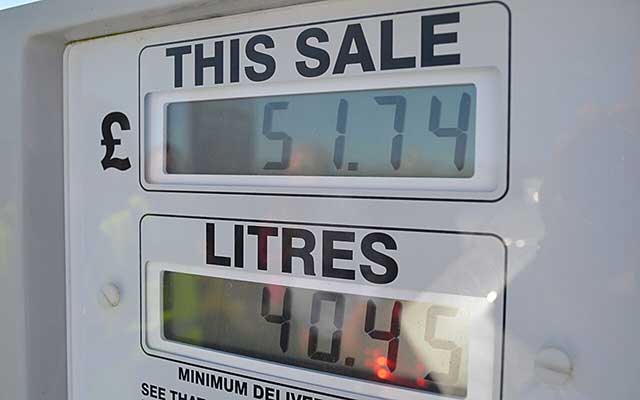
New AA analysis shows petrol is now 24p a litre1 more expensive than a year ago, meaning drivers are paying £13.20 more to fill a typical 55-litre tank. Although the pace of increase has slowed, pump prices remain high and the road fuel market continues to be volatile, leaving many households under continued pressure every time they refuel.
Against that backdrop, more drivers are looking at EV listings on AA Cars – The AA’s used car website. Views rose by more than 43% between the week commencing 2 March and the week commencing 6 April, suggesting more motorists are actively exploring electric cars as a possible alternative to petrol or diesel models. The trend strengthened across the period, with month-on-month growth remaining positive throughout and year-on-year performance improving to a 41% increase by late March.
The figures suggest that rising fuel prices are doing more than simply increasing the cost of running a car. They are also prompting drivers to think harder about their longer-term motoring costs. For many households, the question is no longer just what car they want to drive, but what they can afford to run over time. As petrol prices remain elevated, the appeal of EVs is likely to grow among motorists comparing not only upfront prices, but also the wider cost of ownership.
That does not mean every driver is suddenly ready to switch. Upfront affordability for new cars remains an important factor, and practical considerations such as charging access, range and suitability for different lifestyles continue to shape buying decisions. Similarly, concerns around the long-term life of the driving battery for used EVs continues to make drivers nervous during the buying process.
The AA’s latest UK EV Readiness Index suggests the market is moving in the right direction, with the overall readiness score rising to 53.8 in the first quarter of 2026 as used EV affordability improves, even though the wider market is still in transition rather than at the point of mass adoption. In that context, higher fuel prices can be a powerful nudge, encouraging motorists who may previously have dismissed electric cars to take a second look.
The growing maturity of the used EV market is also likely to be part of the story. Buyers now have a broader range of electric models to choose from, with more vehicles entering the second-hand market and a wider spread of price points becoming available. That is making EVs more relevant to mainstream buyers, especially at a time when many are scrutinising household spending more closely and looking for ways to reduce regular outgoings.
In that environment, EVs are increasingly being judged less as a niche or aspirational choice and more as a practical motoring option. Rising pump prices may not be the only factor driving that change, but they are clearly sharpening attention on whether going electric could make financial sense.
Edmund King, AA President, said: “When fuel prices spike, drivers quickly start questioning the true cost of motoring — and whether there’s a better-value alternative.
“That’s where electric vehicles come into sharper focus. As petrol and diesel costs climb, more motorists are attracted to the lower day-to-day running costs of an EV.
“The latest AA Cars data shows this shift is already happening.
“As people do the maths, EVs are moving firmly into the mainstream conversation. They won’t suit everyone yet — but for many, rising fuel costs are the tipping point that makes switching a serious option.”
1 Petrol is currently around 24p a litre higher than a year ago while diesel at the pump costs on average 50p a litre more (15 April 2026: petrol 159.0p a litre, diesel 192.3p versus 14 April 2025: petrol 135.3p a litre, diesel 142.0p).