Amber extreme heat warning: AA warns of melting roads and summer pothole peril

-
AA warns extreme heat can soften road surfaces and accelerate damage as drivers head out on summer journeys
-
Drivers urged to check tyres, coolant and screenwash and carry water before setting off
-
AA sees 20% rise in cooling-system breakdowns during recent heatwaves
-
Motorcyclists and cyclists warned to take particular care on damaged or softened roads
Drivers need to be alert to the prospect of softening road surfaces and a growing summer pothole peril as extreme heat puts UKs already battered roads under further strain, warns the AA.
With an amber extreme heat warning issued by the Met Office and temperatures climbing into the 30s, the AA says road-surface temperatures can become significantly hotter than the surrounding air. Dark asphalt absorbs and retains heat, meaning surface temperatures can approach 50C or more when air temperatures are around 30C.
At these temperatures, the bitumen binding some asphalt surfaces can soften, leaving vulnerable roads susceptible to becoming sticky, deformed or rutted under the weight of traffic.
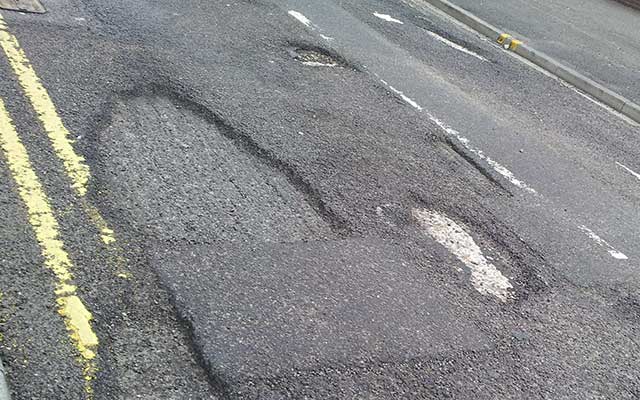
The heat comes on top of Britain's existing pothole problem. The AA received almost 40,000 pothole-related breakdown calls last month, with potholes capable of causing punctures, damaged wheels and steering and suspension faults.
Edmund King, AA president, said: “Drivers might assume that potholes are just a winter problem, but they shouldn't be surprised to see gritters out on some roads during this extreme heat. In prolonged hot weather, some road surfaces can soften, become sticky and, in places, start to rut under heavy traffic.
“Air temperatures in the low-to-mid 30s can translate into much higher road-surface temperatures because dark asphalt absorbs and stores heat. Some roads may begin to soften when surface temperatures get towards 50C, particularly older or more vulnerable surfaces. Some highway authorities use gritter lorries to spread granite dust and crushed stone on roads to help mop up leaking bitumen, stabilise the surface and prevent it from becoming slippery.
“The main risk for drivers isn't that roads suddenly melt everywhere, but that already vulnerable patches can become tacky, uneven or start to deteriorate. That can affect braking, steering and grip and can throw up loose material.
“The UK already has a major pothole problem and extreme weather doesn't help. We tend to associate potholes with winter, when water gets into cracks and freezing conditions cause surfaces to break up, but extreme summer temperatures can also weaken roads through softening, rutting, and cracking. Heavy traffic can then accelerate that deterioration.
“This is more than an inconvenience or a repair bill. Potholes and deteriorating surfaces are a road-safety issue. They are particularly dangerous for people on two wheels, where hitting a pothole or suddenly encountering an uneven or softened surface can have very serious consequences.
“At least in summer drivers generally have better visibility of the road ahead, so our advice is to use it. Slow down on poorer local and rural roads, look well ahead, leave extra space and expect to encounter substandard surfaces. Motorcyclists and cyclists should take particular care.”
Tony Rich, AA head of road safety, said: “Hot weather is great for a day out or summer getaway, but it can be unforgiving if you or your car aren’t prepared. The AA has seen a 20% rise in cooling-system breakdowns during recent heatwaves.
“Many of the problems our patrols see are avoidable. Drivers can set off without checking coolant or tyre pressures, flatten the battery using electrics with the engine off, run out of fuel or charge, or lock their keys in the car.
“At the same time, heat, long journeys, heavy loads, and holiday traffic can put extra strain on cooling systems, batteries and tyres, turning an existing weakness into a breakdown. Pay attention to warning lights and temperature gauges. If your vehicle is overheating, find somewhere safe to stop rather than pushing on.
“Five minutes spent checking your car before setting off could save valuable holiday time at the roadside.”
Avoid the hot-weather breakdown trap
The AA is urging drivers to spend five minutes carrying out a FLOWER check before heading off:
- Fuel: Make sure you have enough fuel or EV charge for the journey, allowing for congestion and diversions.
- Lights: Check all lights are working correctly.
- Oil: Check the engine oil level before leaving.
- Water: Check coolant and windscreen washer fluid. Never remove the coolant cap when the engine is hot.
- Electrics: Don't ignore warning lights and consider having the battery checked if there are concerns about its condition.
- Rubber: Check tyre pressures when cold, adjust them for the vehicle's load where required, and inspect tyres for tread and visible damage.
Drivers should also carry drinking water for everyone in the vehicle, including pets, plan regular breaks on longer journeys and check their route before travelling to avoid unnecessary delays. And before closing the car or boot, make sure you know exactly where the keys are.