
-
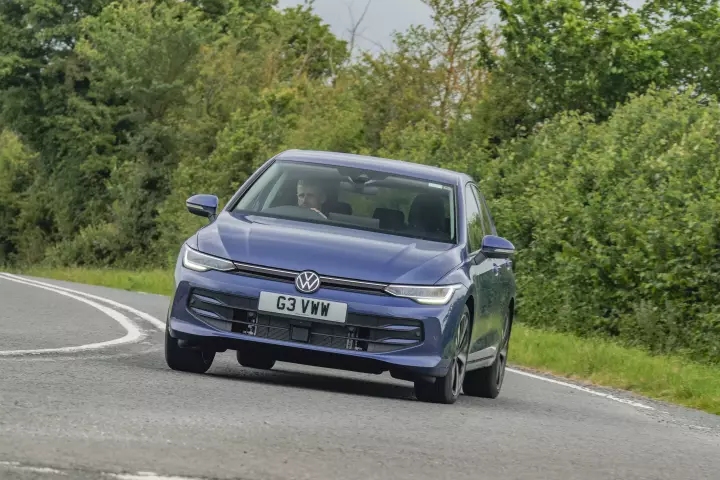
Volkswagen Golf
There is a Volkswagen Golf for everyone. Whether you prefer petrol, hybrid, or diesel, the Golf offers understated design, well-built cabin, modern features, mature ride and handling, along with effortless engine options. There's little to fault with the Golf, and as a car that can do it all, it remains a top pick.
Read full review -
 Read full review
 -
 Read full review
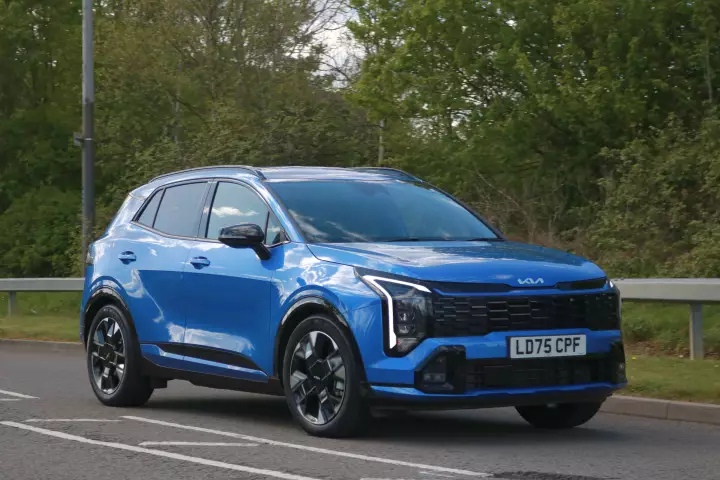
Kia Sportage
-
 Read full review
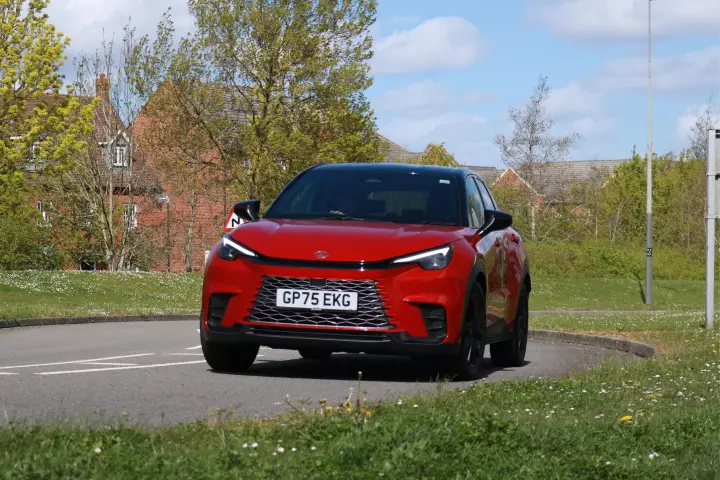
Lexus LBX
-
 Read full review
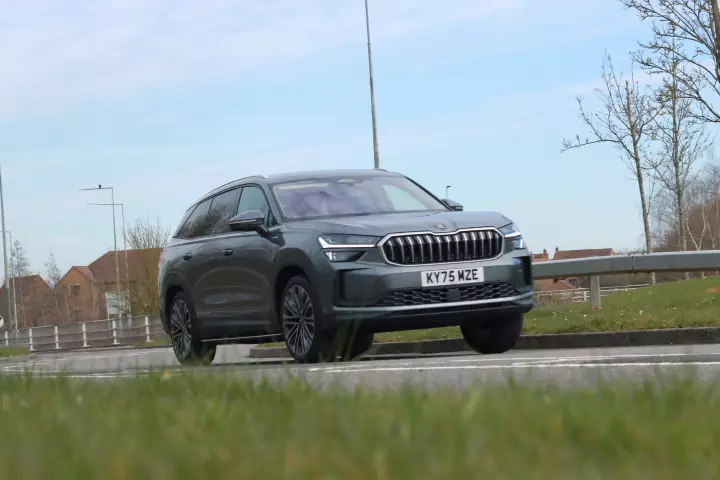
Skoda Kodiaq
Why you can trust The AA car reviews

In depth and unbiased
Our editorial reviews are written by experienced automotive journalists and based on detailed road tests.

Unique rating system
Our reviews are different, combining the two perspectives: AA mechanics reviews and the AA editorial review.

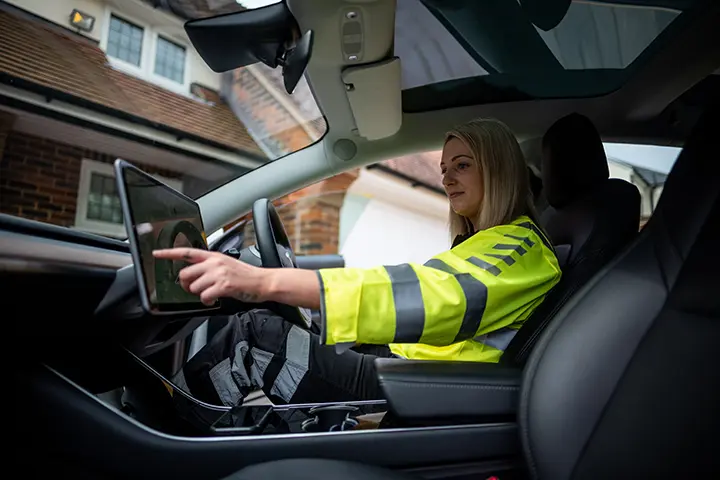
Input from real mechanics
Real roadside patrols, who diagnose, repair, and recover cars, explain what to look out for in a car.
Buying a car can feel overwhelming. Even after you've found a match, questions remain: which engine should you buy, is electric right for you, and which trim offers the best value? Our car reviews answer these clearly and honestly, so you can enjoy the journey to your next car.
How we test cars at AA CarsBrowse all car reviews
-
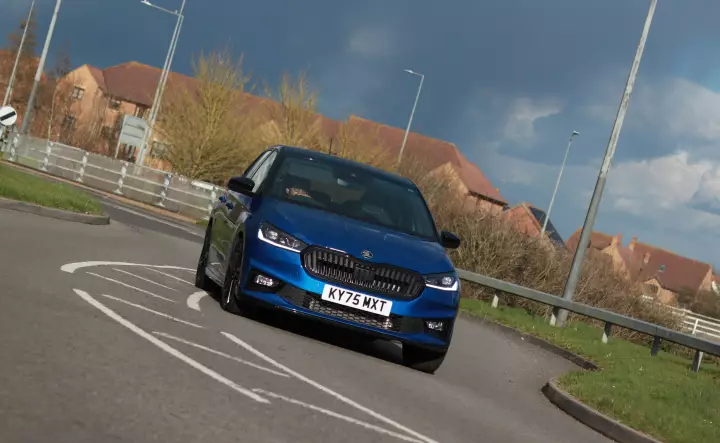
Skoda Fabia 130
It’s 2026 and hot hatches are starting to disappear. Skoda’s Fabia vRS is one such example. But Skoda hasn’t yet given up. The Czech brand has tweaked its accomplished supermini, giving it more power and character to create the Fabia 130 – a 175hp warm hatch that sits between the standard Fabia and the Fabia vRS. We drove one to see whether this warm hatch should be on your shopping list.
-
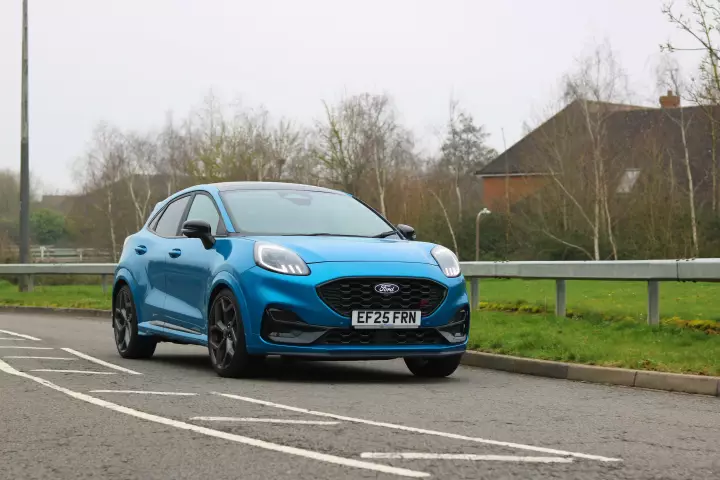
Ford Puma ST
The Ford Puma ST made a strong impression in 2020, as it justified the ST badge with a rorty 200hp 1.5 EcoBoost engine and 6-speed manual. Fast forward to 2024, Ford dropped these and replaced them with a 168hp 1.0 EcoBoost and a 7-speed automatic. With the Fiesta and Focus ST long gone, the Puma ST remains the only model from Ford’s affordable performance outlet. So, we drove the 2026 Puma ST to see if it’s still a driver’s delight.
-
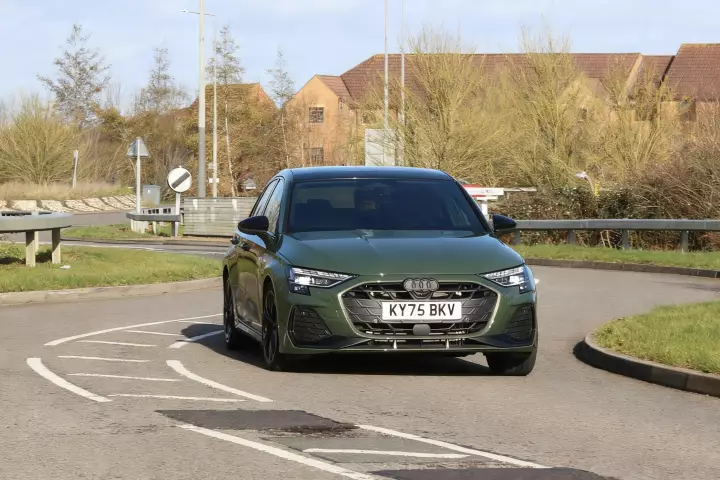
Audi A3
Back in 1996, Audi kickstarted a new premium hatchback segment with the A3. It’s been 30 years since and the little A3 continues to be a popular choice for buyers looking for a hatchback with a premium image and interiors. In its latest fourth generation shape, the A3 packs sharp styling, plenty of tech, and a range of engine options. The question is, is it still the upmarket hatchback to buy in 2026? We’ve road tested the A3 TFSI e PHEV (Plug-in Hybrid Electric) to find out.
-
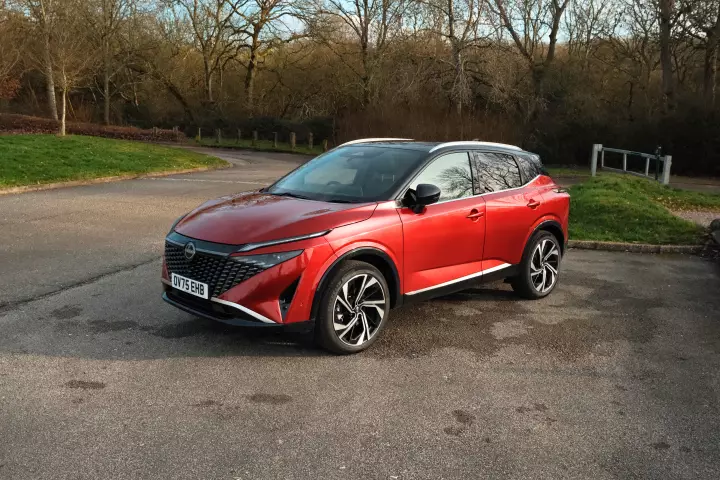
Nissan Qashqai
Shopping for a compact family SUV that is easy to live with? Chances are, the Nissan Qashqai might already be on your list. After all, it is one of the best-selling cars in the UK. The Qashqai warmed us up to the idea of a compact SUV/crossover body style that offered more practicality than hatchbacks. Designed by Nissan’s studio in London, engineered by the brand’s technical centre in Cranfield and built at its Sunderland plant, the Qashqai remains a household name and often, the safe choice for many.
-
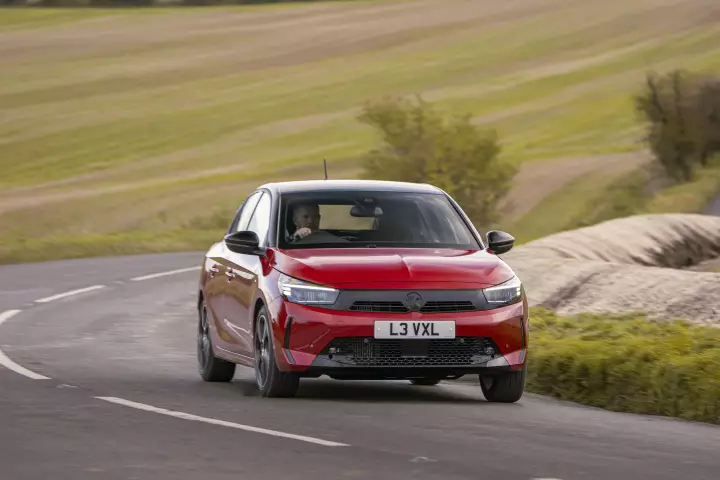
Vauxhall Corsa
Over the years, the Vauxhall Corsa has been a solid choice for those after a first car or a simple city run around. A great all-rounder, the Corsa offers immense value with a good list of features. Although it lacks the premium feel and driving experience of some rivals, it continues to be an easy car to drive, and it certainly does this all without hurting your wallet.
-
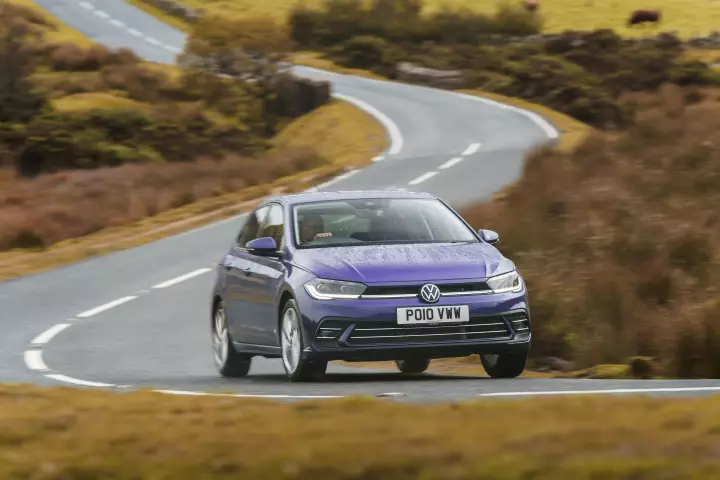
Volkswagen Polo
Volkswagen’s Polo is something of a household name here in the UK. Bringing with it all of the solid quality that you’d expect from the brand, this surprisingly spacious hatchback has proven to be a hit with a broad range of drivers, from first-time motorists getting their first taste of life behind the wheel to busy families in need of a reliable yet frugal run-around. For those after a hatchback which feels more upmarket than many alternatives, the Polo could be a very solid choice.
Meet our authors
-

Adithya Gopal
Motoring Journalist/Content Editor
Read bio -

Tony Rich
Public Relations Manager/ Ex- AA patrol of the year
Read bio -

Jack Evans
Motoring Journalist/Contributor
Read bio -

James Hosking
AA Cars Managing Director
Read bio


